

🤖 AI Summary
Overview
This episode explores the challenges of containing a devastating Ebola outbreak in the Democratic Republic of Congo (DRC). Journalist Declan Walsh provides an on-the-ground account of the epidemic's rapid spread, the strained healthcare response, and the social and logistical barriers impeding containment efforts.
Notable Quotes
- We are 12 days into this outbreak. Is this the best we can do?
– Declan Walsh, quoting a frustrated local doctor.
- People are starting to associate the hospital as a place where people go not to have their lives saved, but to die.
– Declan Walsh, on community mistrust of healthcare facilities.
- The worst-case scenario is that this outbreak goes on for several years and the death toll rises to the level of the West Africa outbreak in 2014.
– Declan Walsh, on the potential trajectory of the epidemic.
🦠 The Scale and Spread of the Outbreak
- The outbreak, caused by the rare Bundibugyo strain of Ebola, was undetected for months, allowing the virus to spread unchecked.
- Over 250 deaths have been confirmed, with 1,100 suspected cases, though the true numbers are likely much higher.
- The outbreak began in Mongboalu, a remote gold-mining town, and has spread due to the transient population of miners, traders, and sex workers.
🚑 Strained Healthcare Response
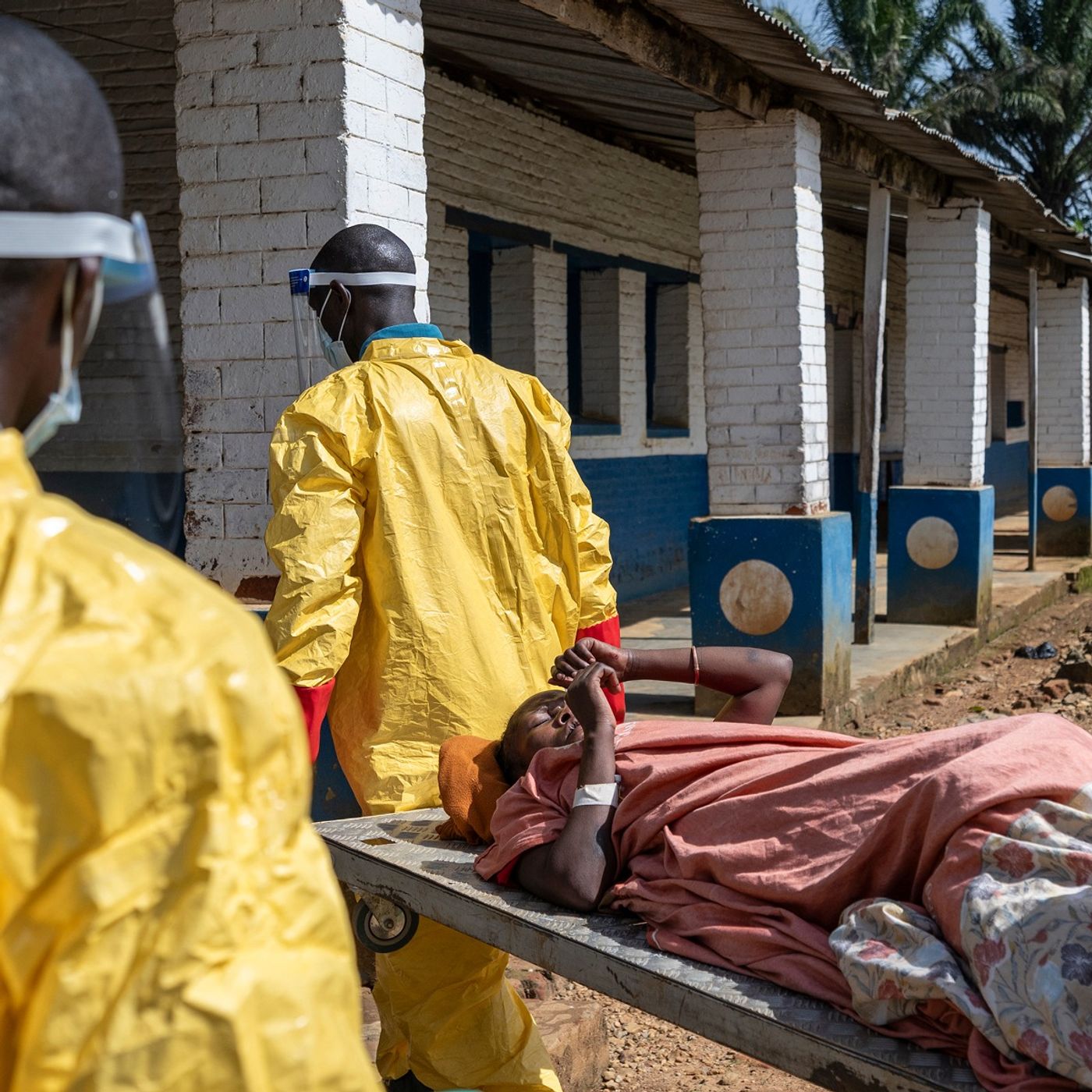
- Hospitals are critically under-resourced, with insufficient protective equipment and untrained staff.
- Infected patients often arrive at hospitals too late, mistaking Ebola symptoms for malaria or typhoid.
- Testing delays exacerbate the crisis, with results taking days to return—often after patients have died.
🤝 Community Mistrust and Resistance
- Many locals deny the existence of Ebola or believe in conspiracy theories, such as aid workers spreading the disease.
- Traditional burial practices, which involve touching the deceased, have become super-spreader events.
- Violent incidents, such as attacks on hospitals and aid workers, highlight the deep mistrust of health authorities.
🌍 The Role of International Aid
- The withdrawal of U.S. aid under the Trump administration weakened local networks that could have detected the outbreak earlier.
- International aid is now arriving, but the response remains slow and fragmented.
- Health officials emphasize the need for both resources and community education to combat the epidemic effectively.
📉 Challenges in Containment
- Contact tracing, a critical tool for stopping transmission, has barely begun due to limited testing and logistical hurdles.
- The outbreak's remote location and the mobility of infected individuals complicate containment efforts.
- Experts warn that without swift action, the outbreak could escalate to levels seen in the 2014 West Africa epidemic.
AI-generated content may not be accurate or complete and should not be relied upon as a sole source of truth.
📋 Episode Description
At the front lines of the Ebola crisis in Central Africa, badly equipped health workers with little outside support are losing the fight against one of the worst outbreaks in history.
Declan Walsh, a New York Times correspondent covering the outbreak, takes us to the epicenter of the virus and explains why, so far, its spread has been so difficult to stop.
Guest: Declan Walsh, the chief Africa correspondent for The New York Times.
Background reading:
- Inside the Ebola epicenter, the virus rages with little to stop it.
- Here’s what to know about the Ebola outbreak.
Photo: Arlette Bashizi for The New York Times
For more information on today’s episode, visit nytimes.com/thedaily. Transcripts of each episode will be made available by the next workday.
Subscribe today at nytimes.com/podcasts or on Apple Podcasts and Spotify. You can also subscribe via your favorite podcast app here https://www.nytimes.com/activate-access/audio?source=podcatcher. For more podcasts and narrated articles, download The New York Times app at nytimes.com/app.
Hosted by Simplecast, an AdsWizz company. See pcm.adswizz.com for information about our collection and use of personal data for advertising.