

🤖 AI Summary
Overview
This episode provides a detailed roadmap for understanding the 2026 midterm election results, exploring polling data, voter behavior, and four potential scenarios for how the night might unfold. Nate Cohn, chief political analyst for The New York Times, breaks down the dynamics shaping the election and the implications of various outcomes.
Notable Quotes
- For the Democrats to have the kind of night the polls say they will, Republican-leaning voters have to decide either to stay home in enormous numbers or decide to vote for Democrats in sufficient numbers in states like Kansas and Texas.
- Nate Cohn, on the unprecedented voter behavior required for a Democratic landslide.
- If you've been on the beach before, you've seen that the waves crash in unpredictable ways, and the wave that you think is going to be the biggest breaks early.
- Nate Cohn, using a metaphor to describe the uncertainty of election outcomes.
- After tomorrow, he can just call me Senator.
- Abdul El-Sayed, Democratic Senate candidate in Michigan, mocking Trump’s mispronunciation of his name.
🗳️ Voter Sentiment and Key Issues
- Voters expressed a mix of emotions about the election, ranging from hope to anxiety, with many emphasizing its importance and high stakes.
- Key issues driving voter decisions included the economy, opposition to Trump, and concerns about preserving American identity.
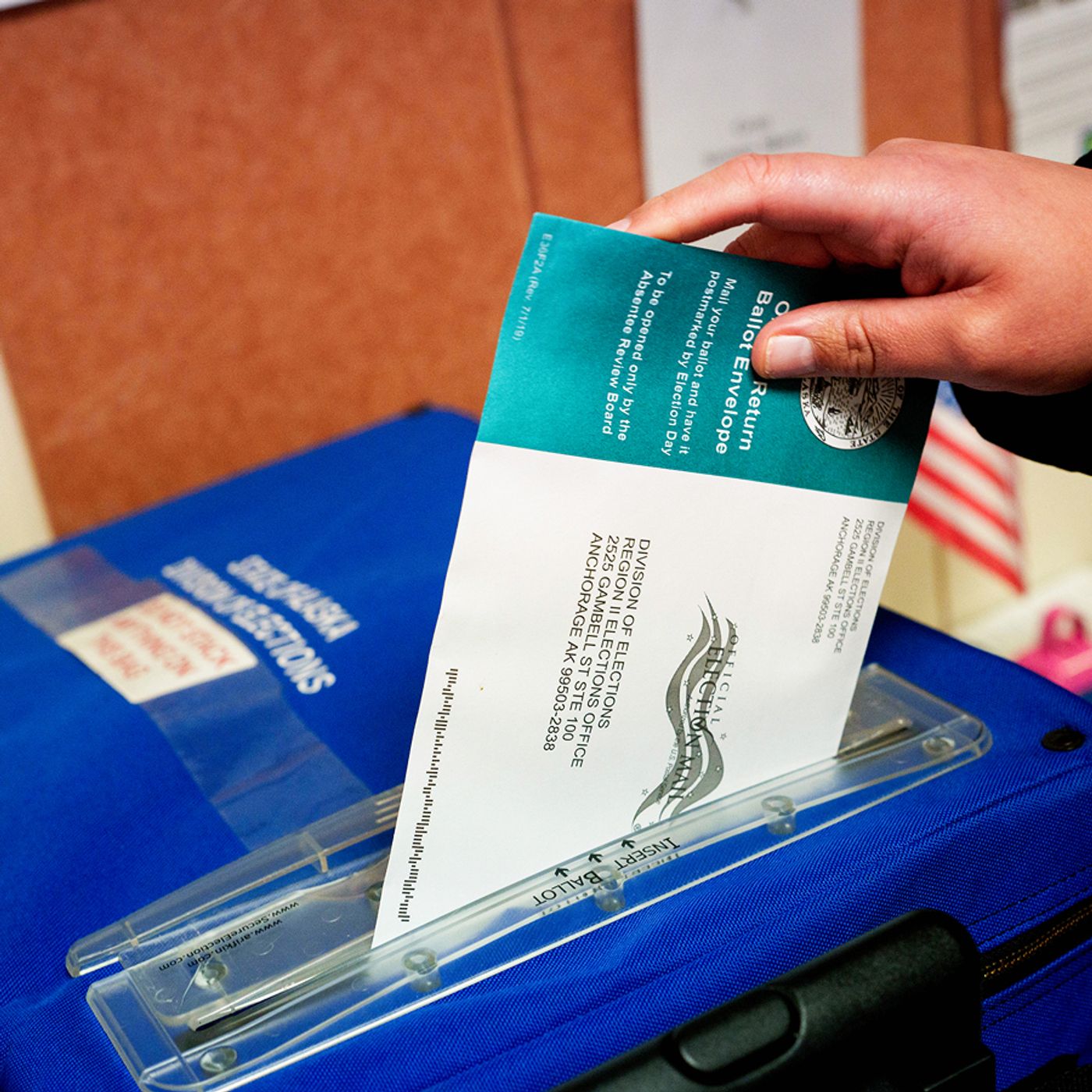
- Early voting surged, with 50 million ballots already cast, signaling heightened engagement compared to previous midterms.
📊 Polling Insights and Scenarios
- Nate Cohn outlined four election night scenarios, ranging from modest Republican victories to a Democratic tsunami.
- Scenario 1: Republicans hold their ground due to gerrymandering and voter loyalty, despite polling suggesting vulnerability.
- Scenario 2: Democrats win the House decisively but fall short in the Senate, with close races in red states.
- Scenario 3: Democrats narrowly flip the Senate, achieving historic wins in traditionally Republican states.
- Scenario 4: A generational Democratic landslide, flipping multiple deep-red states and reshaping the political landscape.
- Polling adjustments have been made to account for Republican underrepresentation, but concerns about polling error persist.
🌊 The Blue Wave and Its Implications
- The concept of a blue wave
was dissected, with Cohn emphasizing its inevitability in the House but uncertainty in the Senate.
- A Democratic tsunami (Scenario 4) would signify a repudiation of Trump’s presidency and potentially mark a turning point in American politics.
- Such an outcome could reshape state governments and signal the waning influence of Trump-era populism.
📈 Early Voting Trends and Election Day Dynamics
- Early voting data suggests strong Democratic turnout, particularly among young and Latino voters in states like Texas.
- Cohn warned of a potential blue mirage,
where early vote counts favor Democrats before Republican election-day turnout shifts results.
- The timing of vote counts in states like Maine and Alaska could delay clarity on Senate control for days or weeks.
AI-generated content may not be accurate or complete and should not be relied upon as a sole source of truth.
📋 Episode Description
After two years of campaigning, the 2026 midterm election is now in the hands of the American voters.
As the ballot counting begins, Nate Cohn, the chief political analyst for The New York Times, offers a guide for how to understand the results.
Guest: Nate Cohn, the chief political analyst for The New York Times.
Background reading:
- Here are four scenarios for how the midterms could go.
- The final polls show a blue surge. Can we trust them?
- Here’s what to know about the fight for Congress.
Photo: Erin Schaff/The New York Times
For more information on today’s episode, visit nytimes.com/thedaily. Transcripts of each episode will be made available by the next workday.
Subscribe today at nytimes.com/podcasts or on Apple Podcasts, Spotify and Amazon Music. You can also subscribe via your favorite podcast app here https://www.nytimes.com/activate-access/audio?source=podcatcher. For more podcasts and narrated articles, download The New York Times app at nytimes.com/app.
Hosted by Simplecast, an AdsWizz company. See pcm.adswizz.com for information about our collection and use of personal data for advertising.