

🤖 AI Summary
Overview
This episode delves into President Trump's proposal for a 50-year mortgage as a solution to housing affordability issues in the U.S. It explores the historical context of the 30-year mortgage, the mechanics and potential impact of a 50-year mortgage, and the broader challenges of addressing housing affordability. The episode also highlights the political and economic critiques of the proposal and discusses alternative solutions to the housing crisis.
Notable Quotes
- You’re basically buying your house twice, but you’re paying the bank for a whole other version of your house.
– Conor Dougherty, on the financial burden of a 50-year mortgage.
- The real solutions to the American housing crisis aren’t flashy. It’s this very unsexy, difficult, slow, brain-breaking work of changing zoning and stimulating local housing markets.
– Michael Barbaro, summarizing the core challenge of housing reform.
- You create people who are rooted in neighborhoods. You create an asset that people can own and pass to their children.
– Conor Dougherty, on the societal benefits of homeownership.
🏠 The Historical Context of the 30-Year Mortgage
- The 30-year fixed-rate mortgage was introduced during the Great Depression under FDR to stabilize the housing market and make homeownership more accessible.
- This system allowed for predictable payments, fostering a high homeownership rate (about two-thirds of Americans).
- The government incentivized banks to offer long-term mortgages by mitigating risks, creating a stable financial framework for housing.
📉 The 50-Year Mortgage Proposal
- President Trump proposed a 50-year mortgage to reduce monthly payments and address housing affordability.
- A $500,000 home, for example, would see monthly payments drop by $300, saving $4,000 annually.
- Critics argue that while monthly payments decrease, total interest paid over 50 years would nearly double, making the home significantly more expensive in the long run.
- The proposal faced backlash from across the political spectrum, with concerns about increased debt, delayed equity, and higher interest rates due to the extended loan term.
💡 Alternative Mortgage Ideas
- The Trump administration floated other ideas, such as:
- Portable mortgages: Allowing homeowners to transfer their mortgage rate to a new property, potentially increasing housing market mobility.
- Assumable mortgages: Enabling buyers to take over the seller’s existing mortgage and interest rate, which could encourage more home sales.
- These ideas aim to address affordability by fiddling with the debt
rather than tackling the root causes of high housing costs.
🏗️ The Root Cause: Housing Supply Shortage
- The U.S. faces a severe housing shortage due to underbuilding since the Great Recession.
- Addressing affordability requires increasing housing supply, but this involves complex, long-term efforts like zoning reform and incentivizing construction.
- States like California and Texas are attempting to ease regulations to encourage development, but these measures face political resistance and take years to show results.
⏳ The Political and Practical Challenges of Housing Reform
- Quick fixes like the 50-year mortgage are politically appealing but fail to address systemic issues.
- Real solutions, such as increasing housing supply, require collaboration between federal, state, and local governments and involve slow, incremental progress.
- The federal government has limited influence over local zoning laws, making it difficult to enact sweeping changes from the top down.
AI-generated content may not be accurate or complete and should not be relied upon as a sole source of truth.
📋 Episode Description
When President Trump proposed the introduction of a 50-year mortgage, he challenged a bedrock of the American housing market and financial system. He also revealed how desperate the administration is to lower prices for consumers.
Conor Dougherty, who covers housing and development, explains what’s attractive about the idea and its potential drawbacks — and why housing affordability is such an intractable problem.
Guest: Conor Dougherty, a reporter for The New York Times covering housing and development for more than a decade.
Background reading:
- The Trump administration is facing backlash from U.S. consumers as higher costs from tariffs blunt wage gains.
- Many Americans bought their first houses during the pandemic, when mortgage rates dipped to record lows. Now, some feel trapped.
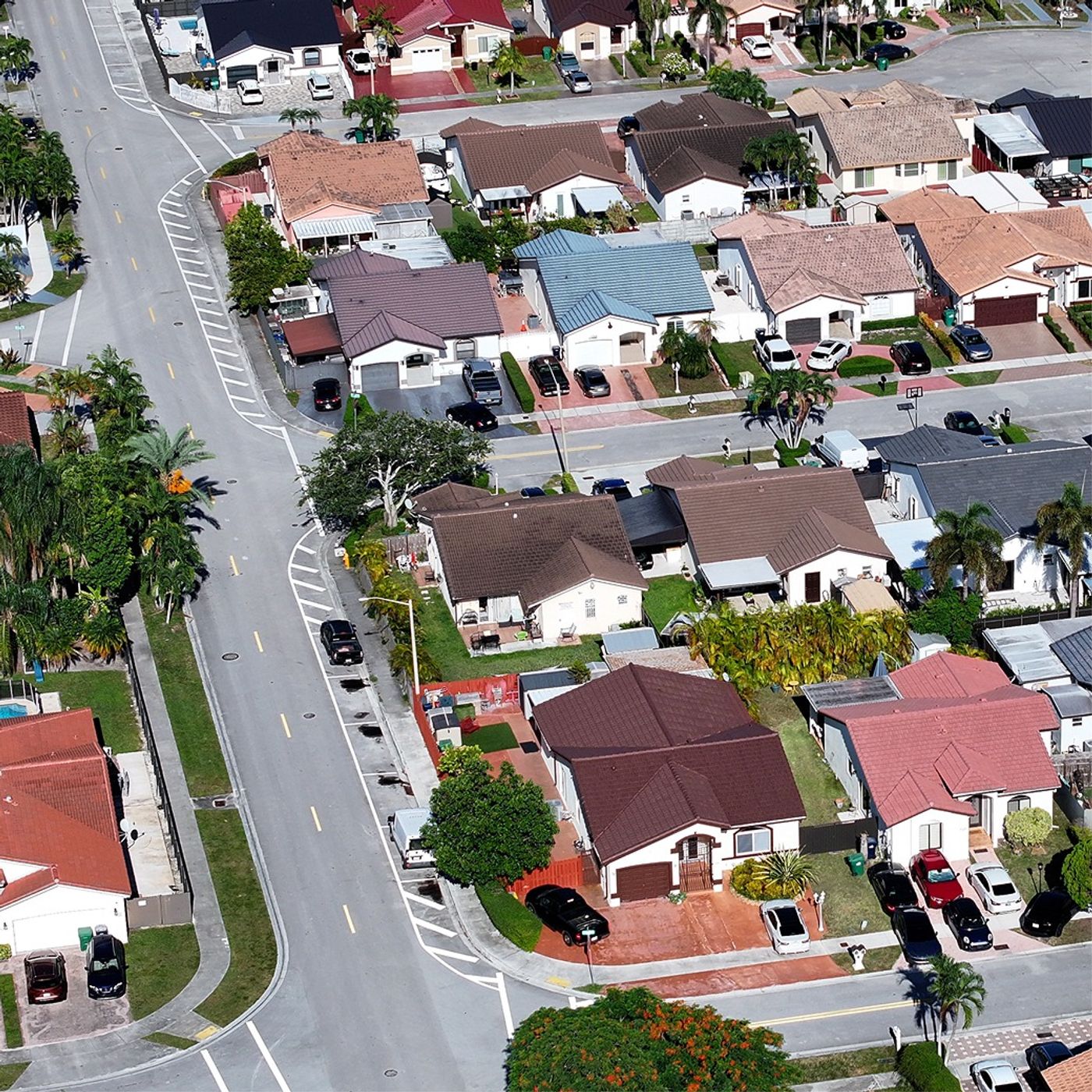
Photo: Joe Raedle/Getty Images
For more information on today’s episode, visit nytimes.com/thedaily. Transcripts of each episode will be made available by the next workday.
Subscribe today at nytimes.com/podcasts or on Apple Podcasts and Spotify. You can also subscribe via your favorite podcast app here https://www.nytimes.com/activate-access/audio?source=podcatcher. For more podcasts and narrated articles, download The New York Times app at nytimes.com/app.