

🤖 AI Summary
Overview
This episode explores the economic ripple effects of global crises, including the war in Iran, inflation, and supply chain disruptions. It also delves into the rebuilding of Baltimore's Francis Scott Key Bridge and its impact on local commuters. Additionally, the episode examines labor market trends and features an interview with Janti Soeripto, CEO of Save the Children U.S., on the challenges of humanitarian work amidst geopolitical turmoil.
Notable Quotes
- The market is an idiot. Words to live by, I'm telling you.
– Kai Ryssdal, on the unpredictable reactions of financial markets.
- In certain cases, the supply chain costs are worth more than the relief supplies themselves.
– Janti Soeripto, on the logistical challenges of delivering humanitarian aid.
- If insurance costs all of a sudden become $3,000 per container, we have made pleas for humanitarian exemptions.
– Janti Soeripto, urging private sector collaboration to reduce costs.
🌍 Global Economic Risks: Inflation vs. Growth
- The war in Iran has led to a projected 1.2% increase in short-term global inflation, with energy prices driving much of the surge.
- Despite inflation concerns, global growth is still expected at 2.9%, though slightly slower than pre-war forecasts (Nova Saffo).
- Economists like Neil Shearing warn that prolonged energy price hikes could de-anchor inflation expectations,
creating a self-fulfilling cycle of rising prices.
📉 Labor Market Trends and Unemployment Claims
- Weekly unemployment claims remain low, but the number of people exhausting their benefits before finding jobs has risen to 40% (Ali Bustamante).
- Layoffs have been minimal, but sectors like manufacturing could face challenges if energy prices remain high (Michelle Meyer).
- Many job seekers, particularly young entrants, are ineligible for unemployment benefits, highlighting structural gaps in the labor market (Betsy Stevenson).
🚧 Rebuilding the Francis Scott Key Bridge
- The collapse of the Key Bridge two years ago has led to significant traffic disruptions, with commuters like longshoreman Dave Coslin facing extended travel times and higher costs.
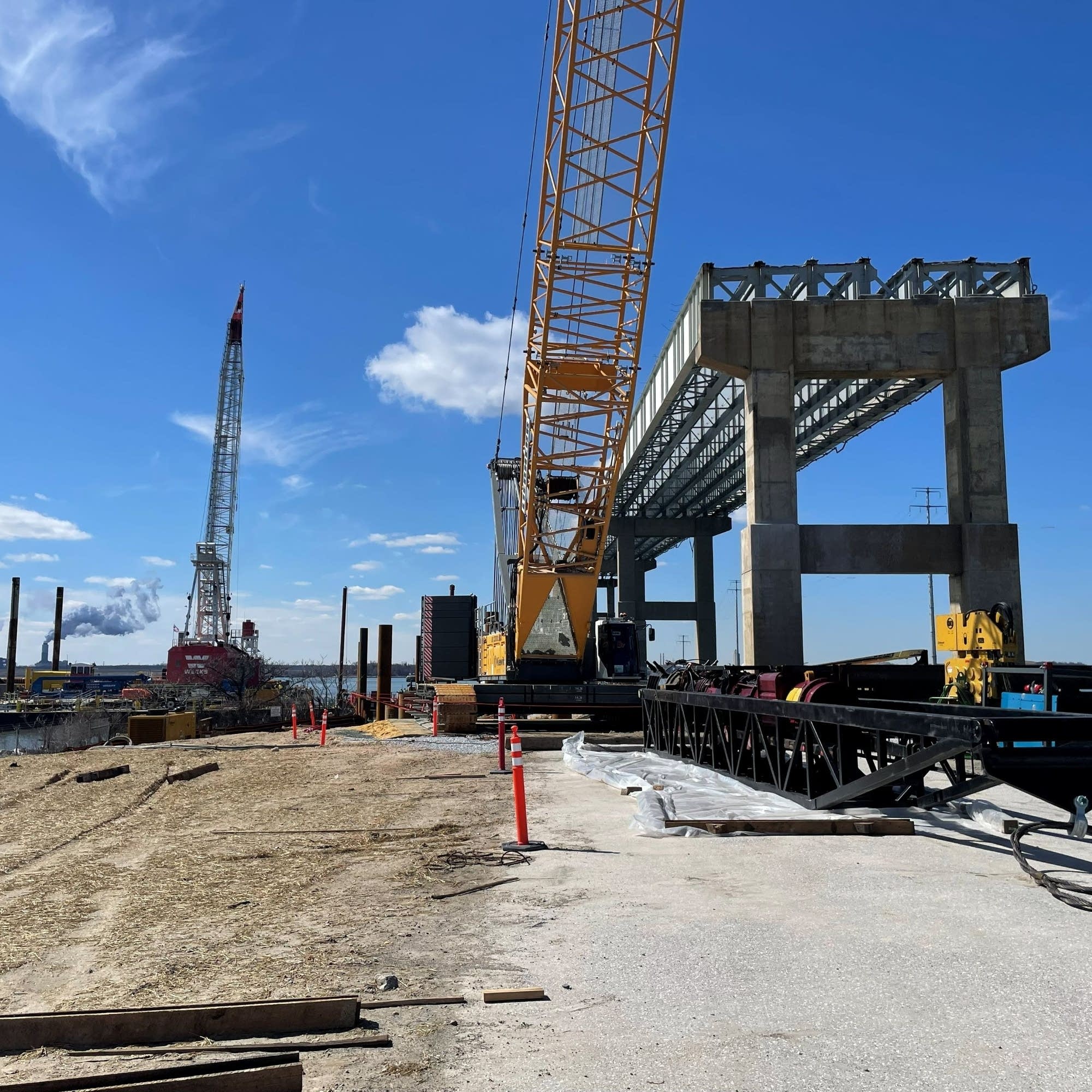
- Maryland is constructing a taller, longer bridge to accommodate modern shipping needs, but the project has doubled in cost to $5.2 billion and is delayed until 2030 (Stephanie Hughes).
- Governor Wes Moore emphasized the importance of future-proofing infrastructure while acknowledging the frustrations of affected residents.
✈️ Humanitarian Challenges Amid War
- Save the Children U.S. faces skyrocketing supply chain costs, with some shipments now twice as expensive due to rising oil prices (Janti Soeripto).
- Aid deliveries are being rerouted, adding delays and costs, as geopolitical tensions disrupt traditional transport routes.
- Soeripto called for private sector support, including reduced insurance costs and logistical flexibility, to sustain humanitarian efforts in conflict zones.
📊 Federal Reserve and Energy Shocks
- The Fed typically looks through
energy price shocks, focusing instead on core inflation metrics that exclude volatile food and energy prices (Karen McDaniel).
- However, if energy-driven inflation alters long-term expectations, the Fed may intervene to prevent a cycle of rising prices (Brian Blank).
- Current long-term inflation expectations remain stable at around 2.3%, reflecting confidence in the Fed's credibility.
AI-generated content may not be accurate or complete and should not be relied upon as a sole source of truth.
📋 Episode Description
Two years ago, a shipping container crashed into the Francis Scott Key bridge in Baltimore. Now it’s being rebuilt to be bigger and better. In today’s episode, we take you into the construction site. Plus, a new estimate on global inflation, a concerning trend with unemployment claims, and why the Federal Reserve usually looks past energy shocks. Also, “Marketplace” host Kai Ryssdal speaks with Janti Soeripto, president and CEO of Save the Children U.S., about how war is complicating the organization’s work.
Every story has an economic angle. Want some in your inbox? Subscribe to our daily or weekly newsletter.
Marketplace is more than a radio show. Check out our original reporting and financial literacy content at marketplace.org — and consider making an investment in our future.