

🤖 AI Summary
Overview
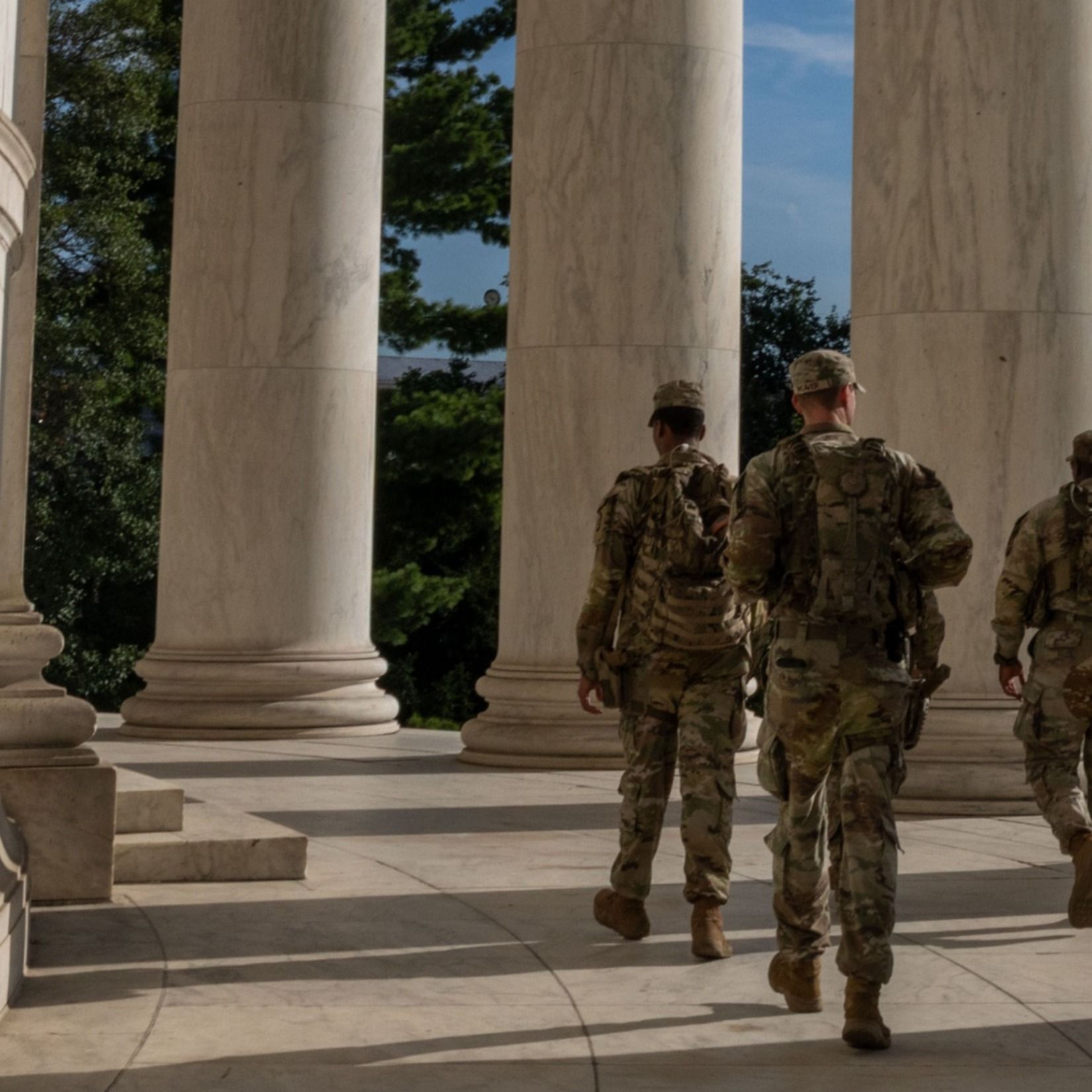
This episode examines the impact of President Trump's deployment of the National Guard and federal agencies in Washington, D.C., ostensibly to combat crime. Through interviews with residents, activists, and community workers, the episode explores the tension between claims of public safety and the lived experiences of those affected by the federal presence.
Notable Quotes
- This is not about crime. This is about control.
– Jessica Cheung, summarizing local sentiment.
- You just went from a basic drug dealer to someone that, if the person makes the wrong move, now you just created a murderer. So did you fix the problem?
– Levon Williams, critiquing the long-term consequences of the federal crackdown.
- Where were all these protesters when these children, babies, and toddlers were getting murdered?
– Sandra Segers, defending the federal intervention.
🛡️ Federal Deployment and Local Resistance
- President Trump framed the deployment as a Liberation Day
to reclaim D.C. from crime, despite violent crime already being at a 30-year low.
- Many residents, including 8 out of 10 surveyed in a Washington Post poll, opposed the federal takeover, viewing it as an overreach of power.
- Protests erupted with chants of Who city? Our city!
as locals expressed frustration over the militarization of their neighborhoods.
🏙️ Life in Congress Heights: A Divided Community
- Sandra Segers, a 74-year-old activist, supported the deployment, citing years of unchecked violence in her Congress Heights neighborhood. She noted an immediate drop in gunfire and felt safer for the first time in years.
- Conversely, Levon Williams, a violence interrupter, argued that the federal presence disrupted community-based crime prevention efforts and escalated tensions. He described the crackdown as a temporary fix
that ignored systemic issues.
🚨 Policing Tactics and Community Impact
- Federal agents made over 1,000 arrests in two weeks, many for minor offenses, leading to accusations of a dragnet
approach.
- Residents reported checkpoints, slower food deliveries, and increased fear among undocumented families. Some avoided public spaces or altered routines to evade scrutiny.
- ICE's involvement led to incidents like the wrongful detention of Christopher's father, highlighting the collateral damage of the operation.
🌱 Militarization vs. Community Needs
- National Guard troops were seen performing non-crime-related tasks like landscaping and trash collection, raising questions about the deployment's purpose.
- Critics, including Levon Williams, argued that federal officers lacked the local knowledge to address root causes of crime, such as poverty and trauma.
- The presence of troops and federal agents was seen as driving crime underground rather than addressing it sustainably.
🌍 Broader Implications and Future Plans
- The deployment in D.C. is viewed as a test case for similar actions in other cities like Chicago, where Trump has already signaled intentions to intervene.
- The episode ends with uncertainty about the long-term impact of this strategy, as D.C. leaders and residents grapple with its consequences.
AI-generated content may not be accurate or complete and should not be relied upon as a sole source of truth.
📋 Episode Description
One month after sending the National Guard into Washington, D.C. saying they would fight crime there, President Trump is so pleased with the results that he is discussing how to put federal troops onto the streets of cities across the country — from Chicago to New Orleans. It’s a potentially dramatic expansion of what has already become an unprecedented military deployment on domestic soil.
Today, we hear from residents of Washington about what life is like with the National Guard in town.
Guest:
- Jessica Cheung, a senior audio producer at The New York Times
Background reading:
- The District of Columbia sued the Trump administration last week, challenging the National Guard deployment and describing it as a “military occupation.”
- Here’s what we know about Mr. Trump’s crime and immigration crackdown across the U.S.
For more information on today’s episode, visit nytimes.com/thedaily. Transcripts of each episode will be made available by the next workday.
Photo: Alex Kent for The New York Times
Unlock full access to New York Times podcasts and explore everything from politics to pop culture. Subscribe today at nytimes.com/podcasts or on Apple Podcasts and Spotify.