
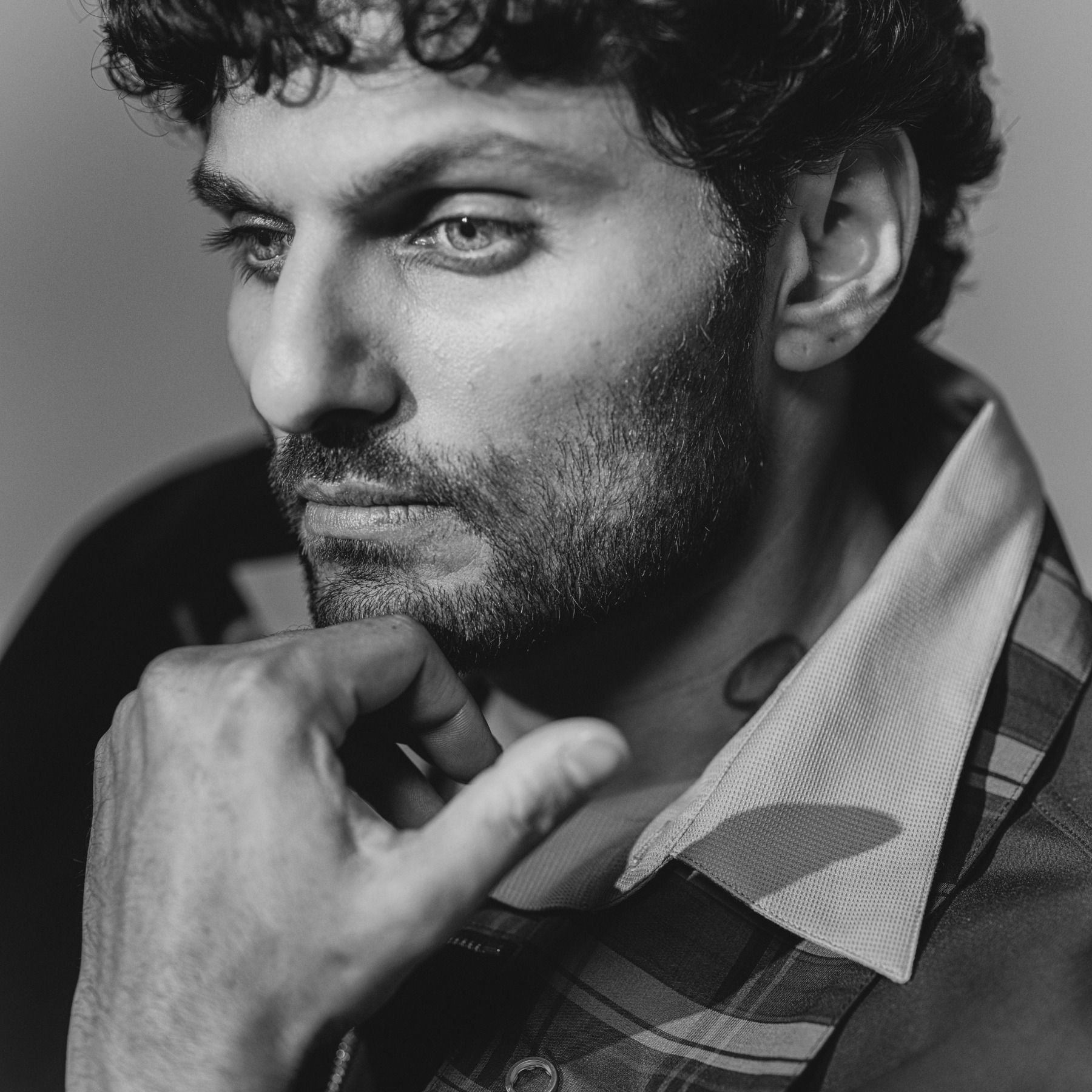
'The Interview': Wellness Guru Jay Shetty Has Raised Some Doubts. Including His Own.

🤖 AI Summary
Overview
Jay Shetty, a prominent wellness influencer and former monk, discusses his journey from monastic life to becoming a global self-help figure. The conversation delves into his core philosophies, the interplay between ancient wisdom and modern self-help, criticisms of his work, and the tensions between his spiritual principles and his life as a successful entrepreneur.
Notable Quotes
- Detachment doesn’t mean aversion. Detachment means you can be close to anything in the world and use it for a higher purpose.
– Jay Shetty, on reconciling spiritual principles with material success.
- If every person in the world started to think like a monk, things would just improve in general.
– Jay Shetty, on the value of adopting monk-like mental practices.
- I do want to be deeply spiritual, and I want to be really successful. That experiment fascinates me and pulls me closer to it.
– Jay Shetty, on balancing spirituality and entrepreneurship.
🧘♂️ The Four Fundamental Questions of Life
- Shetty emphasizes four key questions everyone should reflect on:
- How do I feel about myself?
- What do I do for work?
- Who do I choose to love and receive love from?
- How do I choose to serve the world?
- His work aims to help people navigate these questions, offering insights on purpose, healing, and self-worth.
- He highlights the importance of both timeless wisdom and personalized advice, adapting his approach based on the context and audience.
📜 Ancient Wisdom Meets Modern Science
- Shetty explores the intersection of ancient spiritual teachings, particularly from the Bhagavad Gita, and contemporary self-help practices.
- He draws parallels between traditional practices like yoga’s sun salutations and modern scientific concepts like circadian rhythms.
- Shetty believes many modern growth ideas can be traced back to ancient texts, offering a deeper understanding of universal principles.
🤔 Addressing Criticism and Controversy
- Shetty responds to past accusations of plagiarism and misleading certifications, emphasizing his commitment to transparency and crediting sources.
- He acknowledges learning from criticism, viewing it as a mirror for self-improvement.
- On simplifying his backstory, Shetty asserts that he has been clear about his three years as a monk and the lessons he shares from that time.
💼 Balancing Spirituality and Success
- Shetty reflects on the tension between his monk-like principles and his life as a successful entrepreneur and influencer.
- He argues that spirituality and success are not mutually exclusive, aspiring to use material success for a higher purpose.
- Shetty candidly admits to wrestling with this paradox daily, seeing it as a worthy experiment to align both aspects of his life.
🎥 The Role of Content and Credibility
- Shetty discusses the challenges of creating content in the attention economy, acknowledging the need for engaging titles while delivering meaningful insights.
- He defends his choice to feature a diverse range of guests, from psychologists to astrologists, as a way to explore different perspectives on healing and growth.
- Skepticism, he notes, is part of his process, but he also values the personal experiences of his audience in their healing journeys.
AI-generated content may not be accurate or complete and should not be relied upon as a sole source of truth.
📋 Episode Description
The self-help influencer on his values, his journey and criticism of his work.
- Thoughts? Email us at [email protected]
- Watch our show on YouTube: youtube.com/@TheInterviewPodcast
- For transcripts and more, visit: nytimes.com/theinterview
Subscribe today at nytimes.com/podcasts or on Apple Podcasts and Spotify. You can also subscribe via your favorite podcast app here https://www.nytimes.com/activate-access/audio?source=podcatcher. For more podcasts and narrated articles, download The New York Times app at nytimes.com/app.
Hosted by Simplecast, an AdsWizz company. See pcm.adswizz.com for information about our collection and use of personal data for advertising.