

🤖 AI Summary
Overview
This episode explores the reliability of jobless claims as an economic indicator amidst systemic changes, the evolving dynamics of the AI and LNG industries, and the financial struggles of classical music institutions. It also highlights personal stories of resilience, including a farmer's record-breaking harvest and an entrepreneur's pivot to self-employment.
Notable Quotes
- I yielded my way out of poverty this year.
– April Hemmes, on her record-breaking harvest.
- Music is a beautiful art form and a cruel business.
– Kai Ryssdal, on the financial challenges facing orchestras.
- The learning curve has been steep, but the reward is worth it.
– Cassie Myers, on starting her own business after leaving corporate life.
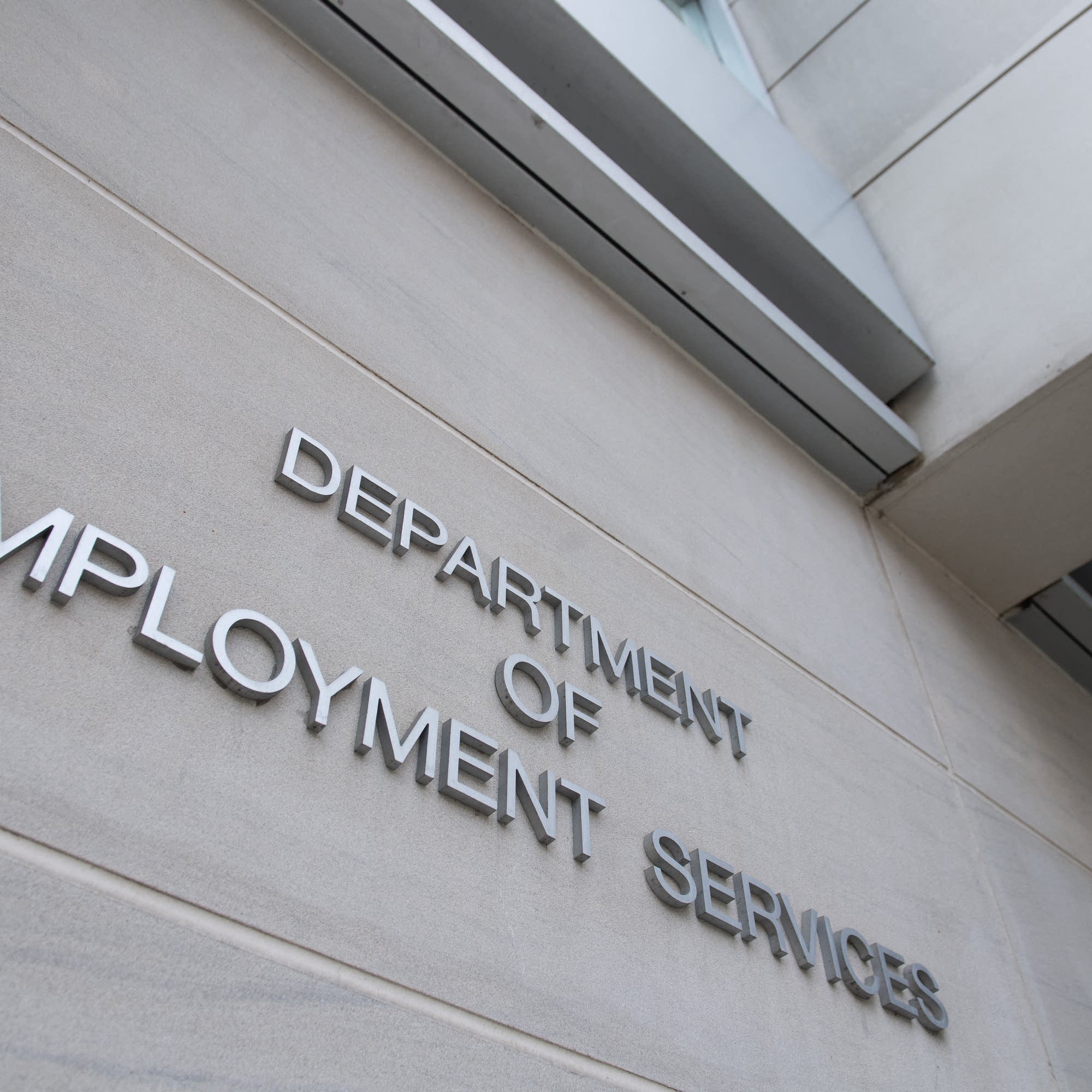
📈 The Reliability of Jobless Claims as an Economic Indicator
- Jobless claims are at a 57-year low, but experts question their accuracy due to systemic changes:
- Michelle Evermore notes that fewer unemployed people qualify for benefits, with recipiency rates dropping from 35-40% decades ago to less than 20% in many states.
- David Weil highlights the rise of gig work and independent contracting, which excludes many workers from unemployment insurance coverage.
- Mark Zandi suggests that factors like early retirements and fear of government systems among immigrants also contribute to lower claims.
- Despite these issues, Zandi believes jobless claims still indicate low layoffs, though the labor market remains weak with declining wage growth and hiring.
🤖 The AI Industry’s Financial Rollercoaster
- CoreWeave, a key player in AI data center infrastructure, is seen as a bellwether for the AI industry.
- After investor concerns over its debt and rising interest rates, CoreWeave reassured markets with a 168% revenue increase and a decision to halt issuing high-interest bonds.
- The company’s strong earnings report led to a 25% surge in its stock price, boosting confidence in AI-related stocks.
- Analysts like Luke Yang question the long-term sustainability of CoreWeave’s business model, given its heavy reliance on debt.
🌍 U.S. Liquefied Natural Gas Gains Amid Global Disruptions
- The U.S. LNG industry is benefiting from geopolitical tensions, including Qatar’s inability to fulfill contracts due to the Iran conflict.
- Ken Medlock from Rice University highlights the U.S.’s growing role as a reliable LNG supplier, with countries like Qatar signing long-term contracts for U.S. gas.
- However, Anne-Sophie Corbeau warns that some countries may pivot to alternative energy sources like domestic gas or coal, potentially limiting LNG’s growth.
🌾 A Farmer’s Record-Breaking Harvest and Rising Costs
- Iowa farmer April Hemmes celebrated her best harvest ever, saying it helped her yield her way out of poverty.
- Despite high yields, farmers remain price takers,
with market prices influenced by government predictions and global trade dynamics.
- Rising input costs, including diesel and fertilizer, continue to challenge profitability. Hemmes emphasizes the need for price stability and less reliance on government payments.
🎻 The Financial Struggles of Classical Music Institutions
- The Nashville Symphony narrowly avoided collapse after Oracle provided a $10 million lifeline.
- The symphony had been running deficits for years, with its grand concert hall proving costly to maintain.
- Maestro Leonard Slatkin emphasized the need for a true restructuring plan
to ensure long-term sustainability.
- Former board member Jim White argued that ticket sales and traditional fundraising alone are insufficient, and fundamental changes are needed to save orchestras.
🚀 Pivoting to Self-Employment Amid Return-to-Office Mandates
- Cassie Myers left her aerospace job after a return-to-office mandate and started her own circuit board design business.
- Despite initial fears and challenges, she now earns more than she did as an employee and values the example she’s setting for her daughters.
- Myers credits her success to careful planning, including securing her first client before leaving her job, and emphasizes the importance of adaptability and resilience.
AI-generated content may not be accurate or complete and should not be relied upon as a sole source of truth.
📋 Episode Description
First-time jobless claims — that’s the number of people who filed for unemployment in a given week — are at a 57-year low. Sounds good, right? Sure, except changes to the unemployment insurance system have narrowed the pool of eligible recipients. And it doesn’t include the rising long-term unemployment rate. So the question is, are jobless claims a reliable economic indicator anymore? Also in this episode: War in the Middle East gives U.S. LNG producers a leg up, the Nashville Symphony recieves critical support from an unlikely source, and AI investors have their eyes glued to CoreWeave earnings.
Every story has an economic angle. Want some in your inbox? Subscribe to our daily or weekly newsletter.
Marketplace is more than a radio show. Check out our original reporting and financial literacy content at marketplace.org — and consider making an investment in our future.
Read the stories in today’s episode:
- What is CoreWeave and why is the stock market rising and falling on its earnings?
- How the Iran War is transforming the liquefied natural gas industry
- What a record-breaking harvest season looks like for one Iowa farmer
- Nashville's symphony orchestra needed saving when Big Tech stepped in
- Do low jobless claims tell an accurate story anymore?
- Faced with a return-to-office mandate, she started her own business instead