

🤖 AI Summary
Overview
This episode delves into the largest Cyclospora outbreak in U.S. history, exploring its origins, how it spread, and the systemic failures in food safety that allowed it to escalate. Public health reporters Christina Jewett and Caroline Hopkins Legaspi provide insights into the parasite's biology, the challenges of tracing contamination, and the broader implications for food safety regulation.
Notable Quotes
- That bag of pre-washed lettuce might have been exposed to the contaminated poop water three times over.
– Caroline Hopkins Legaspi, on the irony of triple-washed
lettuce.
- The FDA actually has not set foot [in the Taylor Farms Mexico facility] since 2019.
– Christina Jewett, highlighting gaps in food safety inspections.
- We have a system where outbreaks should be expected.
– Michael Barbaro, reflecting on the risks baked into the global food supply chain.
🥬 The Cyclospora Outbreak: Scale and Spread
- The outbreak, which began in June, has resulted in over 10,000 confirmed cases and two deaths, far exceeding the typical annual count of 3,000 cases.
- Cyclospora, a parasite spread through food or water contaminated with human feces, has a long incubation period, delaying symptom onset and complicating outbreak tracking.
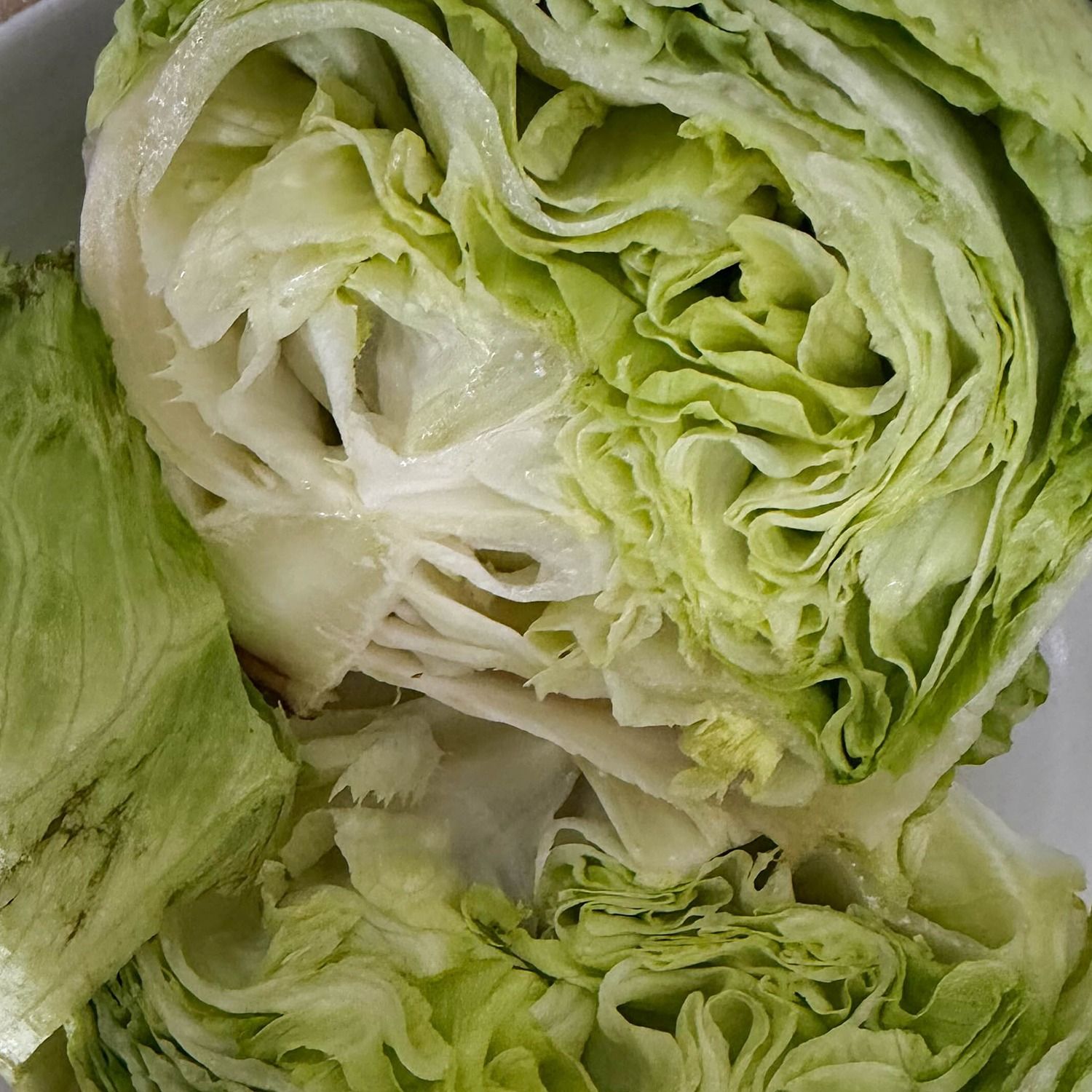
- Contaminated iceberg lettuce from Taylor Farms, grown in Mexico and distributed widely, was identified as the source.
🧪 The Biology of Cyclospora and Its Challenges
- Cyclospora infects the intestinal walls, causing severe diarrhea and nutrient malabsorption.
- The parasite is highly resilient, resistant to standard cleaning methods like chlorine treatment.
- Testing for Cyclospora is difficult due to its uneven distribution in food and water, likened to finding a needle in a haystack.
🌎 Systemic Failures in Food Safety
- The FDA relies on companies to self-regulate, but Taylor Farms' recall was criticized for using cryptic codes that left many unaware of the contamination.
- U.S. inspectors have not visited the implicated Taylor Farms facility in Mexico since 2019, reflecting a broader issue of underfunded and understaffed regulatory agencies.
- The Trump administration's plan to shift food safety inspections to underfunded state agencies could exacerbate these challenges.
💧 Agricultural Water and Contamination Risks
- Contaminated water used for irrigation, washing, or pesticide mixing is a common source of Cyclospora outbreaks.
- Historical cases, such as contaminated raspberries in Guatemala and lettuce in Florida, underscore the recurring role of waterborne contamination.
- Pre-washed bagged lettuce is particularly vulnerable, as it may be exposed to contaminated water multiple times during processing.
📉 Public Health Communication and Accountability
- Federal health officials have been criticized for downplaying the outbreak and failing to communicate effectively with the public.
- State and local health departments, already underfunded, bear the brunt of outbreak investigations.
- The lack of transparency and urgency in addressing foodborne illnesses raises questions about the priorities and effectiveness of the U.S. food safety system.
AI-generated content may not be accurate or complete and should not be relied upon as a sole source of truth.
📋 Episode Description
U.S. health officials linked six more states to what’s now the largest outbreak of cyclospora in American history — an outbreak that has contributed to at least two deaths, sickened thousands of people and left the rest of us increasingly scared of salad.
Today, Christina Jewett and Caroline Hopkins Legaspi, two public health reporters who have covered the parasite for The New York Times, discuss what’s been learned about where it comes from, how it spread so quickly and why our food safety system seems to be powerless to stop it.
Guest:
- Christina Jewett, covers the Food and Drug Administration for The New York Times.
- Caroline Hopkins Legaspi, a health reporter focusing on nutrition and sleep for The New York Times.
Background reading:
- Taco Bell and the food distributor Sysco have pulled Taylor Farms lettuce from supply chains after it was linked to cyclosporiasis.
- The Centers for Disease Control and Prevention has linked six more states to the cyclospora outbreak associated with iceberg lettuce.
Photo: Michelle V. Agins / The New York Times
For more information on today’s episode, visit nytimes.com/thedaily. Transcripts of each episode will be made available by the next workday.
Subscribe today at nytimes.com/podcasts or on Apple Podcasts and Spotify. You can also subscribe via your favorite podcast app here https://www.nytimes.com/activate-access/audio?source=podcatcher. For more podcasts and narrated articles, download The New York Times app at nytimes.com/app.
Hosted by Simplecast, an AdsWizz company. See pcm.adswizz.com for information about our collection and use of personal data for advertising.