

🤖 AI Summary
Overview
This episode explores the escalating tensions between the United States and Israel as they navigate a fragile ceasefire and peace negotiations with Iran. The discussion highlights how the conflict in Lebanon, particularly involving Hezbollah, has become a critical obstacle to achieving a lasting resolution. The episode also examines the political fallout for Israeli Prime Minister Benjamin Netanyahu, the shifting dynamics of the U.S.-Israel alliance, and the broader implications for regional stability.
Notable Quotes
- These two countries knew how to get into a war, but they had no idea how to get out of it.
– Mark Mazzetti, on the fractured U.S.-Israel approach to the Iran conflict.
- Netanyahu’s supporters will sink to any level to defend him, even if that means perpetuating anti-Semitic tropes.
– Ronen Bergman, on the extreme rhetoric in Israeli media following the U.S.-Iran deal.
- You’re a country of 9 million people. You can’t just kill your way out of solving every single national security problem.
– J.D. Vance, U.S. Vice President, addressing Israeli critics of the ceasefire.
🇮🇱 The U.S.-Israel Rift Over the Iran Deal
- The U.S. and Israel, once aligned in their approach to the Iran war, are now deeply divided over the terms of a ceasefire and Memorandum of Understanding (MOU) with Iran.
- Ronen Bergman described the shift as a catastrophic blow to Netanyahu’s political legacy, as the deal restricts Israel’s ability to act against Hezbollah in Lebanon.
- Mark Mazzetti noted that the U.S. prioritized ending the war over Israel’s security concerns, leading to accusations of betrayal from Netanyahu’s supporters.
📉 Netanyahu’s Political Fallout
- Netanyahu’s media allies, once staunch supporters of both him and Trump, have turned on the U.S. administration, accusing it of betraying Israel.
- Extreme rhetoric in Israeli media, including anti-Semitic attacks on Jewish U.S. officials like Jared Kushner, reflects the desperation to shield Netanyahu from blame.
- Despite the backlash, Netanyahu’s government has signaled it may defy the ceasefire to maintain its stance against Hezbollah, risking further friction with the U.S.
⚔️ Hezbollah and the Lebanon Factor
- Hezbollah’s continued attacks on Israel, likely orchestrated by Iran, have become a central issue threatening the fragile peace.
- Ronen Bergman argued that Iran is using Hezbollah to provoke Israel, creating internal political pressure on Netanyahu while avoiding a full-scale war.
- The U.S. and Iran are now tasked with restraining their respective allies—Israel and Hezbollah—to prevent the collapse of the deal.
🇺🇸 U.S. Leverage and Shifting Alliances
- Vice President J.D. Vance issued a rare public rebuke of Israel, emphasizing U.S. military aid and warning against undermining the ceasefire.
- Mark Mazzetti highlighted Trump’s willingness to prioritize the Iran deal over the U.S.-Israel alliance, signaling a potential shift in American foreign policy.
- Growing skepticism among younger Americans about the U.S.-Israel relationship, tied to Netanyahu’s policies, could have long-term implications for the alliance.
🕊️ The Fragile Path Forward
- The stability of the U.S.-Iran deal hinges on controlling the conflict in Lebanon, with both sides walking a fine line to avoid reigniting war.
- Mark Mazzetti and Ronen Bergman noted that while short-term damage to the U.S.-Israel relationship may be repairable, the long-term political and public opinion shifts could redefine the alliance.
- Netanyahu faces a critical decision: prioritize his political survival or maintain the alliance with the U.S., a choice that could shape the region’s future.
AI-generated content may not be accurate or complete and should not be relied upon as a sole source of truth.
📋 Episode Description
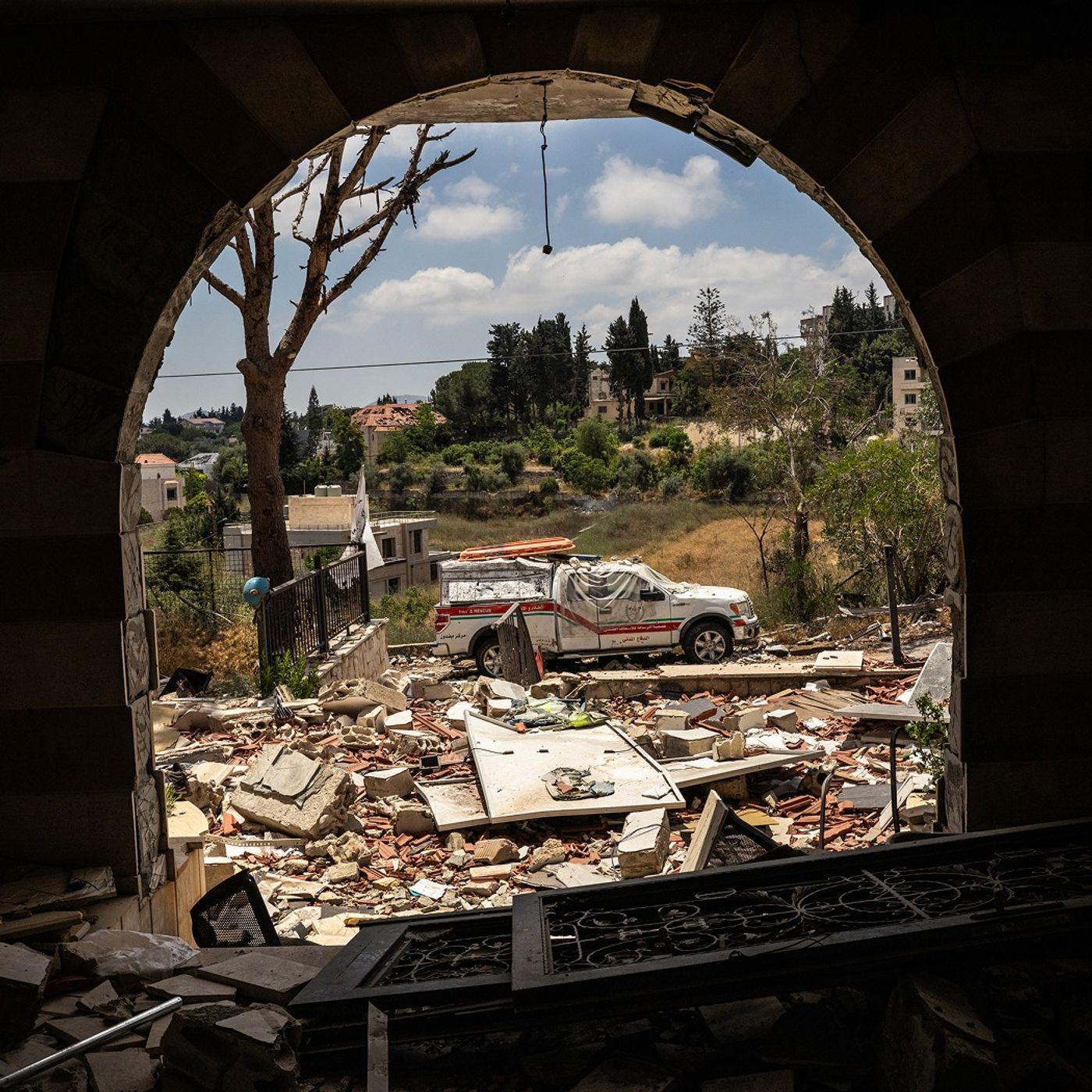
As the United States and Iran try to reach a lasting end to the war, a major hurdle has emerged: the volatile conflict in Lebanon. President Trump needs Israel to stop attacking Hezbollah there to get Iran to agree to a deal.
The New York Times reporters Ronen Bergman and Mark Mazzetti discuss the growing tensions between the United States and Israel.
Guest:
- Ronen Bergman, a staff writer for The New York Times Magazine based in Tel Aviv.
- Mark Mazzetti, an investigative reporter for The New York Times based in Washington focusing on national security.
Background reading:
- Analysis: The conflict in Lebanon has become one of the main obstacles to ending the American-Israeli war on Iran.
- Vice President JD Vance lashed out at Israeli critics of a U.S.-Iran agreement.
Photo: David Guttenfelder/The New York Times
For more information on today’s episode, visit nytimes.com/thedaily. Transcripts of each episode will be made available by the next workday.
Subscribe today at nytimes.com/podcasts or on Apple Podcasts and Spotify. You can also subscribe via your favorite podcast app here https://www.nytimes.com/activate-access/audio?source=podcatcher. For more podcasts and narrated articles, download The New York Times app at nytimes.com/app.
Hosted by Simplecast, an AdsWizz company. See pcm.adswizz.com for information about our collection and use of personal data for advertising.