

🤖 AI Summary
Overview
This episode explores the dismissal of criminal charges against James Comey and Letitia James, two prominent figures targeted by President Trump's campaign of retribution. It delves into the legal and procedural flaws that led to the cases being thrown out, the broader implications for Trump's strategy, and the ongoing tension between the administration and the judiciary.
Notable Quotes
- The president of the United States cannot use the Department of Justice to target his political enemies. I don't care what your politics are, you have to see that as fundamentally un-American.
- James Comey, on the dismissal of his indictment.
- The courts are about establishing facts and following the law. Trump's version of reality doesn't impose its will here.
- Devlin Barrett, on the judiciary's rejection of the administration's tactics.
- It's the ultimate legal boomerang—the argument used to dismiss a case against Trump is now being used to dismiss cases he demanded against his enemies.
- Speaker 2, on the irony of the legal precedent.
⚖️ Legal Flaws in the Indictments
- The judge dismissed the cases due to the improper appointment of Lindsay Halligan as U.S. Attorney, labeling her a double temporary
appointment, which violated established legal processes.
- Halligan, a Trump loyalist with no prosecutorial experience, was parachuted into the role to bring charges against Comey and James, bypassing career prosecutors who deemed the cases meritless.
- The judge emphasized that allowing such appointments would undermine the Senate-confirmation process and dilute the integrity of the Justice Department.
🔥 Vindictive Prosecution Allegations
- Both Comey and James argued that the charges against them were acts of political revenge, driven by Trump's personal animosity.
- Comey was accused of lying in congressional testimony, while James faced allegations of mortgage fraud—cases deemed weak by career prosecutors.
- The judge's ruling avoided addressing vindictive prosecution directly, focusing instead on procedural issues, leaving this argument in legal limbo.
🎯 Trump's Campaign of Retribution
- The administration's strategy involves appointing loyalists to pursue cases against perceived enemies, often bypassing traditional legal norms.
- This approach has faced resistance from career prosecutors and the judiciary, as seen in the dismissal of these cases.
- Despite setbacks, Trump is expected to continue seeking avenues for retribution, potentially through other prosecutors or sympathetic judges.
🔄 Legal Precedent and Irony
- The judge cited a prior ruling by Judge Aileen Cannon, which dismissed charges against Trump due to improper prosecutorial appointment.
- This precedent, initially a victory for Trump, has now been used against his administration, highlighting the legal contradictions in his approach.
- The ruling underscores the judiciary's role in checking executive overreach, even when the administration attempts to manipulate legal processes.
AI-generated content may not be accurate or complete and should not be relied upon as a sole source of truth.
📋 Episode Description
A federal judge on Monday tossed out separate criminal charges against the former F.B.I. director James B. Comey and New York’s attorney general, Letitia James.
The manner in which the judge dismissed the Comey indictment could now lead to a legal fight over whether the government can try to refile the charges with another grand jury.
Devlin Barrett, who covers the Justice Department and the F.B.I. for The New York Times, discusses President Trump’s campaign of retribution against his perceived enemies and walks us through the judge’s rulings
Guest: Devlin Barrett, a New York Times reporter covering the Justice Department and the F.B.I..
Background reading: The cases against Mr. Comey and Ms. James are dismissed.
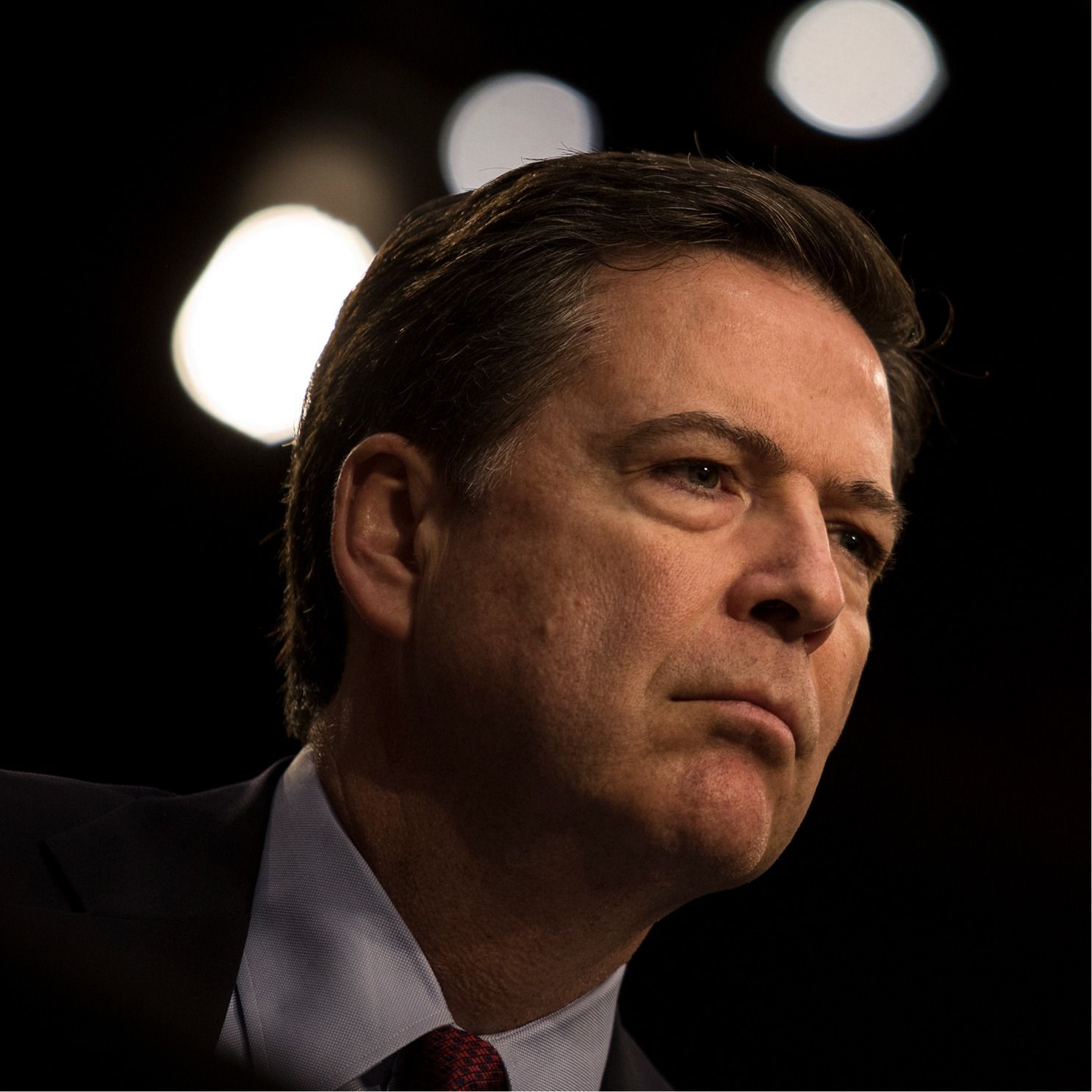
Photo: Drew Angerer for The New York Times
For more information on today’s episode, visit nytimes.com/thedaily. Transcripts of each episode will be made available by the next workday.
Subscribe today at nytimes.com/podcasts or on Apple Podcasts and Spotify. You can also subscribe via your favorite podcast app here https://www.nytimes.com/activate-access/audio?source=podcatcher. For more podcasts and narrated articles, download The New York Times app at nytimes.com/app.