

🤖 AI Summary
Overview
This episode explores the ripple effects of rising energy costs on core inflation, the evolving dynamics of consumer spending amidst economic uncertainty, and the challenges facing industries like AI and salmon farming. It also touches on geopolitical tensions and their economic implications.
Notable Quotes
- You can take energy costs out of the inflation measure, but you can't take energy out of the inflation.
— Catherine Rampell, on the pervasive impact of energy prices.
- If we wanted this to be enough, we could make this enough.
— Drew Haven, reflecting on stepping away from Silicon Valley's profit-driven culture.
- Salmon's not a cheap protein, but it's a prestige protein.
— Benjamin Siegel, on the growing global demand for salmon despite ecological limits.
🔥 Is the AI Bubble Popping?
- Sudeep Reddy described the current state of the AI industry as a reckoning,
comparing it to the early stages of the dot-com bubble burst in 2000. He noted the unsustainable overinvestment in AI companies and the uncertainty surrounding the industry's future.
- Catherine Rampell predicted a cycle of deflation and inflation
in the AI sector, citing the unpredictable trajectory of AI's impact on society and the economy.
🌍 Geopolitical Tensions and Economic Impacts
- The podcast discussed the recent meeting between Presidents Trump, Xi, and Putin, which Catherine Rampell dismissed as a nothing burger
with little substantive outcome. She lamented the missed opportunity for global cooperation on regulating AI and addressing shared existential threats.
- Sudeep Reddy highlighted the complexities of U.S.-China trade relations, particularly around export controls and the political implications for key figures like the Secretary of Commerce.
📈 Energy Costs and Core Inflation
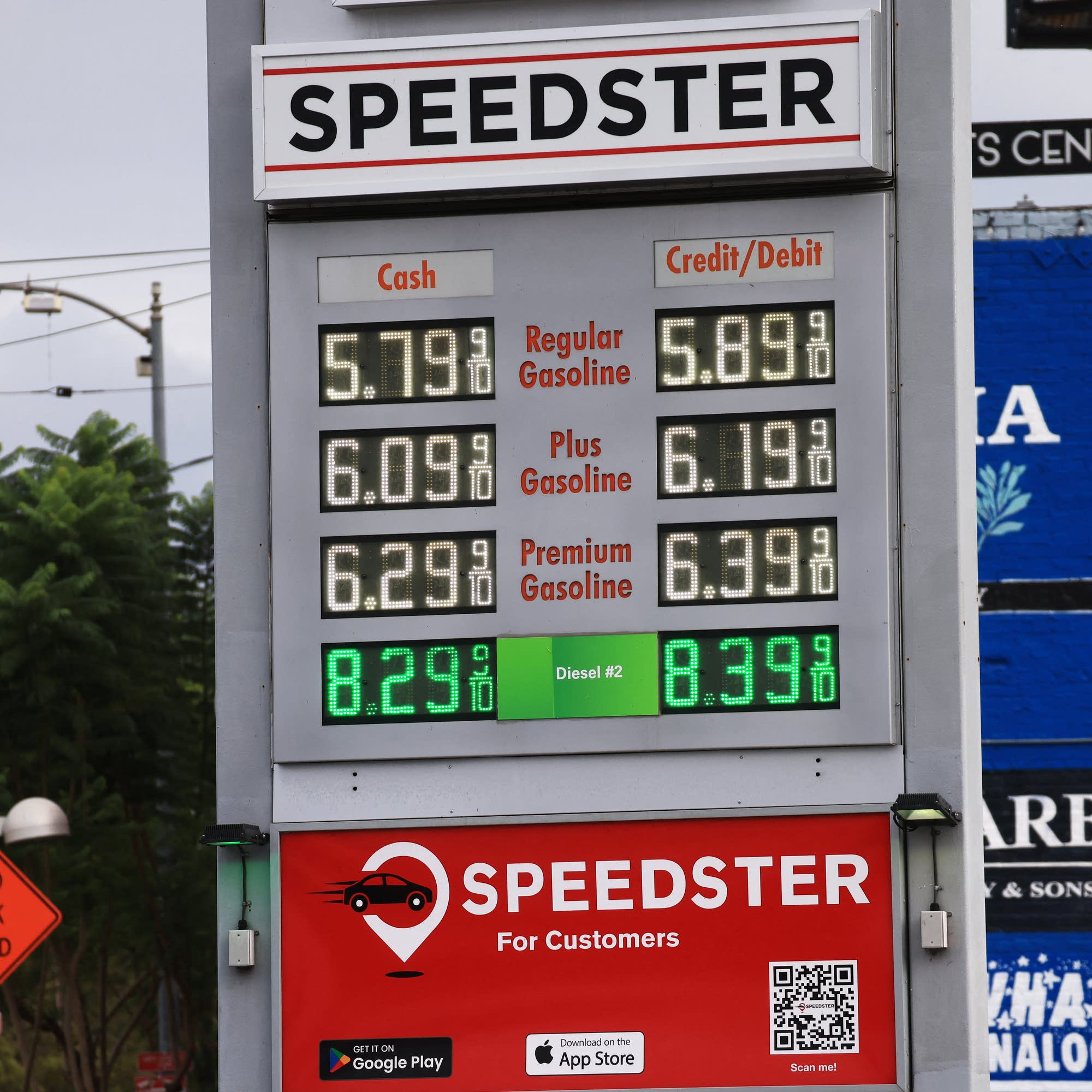
- Rising energy prices are now influencing core inflation metrics, traditionally calculated without food and energy. Catherine Rampell and other experts explained how fuel costs permeate the economy, from transportation to retail pricing.
- Diesel prices, in particular, were identified as a major driver of inflation, with businesses passing on higher costs to consumers.
🛍️ Shifting Consumer Spending and Retail Strategies
- Despite inflation, retail sales rose 7% year-over-year in October, but consumers are becoming more selective, prioritizing value and durability.
- Retailers are responding with aggressive sales tactics, such as earlier Black Friday promotions and limited-time offers, to capture consumer spending before economic conditions potentially worsen in the new year.
🐟 The End of Cheap Salmon?
- Benjamin Siegel discussed the ecological and regulatory challenges facing salmon farming, particularly in Norway and Chile, which produce 80% of the world's salmon.
- High mortality rates in salmon farms, coupled with increasing global demand, are driving up prices. Siegel suggested that salmon might return to being a special occasion
food rather than an everyday staple.
AI-generated content may not be accurate or complete and should not be relied upon as a sole source of truth.
📋 Episode Description
Economists use “core” inflation to describe price changes minus food and energy (which can be up one week and down the next). But for the past six months, energy prices have been stubbornly high, as the White House drags out its war in Iran. That sustained inflation is having a trickle-down impact. In this episode, why core inflation can’t escape fuel costs. Plus: Retailers cater to picky consumers, and the stock market tumbles after a historic IPO.
Every story has an economic angle. Want some in your inbox? Subscribe to our daily or weekly newsletter.
Marketplace is more than a radio show. Check out our original reporting and financial literacy content at marketplace.org — and consider making an investment in our future.
Read the stories in today’s episode: