

🤖 AI Summary
Overview
This episode delves into the global energy crisis triggered by the war in Iran, focusing on the strategic Strait of Hormuz. The discussion highlights the strait's critical role in global oil and gas supply, the economic ripple effects of its disruption, and the historical and contemporary responses to energy crises.
Notable Quotes
- This huge risk that energy experts have been talking about for years, the risk that the Strait of Hormuz would close, is now playing out in real time.
– Rebecca F. Elliott, on the unfolding energy crisis.
- It's not the same thing as turning off your faucet. When you shut in a well, you risk damaging it, and the disruptions can last longer than the war.
– Rebecca F. Elliott, on the challenges of halting oil production.
- People remember gas prices. It's one of those things that's in your face every day.
– Rebecca F. Elliott, on the lasting impact of energy price shocks.
🌍 The Strategic Importance of the Strait of Hormuz
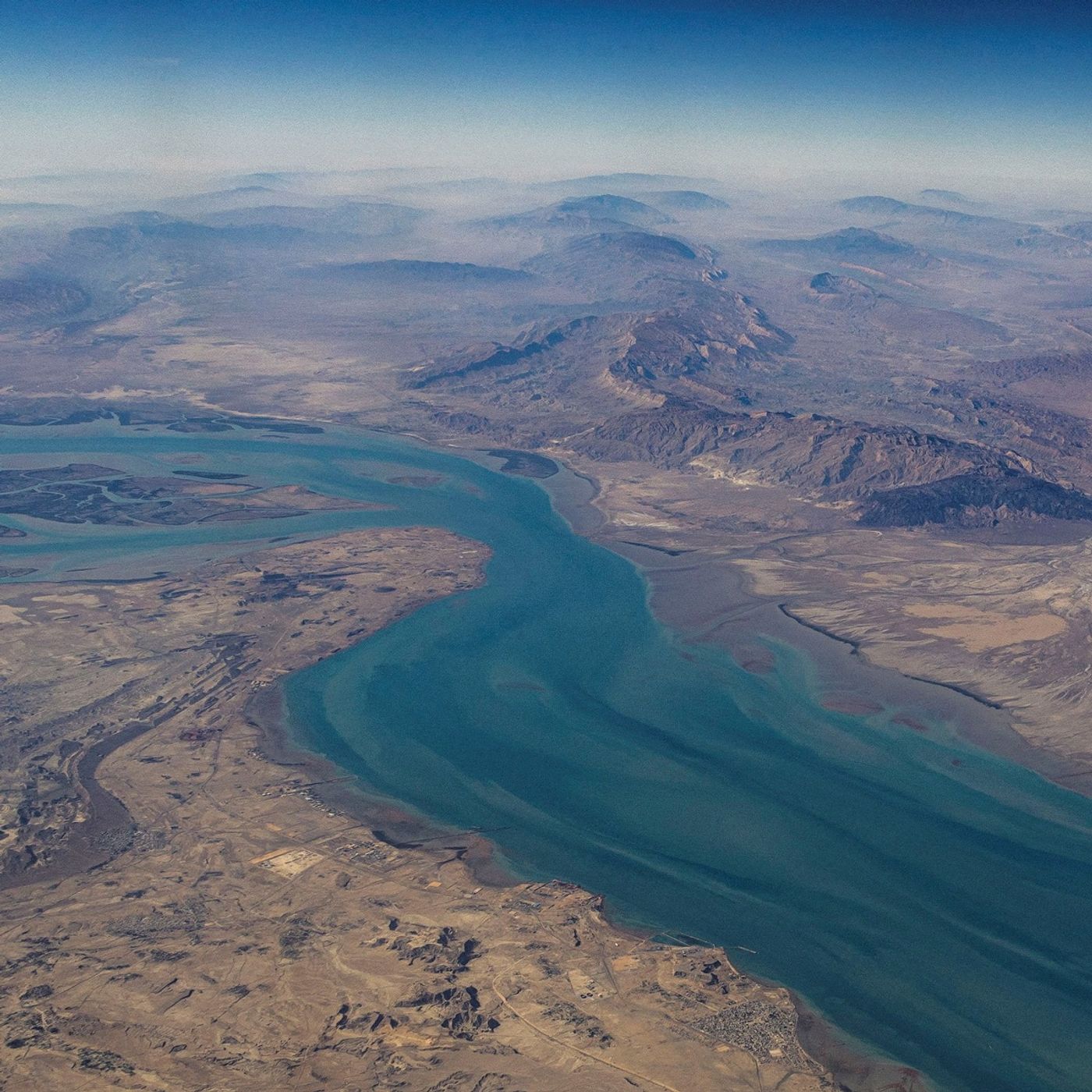
- The Strait of Hormuz is a narrow, vital shipping route through which one-fifth of the world's oil and significant natural gas supplies pass daily.
- Iran's attacks on vessels and threats to set fire to ships have effectively stalled traffic, creating a bottleneck for global energy supplies.
- Insurance companies are pulling back, making it harder and more expensive to transport oil through the region.
📈 Volatility in Oil Prices and Economic Fallout
- Oil prices have been wildly fluctuating, with swings as high as $30 per barrel in a single day. Prices briefly surpassed $100 per barrel for the first time since 2022.
- Gasoline and diesel prices have risen globally, prompting governments to implement emergency measures like price caps (South Korea) and energy rationing (India).
- The crisis echoes the 1973 oil embargo, which quadrupled oil prices and caused widespread economic disruption.
🛢️ Challenges for Oil Producers and Consumers
- Tankers are stranded, unable to transport oil and gas, leading to storage issues and production cuts in the region.
- Shutting down oil wells risks long-term damage, potentially prolonging the crisis even after the war ends.
- Asian countries, heavily reliant on imported oil, are among the hardest hit, while producers like Qatar have halted exports, driving up prices in Europe and Asia.
🔋 Lessons from the 1973 Oil Crisis and Energy Independence
- The 1973 crisis spurred efforts to reduce oil dependency, including fuel efficiency standards and a shift to alternative energy sources like nuclear power.
- The U.S. has since become a net exporter of oil, thanks to fracking and renewable energy development, making it less vulnerable to Gulf disruptions.
- However, oil remains critical for global energy needs, and prolonged disruptions in the Strait of Hormuz could have severe economic consequences.
⚖️ Policy Responses and Long-Term Implications
- The U.S. could release oil from its Strategic Petroleum Reserve or temporarily lift the gasoline tax to ease domestic pressure.
- More extreme measures, like banning oil exports, remain unlikely but possible.
- The crisis may push countries to accelerate transitions to alternative energy sources, though political resistance, particularly in the U.S., could hinder progress.
- The situation underscores the vulnerability of global energy systems and the potential for lasting change in energy policies and consumption patterns.
AI-generated content may not be accurate or complete and should not be relied upon as a sole source of truth.
📋 Episode Description
As Iran has tightened its chokehold on one of the world’s most vital shipping routes and the Trump administration sent mixed signals about how long the war would last, oil prices have swing wildly.
Rebecca F. Elliot, who covers energy for The New York Times, explains just how much the world depends on that route — the Strait of Hormuz — and how quickly shutting it down can throw global energy markets into chaos.
Guest: Rebecca F. Elliott, who covers energy for The New York Times.
Background reading:
- How war in the Middle East is choking off the world’s oil and gas.
- A jump in oil prices was a sign of growing concern that the war will continue to take a toll on energy supplies.
Photo: Nicolas Economou/Reuters
For more information on today’s episode, visit nytimes.com/thedaily. Transcripts of each episode will be made available by the next workday.
Subscribe today at nytimes.com/podcasts or on Apple Podcasts and Spotify. You can also subscribe via your favorite podcast app here https://www.nytimes.com/activate-access/audio?source=podcatcher. For more podcasts and narrated articles, download The New York Times app at nytimes.com/app.
Hosted by Simplecast, an AdsWizz company. See pcm.adswizz.com for information about our collection and use of personal data for advertising.