

🤖 AI Summary
Overview
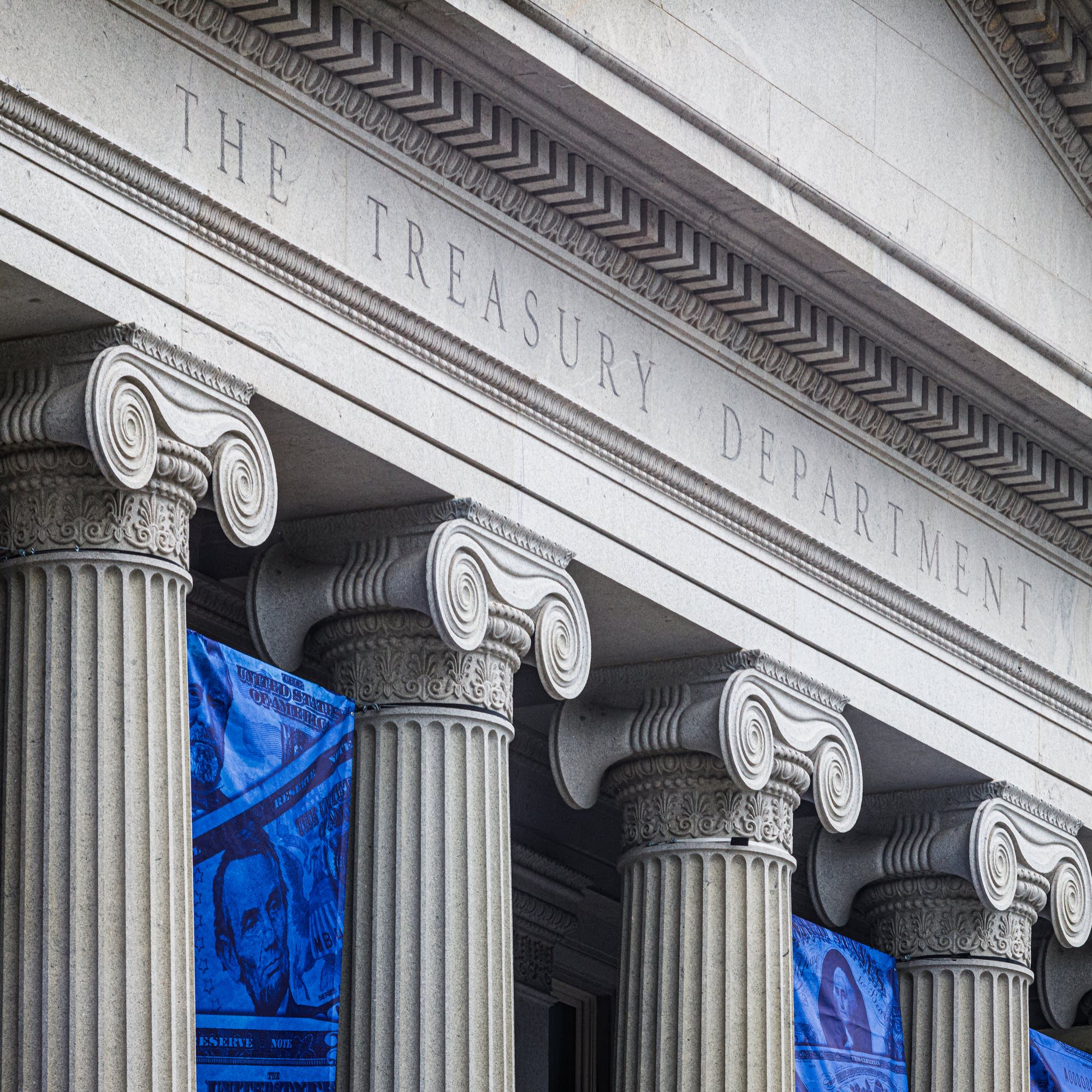
This episode explores the economic forces behind the 30-year Treasury yield surpassing 5% for the longest stretch since 2007, driven by competition with Big Tech debt and investor concerns about U.S. fiscal policy. Additional topics include China's slowing economy, AT&T's earnings boost from service bundling, the chaos of shifting tariff policies, and the Federal Reserve's efforts to maintain anchored
inflation expectations.
Notable Quotes
- 30-year bonds are like my shady old gym — not the shadiness or bankruptcy, but the fact that they ask you to lock up your money for a long time.
— Sabri Benishaw, on the risks of long-term investments.
- People in China are fundamentally scared that their property can go away, that their jobs can go away. The future looks pretty grim.
— Adam Posen, on China's economic slowdown and its impact on consumer confidence.
- Without credibility, without trust that the Fed is going to fight inflation when it has to, well, anchors away, right?
— Kai Ryssdal, on the importance of the Federal Reserve's credibility in managing inflation expectations.
📈 Rising 30-Year Treasury Yields
- The 30-year Treasury yield has remained above 5% for 27 days, the longest stretch since 2007.
- Sabri Benishaw likened long-term bonds to risky investments, as they require locking up money for decades while investors demand higher yields to compensate for uncertainty.
- Rising yields signal market discomfort, driven by concerns over the U.S. budget deficit, which now exceeds 100% of GDP, and a lack of credible plans to reduce it.
- Big Tech companies are issuing high-paying, long-term bonds to fund AI infrastructure, creating competition for government bonds.
🇨🇳 China's Economic Slowdown
- China's GDP growth slowed to 4.3% in Q2, down from 5% in Q1, with weak domestic consumption and struggling small businesses.
- Adam Posen highlighted that youth unemployment, estimated at over 18%, and a lack of trust in property and job security are driving higher savings and lower spending.
- Despite a booming export and manufacturing sector, China’s economy is not seeing significant improvements in living standards or domestic demand.
- A weaker Chinese economy could lead to global deflationary pressures and reduced demand for imports, impacting industries worldwide.
📡 AT&T’s Earnings Boost from Bundling
- AT&T reported a strong quarter with $31.5 billion in revenue, driven by 646,000 new internet subscribers and 100,000 new phone subscribers.
- The company’s success is attributed to its bundling strategy, which offers deals for combining phone and internet services, reducing customer churn and increasing loyalty.
- However, Craig Moffitt noted that AT&T has struggled to capitalize on broader economic growth, as much of the wealth has gone to companies using their networks rather than the telcos themselves.
📦 Tariff Chaos and Global Trade
- Shifting U.S. tariff policies, including new tariffs on Brazilian and Canadian imports, have created confusion and uncertainty for businesses.
- Gretchen Blau, a customs brokerage manager, described the situation as chaos,
with overlapping tariffs and unclear guidance from authorities.
- Tariff changes are disrupting global supply chains, with businesses struggling to calculate costs and communicate changes to customers.
⚓ Anchoring Inflation Expectations
- The Federal Reserve is focused on keeping inflation expectations anchored
around its 2% target, as consumer beliefs about future inflation influence spending and wage demands.
- Karen McDaniel explained that anchored expectations help stabilize prices and make the Fed’s job easier, even if actual inflation fluctuates.
- Fed Chair Kevin Warsh has emphasized the importance of credibility and trust in the Fed’s commitment to controlling inflation, especially amid economic uncertainty caused by tariffs, geopolitical tensions, and AI-driven investments.
AI-generated content may not be accurate or complete and should not be relied upon as a sole source of truth.
📋 Episode Description
The yield on a 30-year Treasury bond has been hovering above 5% for a couple weeks — the longest stretch since the Great Recession. One reason is Treasury bonds are competing with Big Tech debt. We’ll explain, with help from one reporter’s shady gym membership deal. Also in this episode: AT&T attributes strong earnings to service bundles, a customs broker updates us on shipping logistics amid tariff changes, and Kai explains why Fed economists want to keep inflation expectations "anchored."
Every story has an economic angle. Want some in your inbox? Subscribe to our daily or weekly newsletter.
Marketplace is more than a radio show. Check out our original reporting and financial literacy content at marketplace.org — and consider making an investment in our future.
Read the stories in today’s episode: