

🤖 AI Summary
Overview
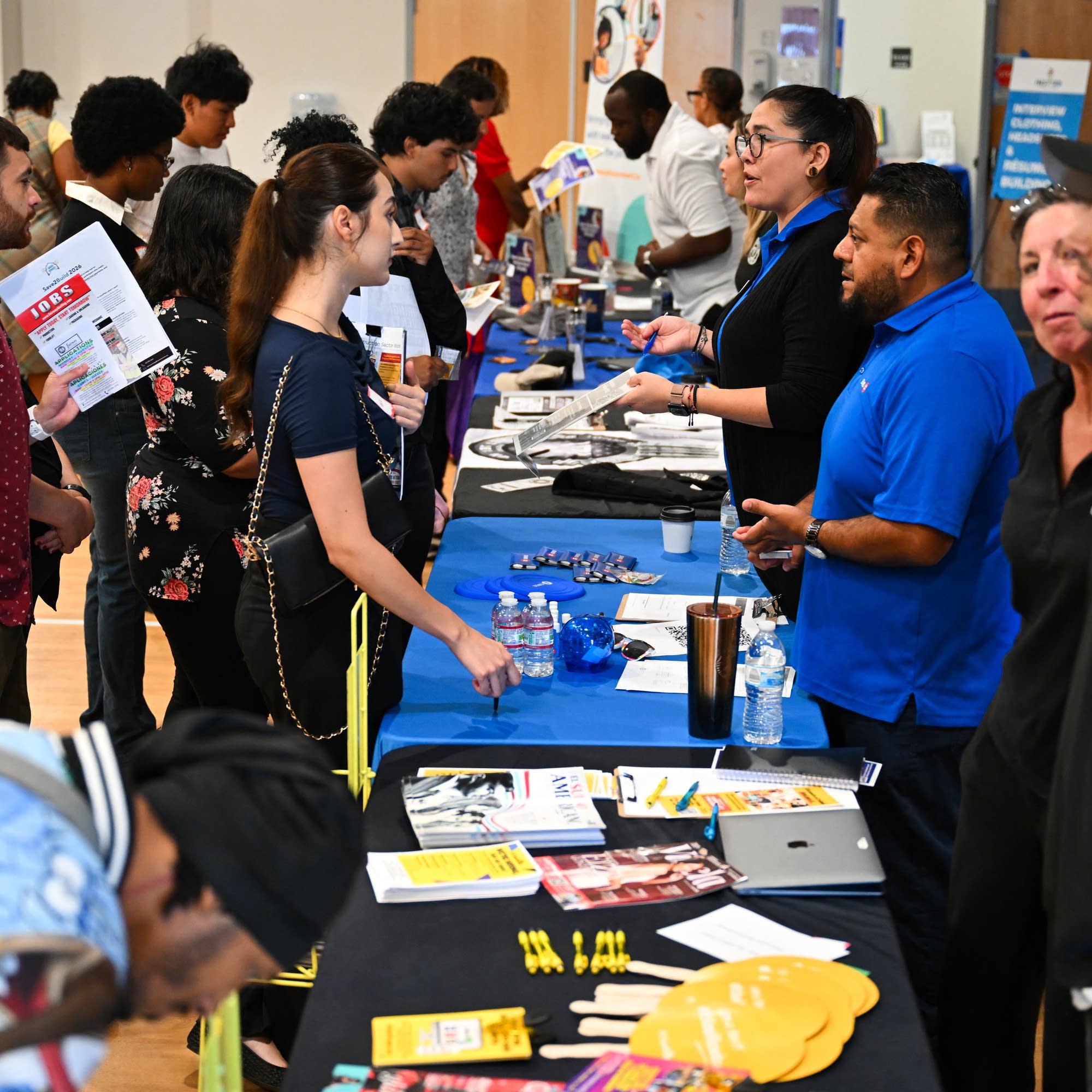
This episode unpacks the July jobs report, which revealed a net loss of 23,000 jobs and declining labor force participation. The discussion spans the implications of immigration policy, the Federal Reserve's focus on inflation, and sector-specific job losses. Additional segments explore the rising costs of car ownership, innovative solutions to the teacher housing crisis, and personal stories of leaving the workforce.
Notable Quotes
- Immigration policy is a labor market story.
– Kai Ryssdal, emphasizing the connection between immigration and workforce dynamics.
- How long can we continue to extend loan terms to seven, eight, or even ten years?
– Ray Shefska, on the unsustainable rise of long-term auto loans.
- No one assigns you this role; it just lands on you.
– Kipper Hendrick, reflecting on the sacrifices of caregiving and leaving the workforce.
📉 The July Jobs Report: A Shaky Labor Market
- The U.S. labor market shed 23,000 jobs in July, with revisions showing weaker job growth in previous months.
- David Gura highlighted a drop in labor force participation to 61%, the lowest in decades (excluding COVID).
- Long-term unemployment remains a concern, with a quarter of unemployed individuals jobless for over 27 weeks, noted Catherine Rampell.
- Immigration policy, including deportation campaigns, has reduced the labor pool, exacerbating workforce shortages.
📊 The Federal Reserve’s Inflation Focus vs. Labor Market Fragility
- The Federal Reserve has prioritized inflation control over employment, with Chair Kevin Warsh emphasizing price stability.
- Catherine Rampell argued that the Fed must refocus on the labor market, given its increasing fragility and declining job gains.
- David Gura pointed out internal disagreements within the Federal Open Market Committee, with some members advocating for incremental rate hikes.
🏫 Addressing the Teacher Housing Crisis
- School districts in high-cost areas like California are leasing unused land to developers to build affordable housing for teachers.
- Andrew Flowers explained how these public-private partnerships provide long-term housing solutions while avoiding conflicts of interest.
- San Diego is leading the way with plans for 2,500 teacher apartments across six sites, a model that could expand to other essential workers like nurses and first responders.
🚗 Rising Car Prices and the Long-Term Loan Trap
- The average price of a new car has reached nearly $50,000, with monthly payments exceeding $750.
- Borrowers are increasingly turning to long-term loans of up to 10 years, which Ray Shefska warns could lead to financial strain and negative equity.
- High interest rates and inflation are further squeezing consumers, while lenders are negotiating with borrowers to avoid repossessions.
👩⚕️ The Hidden Costs of Caregiving and Labor Force Exit
- Kipper Hendrick shared her story of leaving the workforce to care for her aging parents, highlighting the financial and emotional toll of caregiving.
- She noted that caregiving often forces individuals to sacrifice careers and savings, with little societal support.
- Her experience inspired her to become an end-of-life coach and create a caregiving community to support others in similar situations.
AI-generated content may not be accurate or complete and should not be relied upon as a sole source of truth.
📋 Episode Description
The July jobs report is out, and it’s a doozy: The U.S. labor market shed a net 23,000 jobs last month. Previous months, which saw moderate gains, were revised down. In this episode, which sectors cut the most roles, and what it all signals about the broader economy. Plus: Climbing car prices lock buyers in longer-term loans, communities combat a teacher shortage by building affordable housing, and we want to hear your stories about voluntarily leaving the workforce.
Every story has an economic angle. Want some in your inbox? Subscribe to our daily or weekly newsletter.
Marketplace is more than a radio show. Check out our original reporting and financial literacy content at marketplace.org — and consider making an investment in our future.
Read the stories in today’s episode:
- The economy lost 23,000 jobs in July. Should the Fed be worried?
- Here's where the economy lost jobs in July
- Car prices continue to rise. Auto lenders compensate with long-term loans
- The school districts building affordable housing for teachers
- How leaving the labor force helped this caregiver find her calling