

🤖 AI Summary
Overview
This episode delves into the alarming cyberattacks on U.S. municipal water systems, likely perpetrated by Iran, exposing critical vulnerabilities in the nation’s infrastructure. It explores the methods used by hackers, the systemic failures that allowed these breaches, and the geopolitical implications of such attacks during an active conflict with Iran.
Notable Quotes
- What we are living through right now is the stuff seemingly of sensationalized Hollywood thrillers.
— Dustin Volz, on the unprecedented nature of the water system hacks.
- This is your drinking water... something we take for granted every day in a developed country that is hugely vulnerable.
— Dustin Volz, highlighting the tangible risks of these cyberattacks.
- If that doesn’t wake people up to the very severe risks here, I don’t know what else will.
— Dustin Volz, on the urgency of addressing these vulnerabilities.
🖥️ The Mechanics of the Cyberattacks
- Hackers, likely linked to Iran, exploited basic vulnerabilities in internet-facing systems used by water operators for remote management.
- These breaches were facilitated by poor cyber hygiene,
such as weak passwords and outdated systems.
- Once inside, hackers disabled safety mechanisms that alert operators to issues like chemical imbalances or water pressure problems, creating the potential for undetected contamination.
🌊 The Scope and Impact of the Attacks
- The attacks have targeted water systems in at least a dozen states, including Minnesota, Michigan, and Georgia, affecting over 100 municipalities.
- Some systems experienced flooding, pressure loss, and temporary shutdowns, prompting boil water notices as a precaution.
- While no drinking water contamination has been confirmed, officials are alarmed by the hackers’ ability to manipulate critical infrastructure.
⚠️ Longstanding Vulnerabilities in U.S. Infrastructure
- The U.S. has been aware of these risks for years, with past incidents like the 2013 Iranian hack of a New York dam serving as warning shots.
- Efforts to establish cybersecurity standards for critical infrastructure have repeatedly failed due to industry resistance and political gridlock.
- Many water systems, especially in smaller municipalities, operate with outdated technology and limited resources, exacerbating their vulnerability.
🏛️ Federal and State Responses
- The Cybersecurity and Infrastructure Security Agency (CISA) has been leading efforts to assist states, but its capacity has been diminished by budget cuts and staffing reductions.
- States like New York have begun investing in water system cybersecurity, but overall funding and prioritization remain insufficient.
- Political polarization and bureaucratic hurdles have further hampered coordinated responses, with some federal initiatives facing legal challenges.
🌍 Geopolitical Implications and Iran’s Strategy
- Iran’s restraint in fully exploiting these vulnerabilities may stem from a desire to avoid provoking a unified international response or escalating the conflict.
- The attacks could be part of a broader strategy to pre-position
capabilities for future leverage, similar to tactics used by China in U.S. critical infrastructure.
- The episode underscores the urgent need for systemic reforms to protect essential services like water from becoming tools of geopolitical warfare.
AI-generated content may not be accurate or complete and should not be relied upon as a sole source of truth.
📋 Episode Description
Over the past week, a growing number of municipalities across the United States have reported that their water systems were hacked. The Times has found that the attacks were most likely perpetrated by Iran.
Today, Dustin Volz, a cybersecurity and intelligence correspondent for The New York Times, explains how the hacking exposes yearslong failed efforts to shore up vulnerabilities in U.S. infrastructure, and how Iran may be seeking a new kind of leverage that could extend the war’s reach to within U.S. borders and affect something as elemental as the water we drink.
Guest: Dustin Volz, a cybersecurity and intelligence correspondent for The New York Times.
Background reading:
- Federal and state officials are racing to address an assault on the nation’s water supply.
- Cyberattacks on water systems nationwide that affected Michigan and Minnesota also included at least five more states. Evidence points to Iranian involvement.
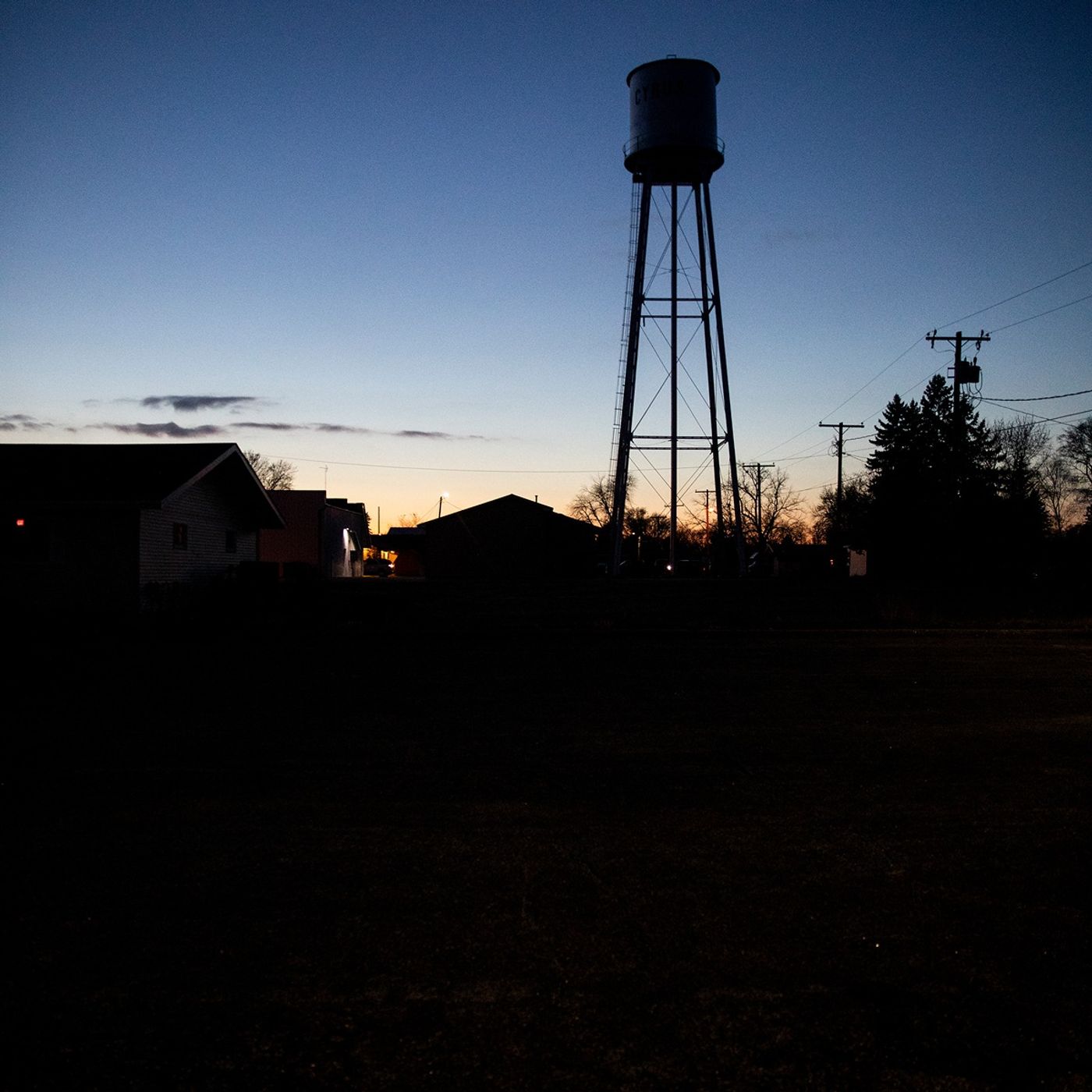
Photo: Jenn Ackerman for The New York Times
For more information on today’s episode, visit nytimes.com/thedaily. Transcripts of each episode will be made available by the next workday.
Subscribe today at nytimes.com/podcasts or on Apple Podcasts and Spotify. You can also subscribe via your favorite podcast app here https://www.nytimes.com/activate-access/audio?source=podcatcher. For more podcasts and narrated articles, download The New York Times app at nytimes.com/app.
Hosted by Simplecast, an AdsWizz company. See pcm.adswizz.com for information about our collection and use of personal data for advertising.