

🤖 AI Summary
Overview
This episode delves into the covert operations of a Russian spy network, the 20th Directorate, which has been smuggling high-tech components from Japan to sustain Russia's war effort in Ukraine. Investigative journalist Jane Bradley uncovers the intricate web of espionage, logistics, and weak enforcement that has enabled Russia to bypass sanctions and acquire critical technology.
Notable Quotes
- Japan is a critical supplier of the Russian war machine.
– Jane Bradley, on the surprising role of Japanese components in Russian weapons.
- Japan is known as a spy paradise.
– Jane Bradley, highlighting Japan's vulnerabilities due to its fragmented intelligence infrastructure.
- If Japan takes meaningful action, it has a real opportunity to change the course of a war that has raged on for four years now.
– Jane Bradley, on the stakes of Japan addressing its espionage problem.
🛰️ Russia’s High-Tech War Effort
- Despite sanctions designed to block access to advanced technology, Russia continues to deploy sophisticated drones and missiles in Ukraine.
- These weapons rely on components like semiconductors and microchips, which Russia cannot produce domestically.
- Investigations revealed that 90% of Russian weapons contain Japanese components, even though Japan has imposed sanctions against Russia.
🕵️♂️ The 20th Directorate: Russia’s Sanctions-Busting Spy Unit
- The GRU’s 20th Directorate is a specialized unit tasked with evading sanctions and smuggling critical technology into Russia.
- Maxim Filchenkov, a GRU officer operating under the cover of Aeroflot in Tokyo, was identified as a key figure in this operation.
- Filchenkov developed relationships with mid-sized Japanese logistics companies, often targeting those with Russian ties, to facilitate the smuggling of components.
🇯🇵 Japan’s Role and Vulnerabilities
- Japan’s advanced manufacturing capabilities make it a prime target for Russian espionage.
- Weak espionage laws and the absence of a centralized intelligence agency have made Japan a spy paradise.
- Dozens of Russian spies have reportedly relocated to Japan, exploiting its lax counterintelligence environment.
📦 The Smuggling Network
- Russian spies use third-party countries like Vietnam and Sri Lanka as intermediaries to bypass direct sanctions.
- Logistics companies, such as Proko Air, were implicated in shipping sanctioned goods under the guise of medical equipment or other legal exports.
- A key breakthrough in the investigation came when Jane Bradley uncovered an invoice revealing shipments to a sanctioned Russian pharmaceutical company.
⚖️ Japan’s Response and Global Implications
- Despite warnings from Ukraine and Western intelligence agencies, Japan has been slow to act against the smuggling network.
- Following the publication of the investigation, Japan began investigating Filchenkov and his associates, prompting Filchenkov to flee the country.
- Cutting off the supply of Japanese components could significantly hinder Russia’s ability to sustain its war effort, but systemic changes in Japan’s intelligence and enforcement are necessary to achieve this.
AI-generated content may not be accurate or complete and should not be relied upon as a sole source of truth.
📋 Episode Description
Ukraine is running desperately low on interceptor missiles, leaving its cities and people nearly defenseless against Russian missile and drone attacks. How Russia has been able to sustain those attacks has been a mystery — until now.
Today, Jane Bradley, a Britain-based investigative reporter for The New York Times, explains her investigation into the spy network that has allowed the Kremlin to keep this war going.
Guest: Jane Bradley, a Britain-based investigative reporter for The New York Times.
Background reading:
- A Russian spy who used the Aeroflot office in Tokyo to smuggle high-tech weapon components into Russia has left Japan after a Times report.
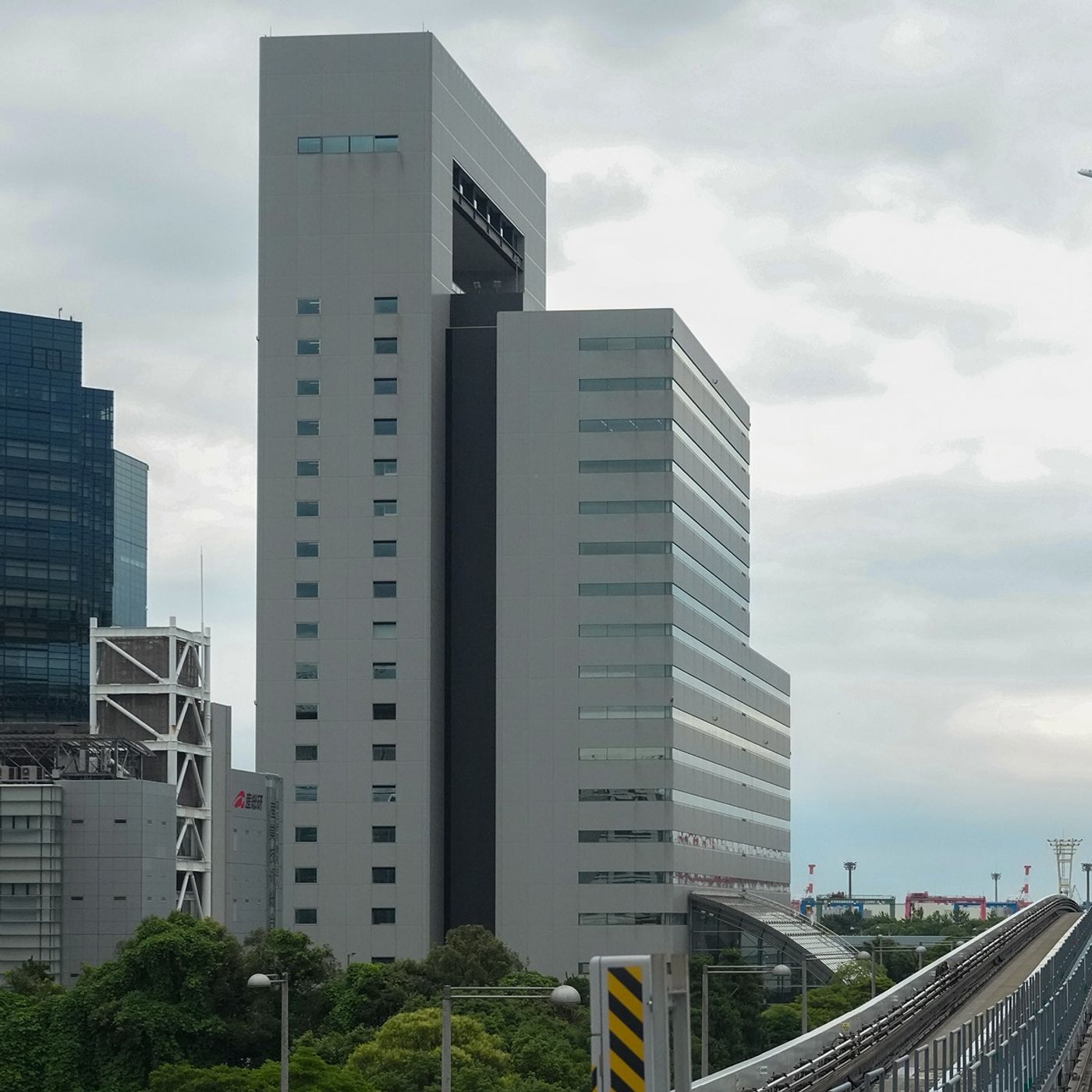
- Operating out of a Tokyo high-rise, a military intelligence unit takes advantage of Japan’s weak espionage laws to find the high-tech equipment that Russia needs to wage war.
Photo: Chang W. Lee/The New York Times
For more information on today’s episode, visit nytimes.com/thedaily. Transcripts of each episode will be made available by the next workday.
Subscribe today at nytimes.com/podcasts or on Apple Podcasts and Spotify. You can also subscribe via your favorite podcast app here https://www.nytimes.com/activate-access/audio?source=podcatcher. For more podcasts and narrated articles, download The New York Times app at nytimes.com/app.
Hosted by Simplecast, an AdsWizz company. See pcm.adswizz.com for information about our collection and use of personal data for advertising.