

🤖 AI Summary
Overview
This episode delves into the rise of Mojtaba Khamenei as Iran's new supreme leader amidst war with the United States and Israel. It explores the behind-the-scenes power struggles, the factions vying for control, and the implications of his appointment for Iran's future.
Notable Quotes
- The Islamic Revolution came about to end monarchy rule, yet here we are with power being passed from father to son.
– Farnaz Fassihi, on the irony of Mojtaba Khamenei's appointment.
- This is wartime. The circumstances are extreme, and our former supreme leader is considered a martyr. Who better to lead than his son?
– Farnaz Fassihi, explaining the hardliners' rationale for Mojtaba's selection.
- Fear and anxiety have replaced hope. Every night, Iranians hear explosions louder and closer than before.
– Farnaz Fassihi, on the war's impact on the Iranian public.
🛡️ The Succession Battle: Power Struggles Behind Mojtaba Khamenei's Rise
- Mojtaba Khamenei's appointment as supreme leader surprised even insiders, as the Islamic Revolution was founded on rejecting hereditary power.
- The Assembly of Experts, tasked with selecting the leader, faced intense lobbying from moderates and hardliners.
- Moderates argued for a reformist candidate to signal change amidst war and protests, proposing figures like Hassan Rouhani and Hassan Khomeini.
- Hardliners, led by the Revolutionary Guards, pushed for Mojtaba, citing wartime defiance and continuity of revolutionary ideology.
⚔️ Game of Thrones in Tehran: Intrigue and Drama in the Selection Process
- The selection process mirrored a succession war,
with factions vying for influence.
- Moderates presented shocking evidence, including testimony and a sealed letter allegedly stating Ayatollah Khamenei did not want his son to succeed him.
- Hardliners countered with emergency votes and direct lobbying, ultimately securing Mojtaba's appointment.
- The announcement was delayed due to threats from the U.S. and Israel, highlighting the precariousness of the decision.
📜 Mojtaba Khamenei: A Mysterious Figure with Hardline Credentials
- Mojtaba grew up immersed in revolutionary ideology, fought in the Iran-Iraq war, and built alliances with powerful generals.
- He played a key role in the 2009 Green Movement crackdown, solidifying his hardline reputation.
- Despite his behind-the-scenes influence, he remains largely unknown to the public, with no outreach or public appearances since his appointment.
🔥 War and Defiance: Iran's Post-Appointment Stance
- Mojtaba's leadership has been marked by aggressive policies, including attacks on regional allies of the U.S. and shutting down the Strait of Hormuz.
- His statements emphasize continuity with his father's hardline strategies, fueling fears of escalating conflict.
- Some supporters liken him to Mohammed bin Salman, suggesting he could surprise with reform, though evidence points to a more hardline trajectory.
😔 Public Sentiment: Fear and Disillusionment Amidst War
- The war has crushed hopes for change among Iranians, with widespread fear and devastation replacing optimism.
- Many view Mojtaba's rise as a bitter irony, blaming U.S. and Israeli actions for inadvertently strengthening the regime's hardline grip.
- Texts from Iranians describe nightly bombings and growing anxiety, underscoring the human toll of the conflict.
AI-generated content may not be accurate or complete and should not be relied upon as a sole source of truth.
📋 Episode Description
At the heart of the Iranian regime’s defiant stance toward the United States and Israel in the war is Mojtaba Khamenei, the new supreme leader and a son of Ayatollah Ali Khamenei, the regime’s longtime ruler.
Farnaz Fassihi, who covers Iran for The New York Times, discusses the extraordinary jockeying that led to his selection and whether the United States and Israel helped motivate Iran to replace one hard-line leader with another.
Guest: Farnaz Fassihi, the United Nations bureau chief for The New York Times. She also covers Iran and how countries around the world deal with conflicts in the Middle East.
Background reading:
- Inside the deliberations, power plays and rivalries that led to the ascension of the younger Khamenei.
- Who is Iran’s new supreme leader?
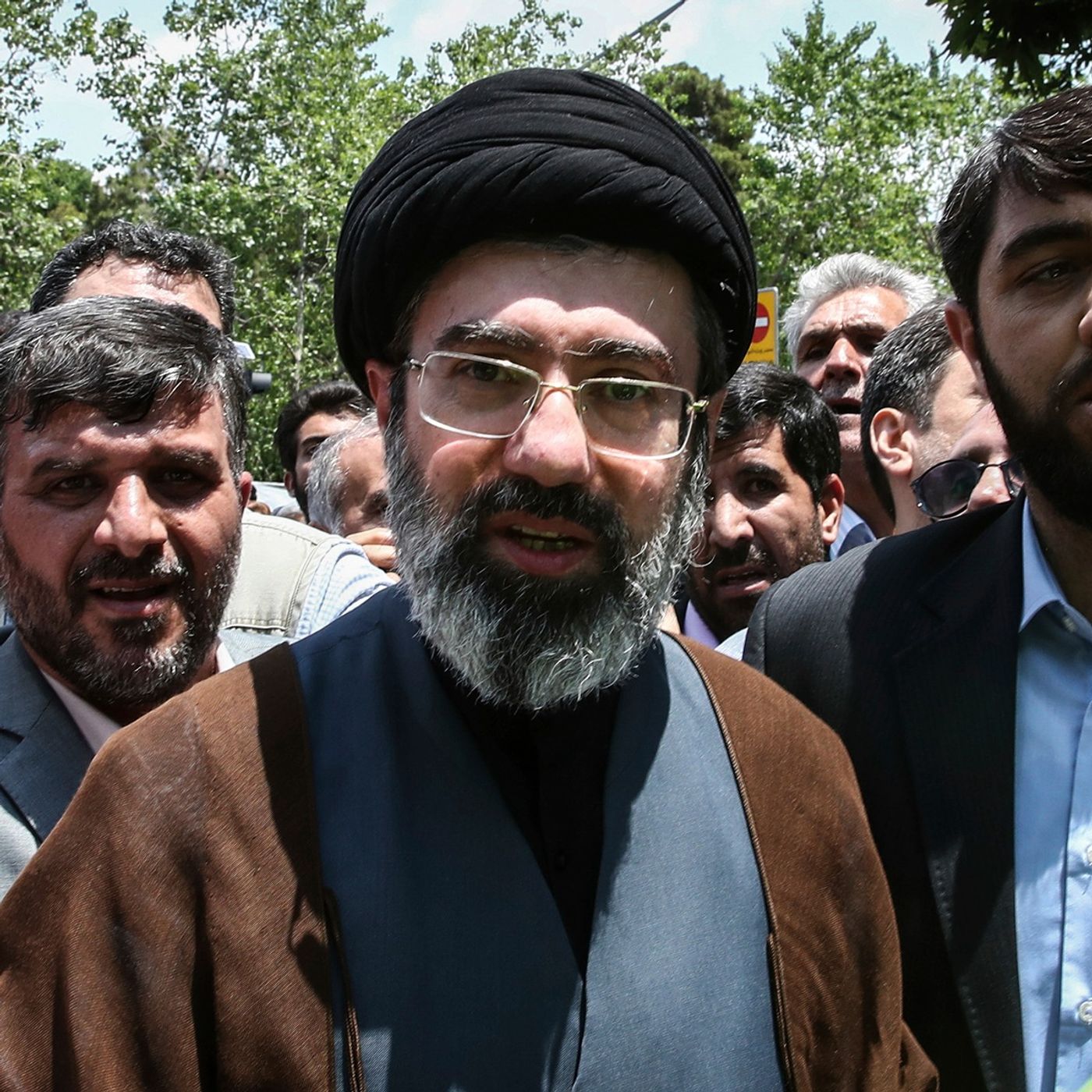
Photo: Saeid Zareian/picture-alliance/dpa, via Associated Press Images
For more information on today’s episode, visit nytimes.com/thedaily. Transcripts of each episode will be made available by the next workday.
Subscribe today at nytimes.com/podcasts or on Apple Podcasts and Spotify. You can also subscribe via your favorite podcast app here https://www.nytimes.com/activate-access/audio?source=podcatcher. For more podcasts and narrated articles, download The New York Times app at nytimes.com/app.
Hosted by Simplecast, an AdsWizz company. See pcm.adswizz.com for information about our collection and use of personal data for advertising.