

🤖 AI Summary
Overview
This episode explores the economic ripple effects of the ongoing war in Iran, focusing on surging commodity prices, shifts in energy consumption, and evolving consumer behaviors. Key topics include the rising costs of aluminum and coal, the potential boost to electric vehicle adoption, the consolidation of food brands in the grocery industry, and the growing reliance on plasma donation as a financial safety net.
Notable Quotes
- You go to a restaurant and the lobster on the menu will say, 'Market rate.' We don't get to say that on our components.
– Brendan Moore, on the challenges of adjusting aluminum prices in manufacturing.
- It's just natural for those economies to try to switch back to coal as much as possible.
– Amin Mohseni-Chiraglu, on Asia's energy pivot amidst rising natural gas prices.
- It's kind of a shadow safety net... plasma donation is a way for people to survive in this economy.
– Curtis Lee, on the growing prevalence of plasma donation among middle-class Americans.
🛠️ Aluminum Price Surge and Business Adaptation
- Aluminum prices have risen 10% since the war began, driven by attacks on smelters, energy costs, and the closure of the Strait of Hormuz.
- Brendan Moore, co-owner of Wolf Tooth Components, explains that 90% of their bike parts rely on aluminum. Despite rising costs, they’ve chosen to absorb the increase rather than risk alienating customers with price hikes.
- Businesses like Mavericks Manufacturing Partners have adopted a pass-through
strategy, passing costs to customers, as CEO Chris Blench notes that competitors face the same challenges.
- Supply chain disruptions are also causing shortages, with some manufacturers in Japan and South Korea cutting production due to limited access to Middle Eastern aluminum.
🌍 Coal's Comeback Amid Energy Shifts
- Rising natural gas prices have prompted countries like China, India, and South Korea to revert to coal, despite prior efforts to phase it out.
- Some nations are reactivating coal plants or suspending climate laws to meet energy demands.
- Experts like Kenneth Gillingham of Yale warn of increased emissions in the short term but suggest this energy crisis could accelerate investment in renewables over the long term.
🚗 Electric Vehicles and High Gas Prices
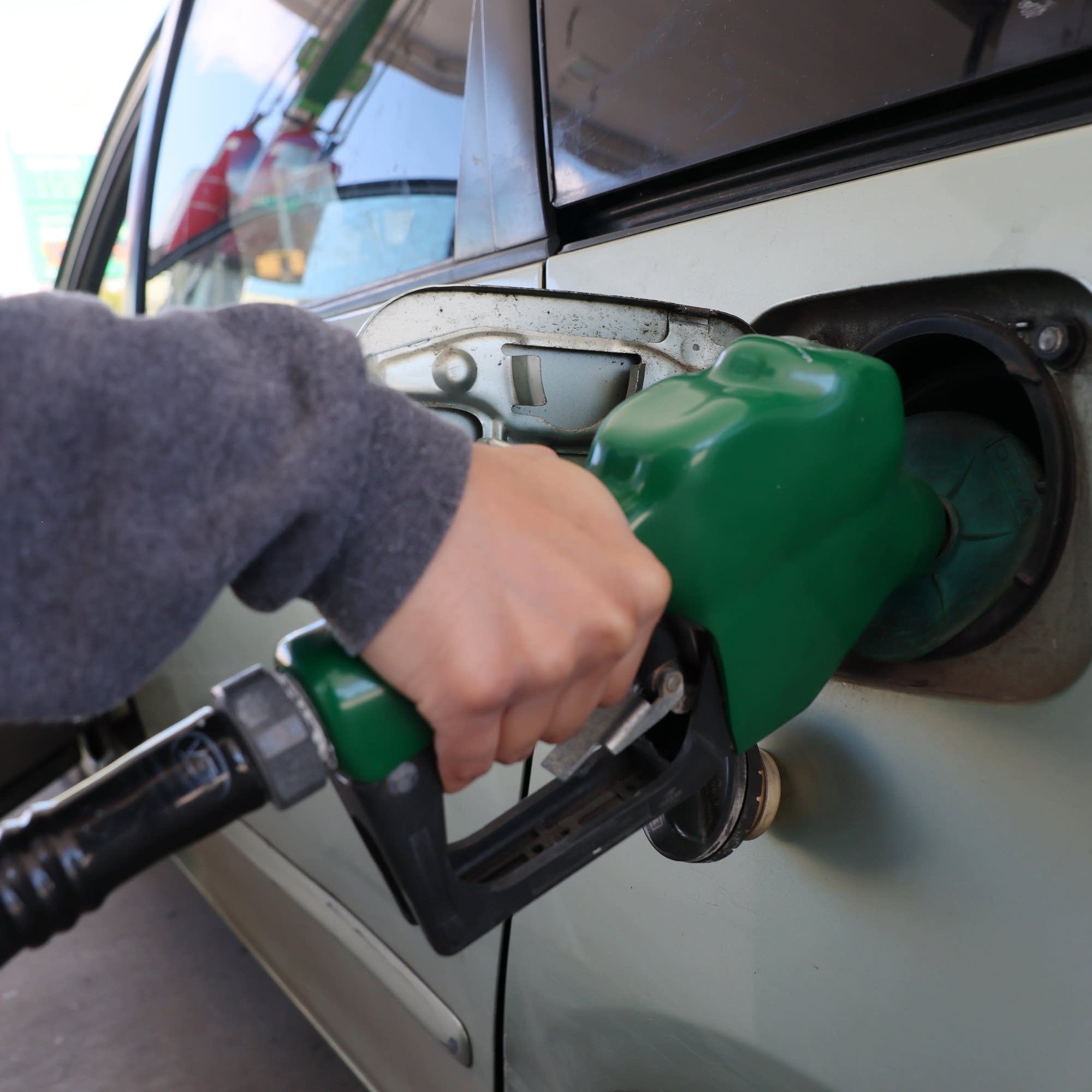
- Gas prices exceeding $4 per gallon have sparked renewed interest in electric vehicles (EVs), with platforms like Edmunds reporting a rise in consumer inquiries.
- Despite this, barriers such as high upfront costs, limited charging infrastructure, and range anxiety persist.
- Automakers are responding with more affordable EV models, including options under $30,000 from Chevy and Nissan, and a growing market for used EVs is helping to lower entry costs.
🛒 Grocery Industry Consolidation
- Unilever has sold its food brands, including Hellman’s mayonnaise, to McCormick, marking a shift toward specialization in the grocery sector.
- Experts like Russell Zwonka highlight the challenges of managing both food and non-food products, while Ricky Volpe notes changing consumer preferences for fresh, ready-to-eat options over packaged goods.
- Consolidation may lead to higher prices as companies gain more market power in their niches.
💉 Plasma Donation as a Financial Lifeline
- Rising living costs have driven middle-class Americans to donate plasma for extra income, a trend traditionally associated with lower-income communities.
- Curtis Lee reports that plasma centers have doubled in number since 2014, increasingly appearing in suburban areas.
- Donors like Joseph Briseno earn around $70 per visit, with many relying on this shadow safety net
to make ends meet.
- The U.S. collects 70% of the world’s plasma, driven by its unique allowance for paid donations, making it a lucrative industry for companies like CSL.
AI-generated content may not be accurate or complete and should not be relied upon as a sole source of truth.
📋 Episode Description
One glaring result of President Trump’s war on Iran, one month in? High oil prices. If fuel stays expensive, the cost could ripple through the global economy. Analysts think the market for electric vehicles in the U.S. could see a boost, for example, as gas prices shoot up. And countries in Asia may reopen coal production plants as crude oil becomes scarce. Also in this episode: Aluminum prices spike, Unilever sells off its food brands to a spice giant, and plasma centers see more middle-class donors.
Every story has an economic angle. Want some in your inbox? Subscribe to our daily or weekly newsletter.
Marketplace is more than a radio show. Check out our original reporting and financial literacy content at marketplace.org — and consider making an investment in our future.