
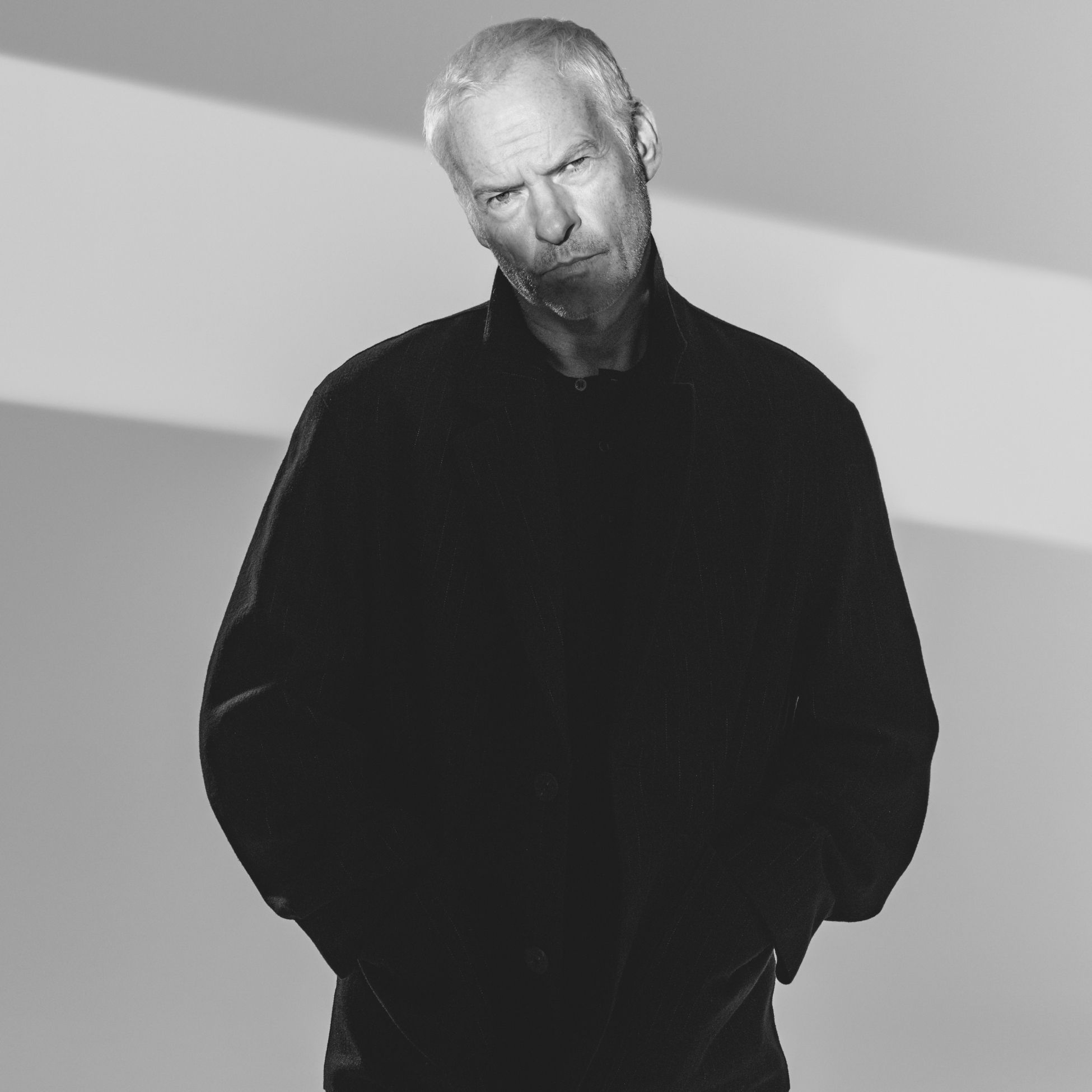
Martin McDonagh Has a Vision for Hope. It's Not for the Faint of Heart.

🤖 AI Summary
Overview
This episode features a candid conversation with filmmaker and playwright Martin McDonagh, exploring his creative process, the provocative nature of his work, and his views on politics, art, and legacy. Known for his dark humor and sharp storytelling, McDonagh reflects on the intersection of art and morality, the evolution of his career, and the personal philosophies that shape his work.
Notable Quotes
- Making art at all is always hopeful, I think, even if it’s dark art.
– Martin McDonagh, on the inherent optimism in creating.
- The Pinochet regime is gone, and we still have Victor Jara’s songs. So that’s something.
– Martin McDonagh, on the enduring power of art to outlast oppressive regimes.
- I was brought up having to watch English plays, which is like people drinking cups of tea for 2 1/2 hours. And I always wanted to shoot them.
– Martin McDonagh, on his early frustrations with traditional theater.
🎥 The Politics of Wild Horse Nine
- McDonagh’s latest film, Wild Horse Nine, centers on two CIA agents involved in the U.S.-backed coup in Chile, reflecting on America’s historical role in global politics.
- He critiques the simplistic good vs. evil
narrative often associated with Western powers, particularly the U.S. and its portrayal of the CIA as heroes.
- McDonagh acknowledges the film’s political undertones but emphasizes that his characters are not mouthpieces for his personal beliefs. Instead, he aims to present multiple perspectives, even those he disagrees with.
🎭 Art, Provocation, and Offense
- McDonagh distinguishes between being outrageous
and offensive,
arguing that the former seeks to provoke thought and delight, while the latter aims to harm.
- He reflects on how societal sensitivities around language and political correctness have intensified, noting recent requests to alter older works to avoid offending modern audiences.
- Despite criticism, McDonagh maintains that his work is morally grounded and that provocation is essential to his storytelling.
🎸 Punk Rock Roots and Anti-Establishment Ethos
- McDonagh credits punk rock, particularly The Clash, with shaping his worldview and inspiring him to question authority, including religion and societal norms.
- He recalls losing his Catholic faith at 12, influenced by punk’s anti-establishment messages, and how this rebellious spirit continues to inform his work.
- While he acknowledges his youthful arrogance, he sees his early defiance as a way to make his voice heard in a world that offered him few opportunities.
🎬 Legacy, Hope, and the Role of Art
- McDonagh views creating art as a hopeful act, aiming to leave behind meaningful work that entertains, educates, and provokes thought.
- He contrasts the ephemeral nature of theater with the permanence of film, which allows his work to reach broader audiences and endure over time.
- Reflecting on his career, McDonagh expresses a desire to balance his punk rock roots with his current success, using his platform to create impactful art.
💔 Male Friendships and Ethical Dilemmas
- McDonagh explores the complexities of male friendships in his films, portraying them as deep, emotional, and often fraught with ethical challenges.
- He discusses the importance of showing the vulnerability and tenderness in male relationships, which are often overlooked in mainstream media.
- The conversation delves into personal experiences with ethical dilemmas, including the host’s reflections on a friend’s suicide, highlighting the emotional depth McDonagh seeks to capture in his work.
AI-generated content may not be accurate or complete and should not be relied upon as a sole source of truth.
📋 Episode Description
The writer-director, known for his dark and bleak work, believes in film’s power to change our lives.
- Thoughts? Email us at [email protected]
- Watch our show on YouTube: youtube.com/@TheInterviewPodcast
- For transcripts and more, visit: nytimes.com/theinterview
For more information on today’s episode, visit nytimes.com/thedaily. Transcripts of each episode will be made available by the next workday.
Subscribe today at nytimes.com/podcasts or on Apple Podcasts, Spotify and Amazon Music. You can also subscribe via your favorite podcast app here https://www.nytimes.com/activate-access/audio?source=podcatcher. For more podcasts and narrated articles, download The New York Times app at nytimes.com/app.
Hosted by Simplecast, an AdsWizz company. See pcm.adswizz.com for information about our collection and use of personal data for advertising.