

🤖 AI Summary
Overview
This episode explores the rising rates of early-onset cancer in adults under 50, delving into the personal, societal, and scientific dimensions of this troubling trend. Health reporter Nina Agrawal shares insights from her research, including personal stories of young cancer survivors and emerging hypotheses about environmental and lifestyle factors driving these increases.
Notable Quotes
- It's just like this perfect storm of stealing your femininity when you're supposed to be feeling kind of like at your height of womanhood in some ways.
– Whitney Johnson, on the emotional toll of cancer treatment.
- People want to help you, but also they might be really bad at it. You're so totally alone and really are in charge of yourself.
– Whitney Johnson, on the isolation of battling cancer as a young adult.
- It's totally crazy and unfair... but at the population level, pregnancy at a younger age and breastfeeding are protective against breast cancer in the long run.
– Nina Agrawal, on the societal shifts linked to breast cancer risk.
🧬 Rising Rates of Early-Onset Cancer
- Early-onset cancer refers to diagnoses in adults under 50, a demographic historically considered low-risk.
- Rates of certain cancers, including breast, colorectal, uterine, and pancreatic, have been rising annually since 1990, with some increasing by as much as 6% per year.
- This trend disrupts young adults' lives at critical stages, affecting careers, relationships, and family planning.
💔 Personal Stories of Young Survivors
- Whitney Johnson, diagnosed with triple-negative breast cancer at 36, shared how her diagnosis upended her life, including her relationship and plans for the future.
- The emotional toll of losing her hair and undergoing a double mastectomy challenged her sense of femininity and identity.
- Many young survivors report feeling isolated, as their peers move forward with milestones like marriage and parenthood while they grapple with illness and uncertainty.
🌍 Environmental and Lifestyle Factors
- Researchers are investigating links between early-onset cancer and factors like obesity, alcohol consumption, poor diet, and exposure to plastics and forever chemicals.
- Emerging evidence suggests that environmental exposures may alter genes early in life, potentially increasing cancer risk decades later.
- For example, certain E. coli infections in early childhood may leave genetic mutations that predispose individuals to colorectal cancer.
🩸 The Role of Hormones and Reproductive Choices
- Changes in reproductive patterns, such as earlier menstruation and delayed first pregnancies, may increase breast cancer risk by extending the period of hormonal activity and cell proliferation.
- Pregnancy and breastfeeding appear to have protective effects, but these findings highlight societal shifts rather than individual blame.
🤔 The Search for Answers and Support
- Despite growing research, the causes of early-onset cancer remain elusive, and most patients will never know exactly why they were affected.
- Survivors like Whitney emphasize the loneliness of their experience and the lack of societal understanding about the long-term impact of cancer at a young age.
- Many hope that sharing their stories will foster greater awareness and support for others facing similar challenges.
AI-generated content may not be accurate or complete and should not be relied upon as a sole source of truth.
📋 Episode Description
For years, cancer has been seen as a disease people mostly get when they’re older. That seems to be changing as more young people are getting cancer than ever before.
Today, Nina Agrawal, a health reporter for The New York Times, explains what scientists are learning about the factors driving the rise and what it means for a generation of young cancer survivors.
Guest: Nina Agrawal, a health reporter for The New York Times.
Background reading:
- Hundreds of New York Times readers shared their experiences with early-onset cancers. Here are seven of their stories.
- Research is starting to offer clues about why more than a dozen types of cancer have increased among people under 50 in the past decade.
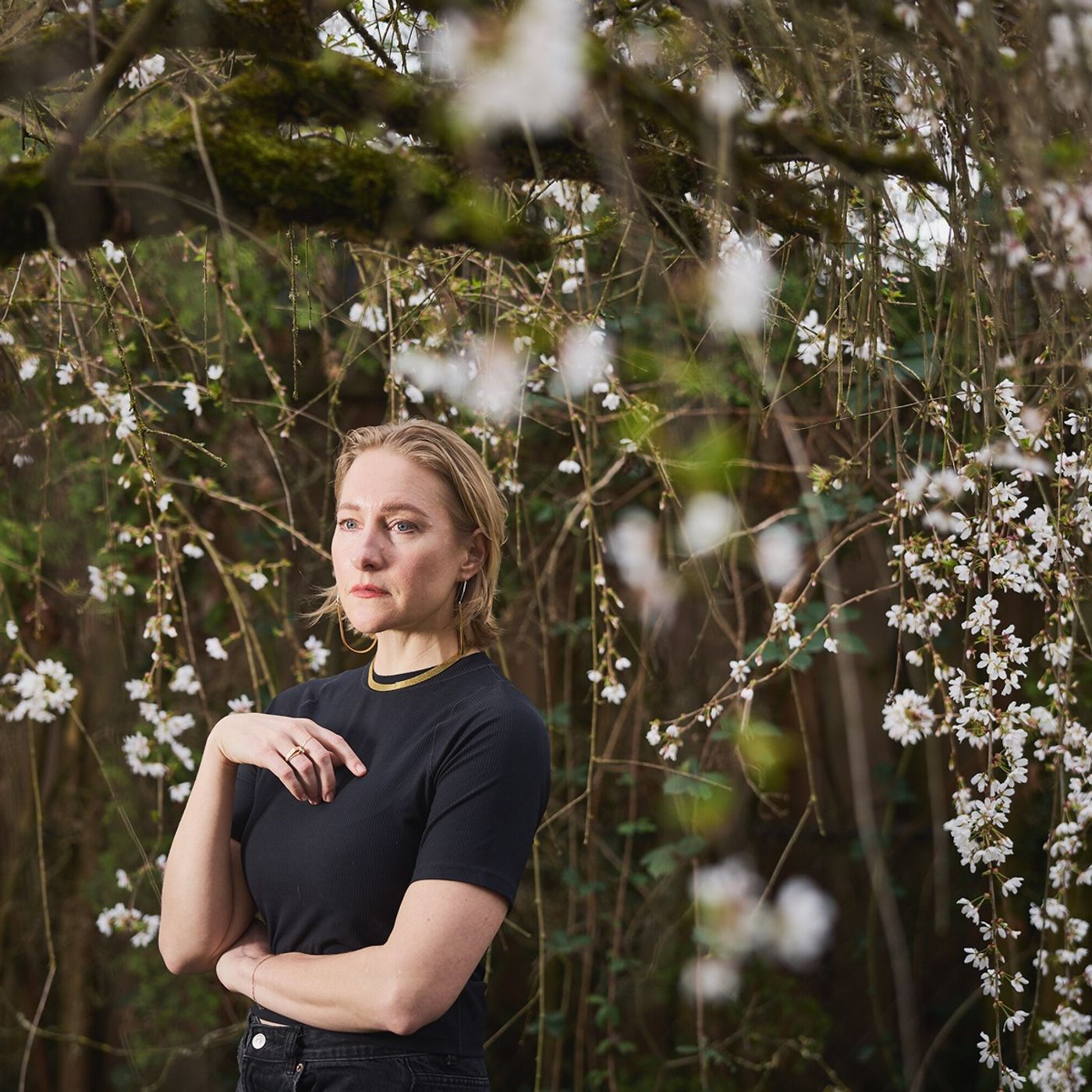
Photo: Leah Nash for The New York Times
For more information on today’s episode, visit nytimes.com/thedaily. Transcripts of each episode will be made available by the next workday.
Subscribe today at nytimes.com/podcasts or on Apple Podcasts and Spotify. You can also subscribe via your favorite podcast app here https://www.nytimes.com/activate-access/audio?source=podcatcher. For more podcasts and narrated articles, download The New York Times app at nytimes.com/app.
Hosted by Simplecast, an AdsWizz company. See pcm.adswizz.com for information about our collection and use of personal data for advertising.