

🤖 AI Summary
Overview
This episode explores the economic challenges of wage stagnation amid rising inflation, the resurgence of home cooking as a cost-saving measure, innovative approaches to housing reconstruction, the surprising profitability of legacy tech brands, and the revival of historic movie theaters.
Notable Quotes
- A 3.4% raise sounds great until you notice that what you buy is increasing at 4%. So that's not a pay bump, that's a pay cut.
– Christina Sargent, on the impact of inflation on wages.
- When do you see a house getting moved? It doesn’t get old—it’s incredible to see a big piece of a house trucked across town.
– Morgan Sykes-Jebusch, on relocating homes to address housing and environmental challenges.
- I want to be the cheapest thing—almost cheaper than going to the park.
– Jordan Stancil, on his pricing philosophy for revitalized movie theaters.
📉 Inflation and Wage Stagnation
- The Consumer Price Index (CPI) for May shows inflation at 3.8%, outpacing the 3.4% growth in average hourly wages, effectively reducing workers' purchasing power.
- Christina Sargent explains how rising costs negate wage increases, turning perceived raises into pay cuts.
- Economists like Michael Puglisi and Pavlina Chernova discuss the Federal Reserve's dilemma: balancing inflation control with the economic strain on workers.
- The Fed may delay interest rate hikes, hoping for normalization in energy prices and supply chains, but workers face immediate financial pressures.
🍲 Home Cooking and Consumer Behavior
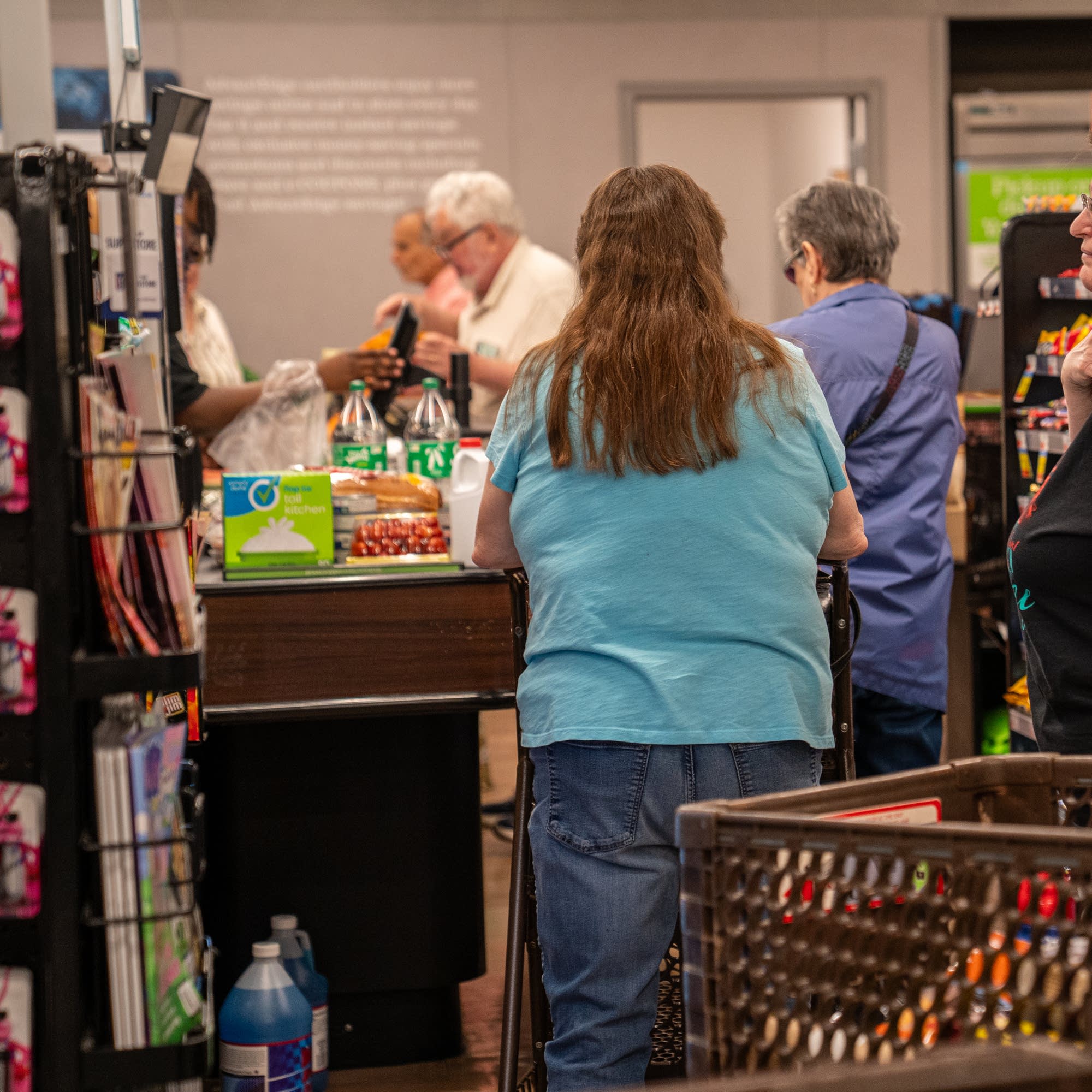
- Inflation has driven more people to cook at home, benefiting companies like Campbell’s, whose products like broths and condensed soups are staples for semi-scratch
cooking.
- Christine McDaniel, an economist, shares how cooking at home, even for her pets, has become a cost-saving strategy amid stagnant wages.
- Social media has amplified the trend, with people showcasing their homemade meals for inspiration and bragging rights,
according to Diana Rosera Pena.
🏠 Innovative Housing Solutions
- Architect Morgan Sykes-Jebusch discusses relocating homes as a sustainable and cost-effective alternative to new construction, particularly in fire-damaged areas like Altadena.
- Relocating homes preserves architectural character, reduces landfill waste, and addresses housing shortages.
- While the process is cheaper than new builds (averaging $350 per square foot vs. $450–$650), it still requires significant time and effort.
📈 Legacy Tech Brands and Profitability
- Companies like AOL, Vimeo, and Eventbrite, now owned by Bending Spoons, are surprisingly profitable due to data monetization and operational consolidation.
- Rita McGrath notes that AOL’s loyal user base provides valuable consumer data, which Bending Spoons leverages for revenue.
- The company’s IPO aims to fund further acquisitions, capitalizing on the AI boom and the profitability of selling data.
🎥 Reviving Historic Movie Theaters
- Jordan Stancil, a former diplomat, has revitalized historic theaters like the 400 Theater in Chicago, emphasizing affordability and community engagement.
- His pricing strategy ensures accessibility, with tickets as low as $5 for kids and $6 on Tuesdays.
- Stancil’s commitment to preserving the legacy of cinema reflects his family’s century-long involvement in the theater business.
AI-generated content may not be accurate or complete and should not be relied upon as a sole source of truth.
📋 Episode Description
Averages wages grew 3.4% year over year, but at the same time, inflation as measured by the consumer price index, has been eating away at those gains. Workers don’t want to lose purchasing power — rising inflation will feel like a pay cut — but the Fed may see things a bit differently. Plus: Home cooks are a bright spot in Campbell’s soup sales, the owner of Vimeo, AOL, and WeTransfer files for an IPO, and a former diplomat rehabs old movie theaters.
Every story has an economic angle. Want some in your inbox? Subscribe to our daily or weekly newsletter.
Marketplace is more than a radio show. Check out our original reporting and financial literacy content at marketplace.org — and consider making an investment in our future.