

🤖 AI Summary
Overview
This episode explores the long-term economic and geopolitical impacts of the war in Iran, focusing on the destruction of critical liquefied natural gas (LNG) infrastructure in the Persian Gulf. Patricia Cohen, a global economics correspondent, explains how these disruptions are reshaping global energy markets, driving inflation, and threatening economic stability worldwide.
Notable Quotes
- One guy on a speedboat with a bomb in the Strait of Hormuz could screw up all international shipping.
– Patricia Cohen, on the vulnerability of global energy infrastructure.
- If energy prices stay high, it’s going to be very difficult to avoid a recession.
– Patricia Cohen, on the ripple effects of prolonged energy disruptions.
- The Persian Gulf has been seen as a safe place to live, work, and invest. Now there’s a rumbling underneath—Is it really as safe as we thought?
– Patricia Cohen, on the shifting perception of Gulf states' stability.
🌍 The Global LNG Crisis
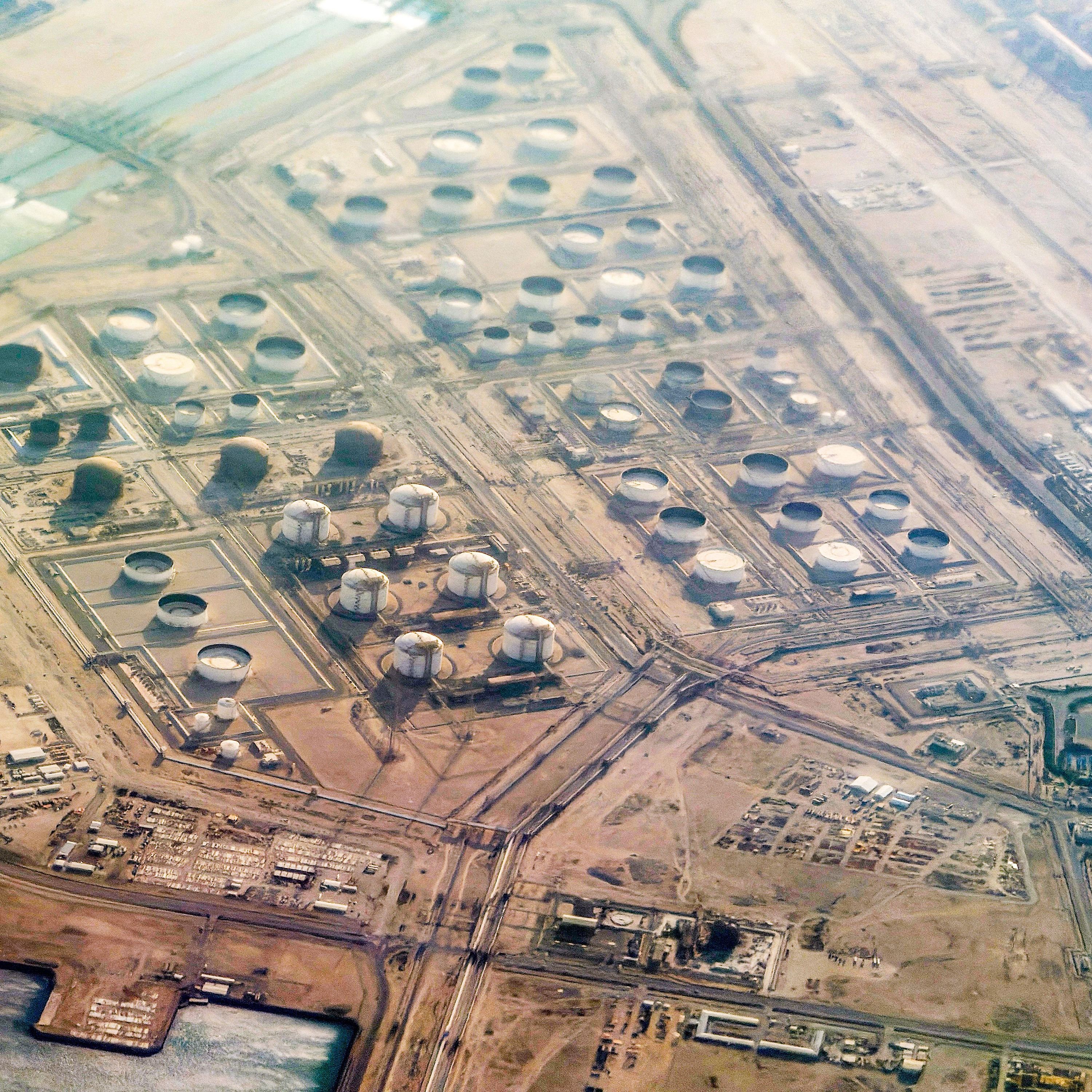
- Iran’s missile strike on Qatar’s Ras Laffan facility destroyed two LNG processing plants, eliminating nearly 20% of Qatar’s production capacity.
- LNG is critical for countries like Japan and South Korea, which rely on it for 20-30% of their electricity generation.
- The damage to infrastructure will take years to repair, prolonging the energy shock even if the war ends immediately.
📈 Economic Fallout and Inflation Risks
- Rising energy prices are driving inflation globally, affecting everything from transportation costs to food production.
- Fertilizer prices have soared, threatening food security in poorer nations.
- Central banks may raise interest rates to combat inflation, increasing borrowing costs and potentially stalling economic growth.
💡 Energy Alternatives and Renewables
- The crisis underscores the need for investment in renewable energy sources like solar, wind, and nuclear power to reduce dependence on LNG and oil.
- While renewables offer lower long-term costs, political and economic barriers, especially in the U.S., hinder their development.
📉 Recession Fears and Consumer Confidence
- High energy prices are eroding consumer spending, which drives 70% of the U.S. economy.
- Businesses are hesitant to invest due to uncertainty, creating a crisis of confidence
that could deepen economic instability.
- Analysts warn that prolonged high oil prices could push the global economy into recession.
⚠️ Geopolitical Instability and Investor Trust
- The Persian Gulf’s reputation as a safe investment hub is under threat, potentially deterring foreign capital.
- Iran’s effective retaliation highlights the changing nature of warfare, where small-scale attacks can have outsized global consequences.
- The war’s ripple effects are being felt worldwide, with the International Energy Agency calling it the greatest global energy security threat in history.
AI-generated content may not be accurate or complete and should not be relied upon as a sole source of truth.
📋 Episode Description
Since the war in Iran began, President Trump has insisted that rising energy prices would be temporary. But strikes on natural gas facilities in the Persian Gulf last week have made the prospect of a quick recovery seem less and less likely.
Patricia Cohen, the global economics correspondent for The New York Times, explains why the impacts may be felt for years.
Guest: Patricia Cohen, the global economics correspondent for The New York Times.
Background reading:
- Energy attacks in the war in Iran could turn economic shock into long-term damage.
- Here is why Iran’s attack on an energy hub in Qatar spooked investors.
Photo: Hannibal Hanschke/EPA, via Shutterstock
For more information on today’s episode, visit nytimes.com/thedaily. Transcripts of each episode will be made available by the next workday.
Subscribe today at nytimes.com/podcasts or on Apple Podcasts and Spotify. You can also subscribe via your favorite podcast app here https://www.nytimes.com/activate-access/audio?source=podcatcher. For more podcasts and narrated articles, download The New York Times app at nytimes.com/app.
Hosted by Simplecast, an AdsWizz company. See pcm.adswizz.com for information about our collection and use of personal data for advertising.