

🤖 AI Summary
Overview
This episode unpacks the dramatic shifts in U.S.-Iran relations over a single weekend, where hopes for a peace deal gave way to renewed military strikes. David E. Sanger and Tyler Pager provide insights into the Trump administration's approach to negotiations, the stakes surrounding the Strait of Hormuz, and the broader implications for U.S. foreign policy and domestic politics.
Notable Quotes
- The Iranians discovered this was an enormously powerful weapon they had never flexed before—massive leverage to disrupt the world economy.
- David E. Sanger, on Iran's strategic use of the Strait of Hormuz.
- 50-50: we're restarting the war, or we have a nuclear deal.
- Tyler Pager, summarizing the uncertainty within the White House over the weekend.
- The president announces a deal to claim a victory, but the details haven’t been worked out yet.
- Rachel Abrams, on Trump’s negotiation playbook.
🛢️ The Strait of Hormuz and Its Leverage
- The closure of the Strait of Hormuz, a critical chokepoint for global oil supply, has caused the largest energy disruption in modern history.
- David E. Sanger explains that reopening the strait is central to the proposed deal, but it only restores the pre-war status quo without addressing deeper issues like Iran's nuclear and missile programs.
- Both the U.S. and Iran are suffering economically—high gas prices in the U.S. and a blockade on Iranian ports—creating mutual incentives to negotiate.
⚔️ The Weekend Whiplash: From Peace Talks to Airstrikes
- Tyler Pager recounts how optimism for a peace deal turned into confusion as President Trump abruptly canceled plans to attend personal events, signaling potential developments.
- By Monday evening, the U.S. launched strikes on Iranian targets, citing defensive actions against perceived threats like missile sites and mine-laying operations.
- The strikes highlight the fragility of the ceasefire and the administration’s dual strategy of negotiation and military pressure.
📜 The Deal
That Wasn't
- Trump’s announcement of a deal was premature; key issues, such as the disposal of Iran’s highly enriched uranium, remain unresolved.
- David E. Sanger likens the proposed agreement to a memorandum of understanding
that punts substantive issues down the road.
- Critics, including Republican allies, argue that the administration risks achieving little after 38 days of combat operations.
🇮🇷 Iran’s Long Game and U.S. Political Calculations
- Iran is adept at prolonging negotiations, with David E. Sanger noting their strategy to outlast Trump’s term while retaining nuclear capabilities.
- Domestically, high gas prices are a political liability for Republicans ahead of midterm elections, pressuring the administration to reopen the strait quickly.
- Trump’s push for Arab nations to sign the Abraham Accords complicates negotiations, as many countries are unwilling to normalize relations with Israel.
🎯 The Trump Administration’s Negotiation Playbook
- The administration’s phased approach mirrors past deals, addressing immediate concerns (e.g., reopening the strait) while deferring harder issues like Iran’s nuclear ambitions.
- Rachel Abrams and David E. Sanger highlight a pattern where Trump announces deals prematurely to claim victories, banking on public attention waning before unresolved details resurface.
- The stakes are higher this time, as gas prices directly impact Americans and could sway voter sentiment in upcoming elections.
AI-generated content may not be accurate or complete and should not be relied upon as a sole source of truth.
📋 Episode Description
President Trump claimed over the long weekend that he was on the brink of a peace deal with Iran but offered few details. The United States then carried out new strikes against the country on Monday.
David E. Sanger and Tyler Pager, who cover the Trump administration for The New York Times, discuss what happened and the state of the peace negotiations.
Guest:
- David E. Sanger, a White House and national security correspondent for The New York Times.
- Tyler Pager, a White House correspondent for The New York Times.
Background reading:
- These are the words Mr. Trump has used about ending the Iran war.
- To get the Strait of Hormuz open, the president left the hardest issues for later.
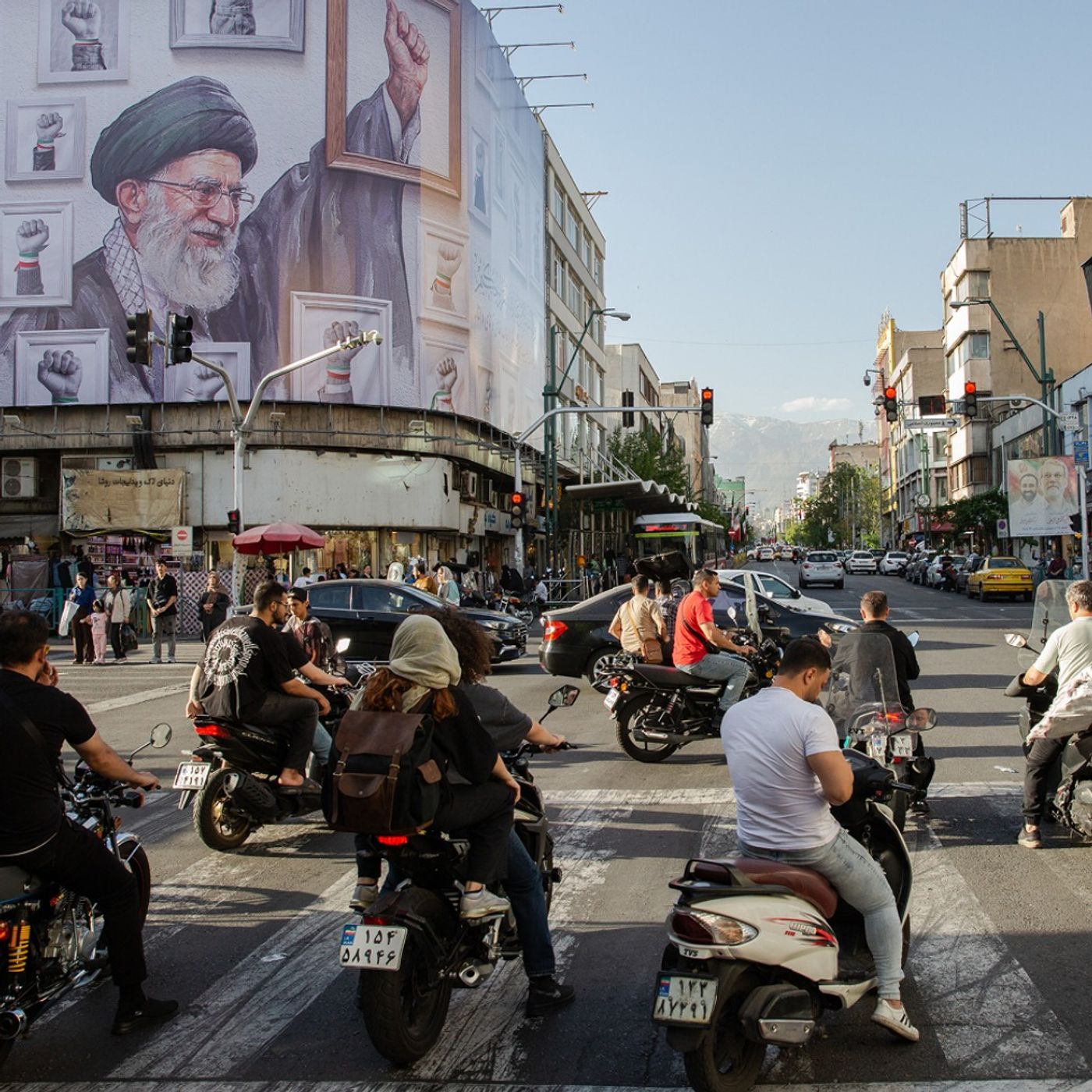
Photo: Arash Khamooshi/Polaris for The New York Times
For more information on today’s episode, visit nytimes.com/thedaily. Transcripts of each episode will be made available by the next workday.
Subscribe today at nytimes.com/podcasts or on Apple Podcasts and Spotify. You can also subscribe via your favorite podcast app here https://www.nytimes.com/activate-access/audio?source=podcatcher. For more podcasts and narrated articles, download The New York Times app at nytimes.com/app.
Hosted by Simplecast, an AdsWizz company. See pcm.adswizz.com for information about our collection and use of personal data for advertising.