

🤖 AI Summary
Overview
This episode explores the current state of the U.S. economy as the midterm elections approach, focusing on affordability challenges, inflation, interest rates, wages, and the broader economic landscape. Ben Casselman, chief economics correspondent for The New York Times, provides a detailed analysis of the data and its implications for voters and policymakers.
Notable Quotes
- There's a whole generation of people who believe that they will never be able to buy homes.
– Ben Casselman, on the impact of high mortgage rates.
- At the end of the day, what matters more to you than how far your paycheck goes and your ability to pay your rent and buy a house?
– Ben Casselman, on the centrality of affordability to voters' concerns.
- The economy is complicated. Presidents have limited control over it.
– Ben Casselman, addressing the limits of political influence on economic outcomes.
🛒 Inflation and Affordability
- Inflation remains a top concern for voters, with prices rising 3.7% in September, reversing earlier progress.
- Energy costs, particularly oil and gas prices, have surged due to geopolitical tensions, impacting everything from transportation to food production.
- Tariffs and international conflicts, such as the war with Iran, have exacerbated inflationary pressures.
- Affordability is measured through three key factors: inflation, interest rates, and wages. Together, these paint a challenging picture for many households.
📈 Interest Rates and Housing Market Struggles
- The Federal Reserve's efforts to combat inflation by raising interest rates have led to higher borrowing costs.
- Mortgage rates have soared to 7.5%, pricing many potential homebuyers out of the market.
- A generation of renters
has emerged, with many younger Americans feeling locked out of homeownership.
💵 Wage Stagnation and Labor Market Dynamics
- Wage growth has slowed to 3%, while inflation outpaces it, eroding the purchasing power of workers.
- The labor market is described as low hire, low fire,
with fewer opportunities for job mobility and wage increases.
- Despite a historically low unemployment rate of 4.2%, the labor market feels stagnant, limiting economic gains for workers.
🤖 Economic Strengths and AI Investment
- Business investment, particularly in AI and data centers, has been a bright spot, driving stock market growth and new business formation.
- However, the economy's reliance on AI raises concerns about potential vulnerabilities if enthusiasm for the sector wanes.
- Consumer spending remains surprisingly strong, buoyed by job stability and stock market gains, though disparities between wealthier and lower-income households persist.
👵 Generational and Structural Divides
- Older Americans, who benefit from paid-off homes, low fixed mortgage rates, and inflation-indexed Social Security, are faring better than younger generations.
- Younger voters face rising costs for housing, childcare, and other essentials, deepening generational economic divides.
- Many older voters express concern for their children and grandchildren, highlighting the intergenerational impact of economic challenges.
AI-generated content may not be accurate or complete and should not be relied upon as a sole source of truth.
📋 Episode Description
The economy is one of the most important issues for voters in the midterm elections. President Trump has been trying to persuade Americans that they are wrong to be frustrated about the cost of living.
Ben Casselman, the chief economics correspondent for The New York Times, explains what the latest economic data actually says.
Guest: Ben Casselman, the chief economics correspondent for The New York Times.
Background reading:
- Three charts that explain the economy as voters head to the polls.
- Higher energy prices lift U.S. inflation ahead of the midterms.
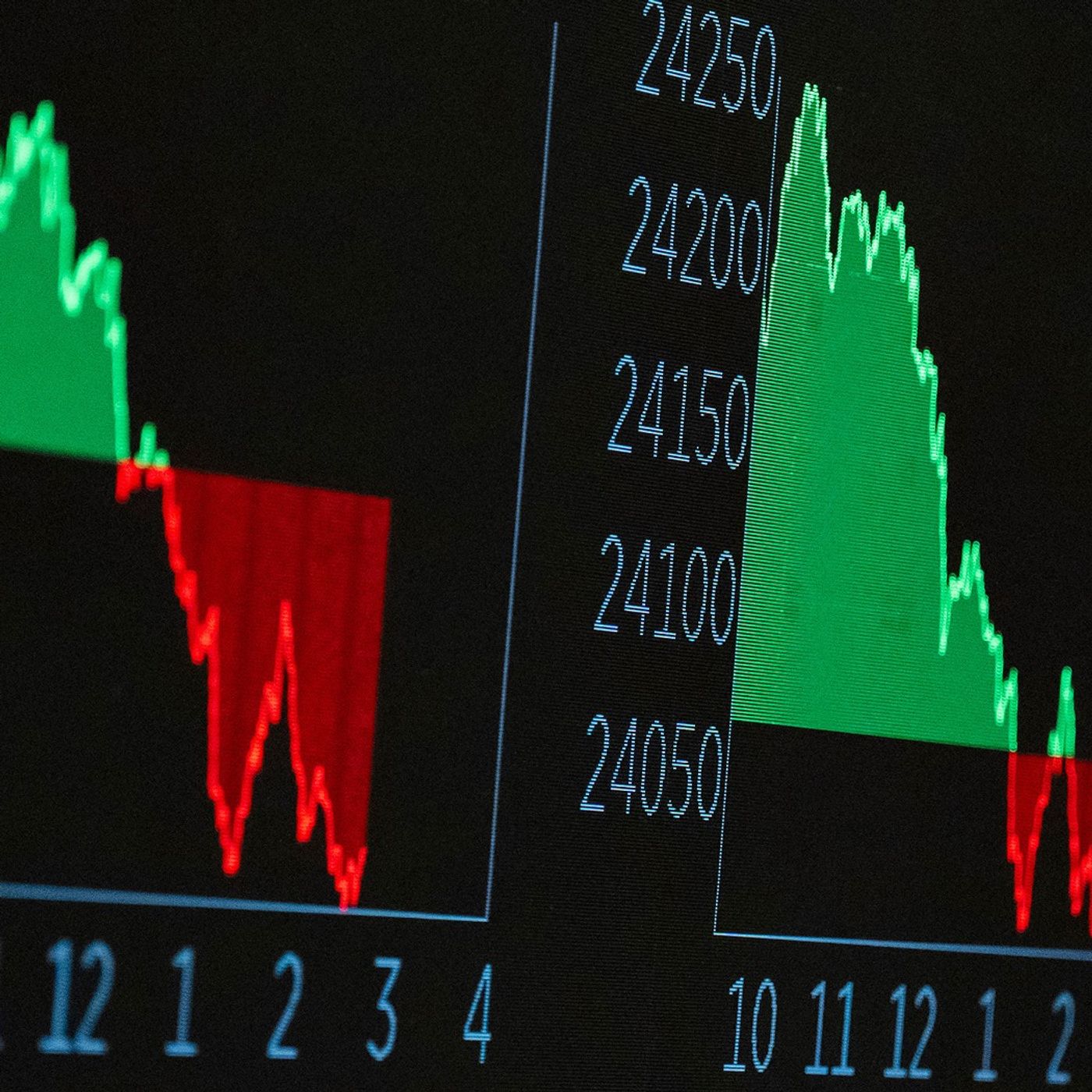
Photo: Yuki Iwamura/Associated Press
For more information on today’s episode, visit nytimes.com/thedaily. Transcripts of each episode will be made available by the next workday.
Subscribe today at nytimes.com/podcasts or on Apple Podcasts, Spotify and Amazon Music. You can also subscribe via your favorite podcast app here https://www.nytimes.com/activate-access/audio?source=podcatcher. For more podcasts and narrated articles, download The New York Times app at nytimes.com/app.
Hosted by Simplecast, an AdsWizz company. See pcm.adswizz.com for information about our collection and use of personal data for advertising.