

🤖 AI Summary
Overview
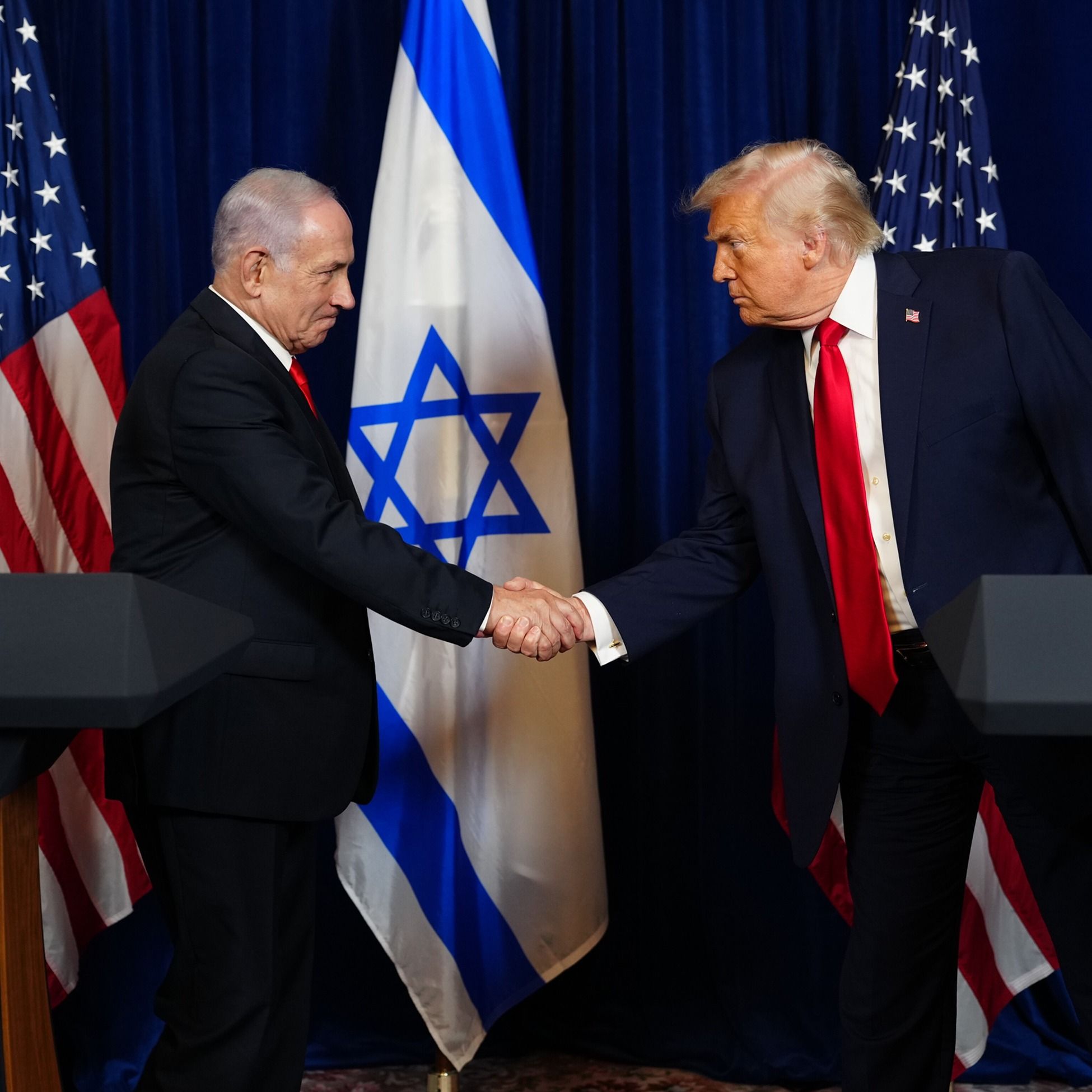
This episode explores the intricate dynamics between the United States and Israel leading up to the U.S. decision to strike Iran. It examines the role of Israeli Prime Minister Benjamin Netanyahu in influencing President Trump, the strategic calculations behind the joint military actions, and the broader implications for U.S. foreign policy and Middle Eastern stability.
Notable Quotes
- Netanyahu had begun something that only the United States could finish.
– Mark Mazzetti, on Israel's reliance on U.S. military capabilities.
- You can succeed where all the previous American presidents failed... You are the man.
– Ronen Bergman, on Netanyahu's persuasion tactics with Trump.
- Even with the support of the U.S., nothing is solved, and we are still living in a very risky region.
– Ronen Bergman, on the unresolved tensions in the Middle East.
🇮🇱 The Role of Netanyahu in Shaping U.S. Policy
- Netanyahu lobbied Trump persistently for a joint U.S.-Israeli strike on Iran, leveraging both strategic arguments and personal appeals.
- Historical mistrust between Trump and Netanyahu, stemming from political disagreements, did not deter Netanyahu's efforts.
- Netanyahu framed Iran as both an imminent threat and a weakened adversary, creating a dual narrative to justify immediate action.
- He reminded Trump of a personal threat from Iran, citing an alleged assassination plot disrupted by Israeli intelligence.
🛡️ Strategic Calculations Behind the War
- The U.S. joined the conflict after Israel initiated strikes, with Trump deciding based on perceived military success and public reception.
- Netanyahu argued that only U.S. military capabilities, such as bunker-buster bombs, could achieve decisive results.
- Trump was influenced by the success of a separate military operation in Venezuela, which emboldened his view of quick, impactful interventions.
- Despite initial resistance, Trump authorized strikes, declaring Iran's nuclear sites obliterated,
though experts doubted the long-term impact.
⚔️ Diverging Goals Between the U.S. and Israel
- While the U.S. sought a short, decisive engagement, Israel pushed for a prolonged campaign to dismantle Iran's military and missile capabilities.
- Netanyahu's focus extended to regime change and weakening Iran's regional influence, while Trump appeared less committed to long-term objectives.
- Both nations struggled to articulate clear endgames, with conflicting messages about supporting Iranian protesters versus military objectives.
🌍 Broader Implications for the Middle East
- The war has escalated regional tensions, drawing in NATO and leading to significant military actions, such as the sinking of an Iranian warship.
- Despite the U.S.-Israeli cooperation, key threats like Hezbollah, Hamas, and Iran's nuclear program remain unresolved.
- The conflict underscores the fragility of the region, with unresolved issues threatening to reignite violence at any moment.
🤔 Unanswered Questions and Political Calculations
- Trump's decision-making was shaped by a mix of strategic advice, political considerations, and personal motivations.
- Advisors presented risks, including potential casualties and economic disruptions, but largely supported military action.
- Critics like Tucker Carlson warned against the war, highlighting concerns about Israel's influence on U.S. foreign policy.
- Trump framed the war as a chance to succeed where past presidents failed, but the lack of a coherent strategy raises doubts about long-term outcomes.
AI-generated content may not be accurate or complete and should not be relied upon as a sole source of truth.
📋 Episode Description
The U.S. decision to strike Iran was a victory for Israel, which had been pushing President Trump for months on the need to hit the country. Now, Israel’s role in spurring the operation has become a point of political tension.
The New York Times journalists Mark Mazzetti and Ronen Bergman discuss what we know about the extraordinarily close cooperation between Israel and the United States.
Guest:
- Mark Mazzetti, an investigative reporter for The New York Times in Washington, D.C., focusing on national security.
- Ronen Bergman, a staff writer for The New York Times Magazine in Tel Aviv.
Background reading:
Photo: Tierney L. Cross/The New York Times
For more information on today’s episode, visit nytimes.com/thedaily. Transcripts of each episode will be made available by the next workday.
Subscribe today at nytimes.com/podcasts or on Apple Podcasts and Spotify. You can also subscribe via your favorite podcast app here https://www.nytimes.com/activate-access/audio?source=podcatcher. For more podcasts and narrated articles, download The New York Times app at nytimes.com/app.
Hosted by Simplecast, an AdsWizz company. See pcm.adswizz.com for information about our collection and use of personal data for advertising.