

🤖 AI Summary
Overview
This episode explores key economic developments, including the impact of tariffs, rising borrowing costs, the U.S. government's stake in Intel, the booming functional beverage market, and a unique career pivot to statue restoration.
Notable Quotes
- If it's ugly and if it's loud, it can be pretty distracting, right? That's how some of my sources would characterize tariffs.
— Courtney Brown, on the persistent impact of tariffs.
- Younger consumers are drinking less alcohol and looking for fun drinks that offer benefits like hydration or better digestion.
— Monica Petrucci, on the rise of functional beverages.
- I wrote four world-famous conservators and said, 'How would you like to hire a 63-year-old intern?' Two of them took me up on it.
— Douglas DeStefano, on his late-career pivot to statue restoration.
🛃 The Lingering Impact of Tariffs
- Kai Ryssdal and Stacey Vanek Smith discussed how tariffs have become economic wallpaper,
with their effects now deeply embedded in the economy.
- Tariffs are costing U.S. households an estimated $1,000 annually, with this figure expected to rise.
- Courtney Brown highlighted President Trump's commitment to his tariff agenda, even amid global uncertainties like oil price shocks and Middle East conflicts.
📈 Rising Borrowing Costs and Economic Uncertainty
- Bond yields are climbing, with the 30-year yield at 5% for a month and the 10-year yield rising, signaling higher borrowing costs across the economy.
- Courtney Brown questioned whether rising borrowing costs might reduce the Federal Reserve's need for aggressive rate hikes.
- Business loans are becoming more expensive, with banks adjusting terms to help small businesses manage higher costs, particularly in energy-intensive industries like trucking and timber.
💻 The U.S. Government’s Stake in Intel
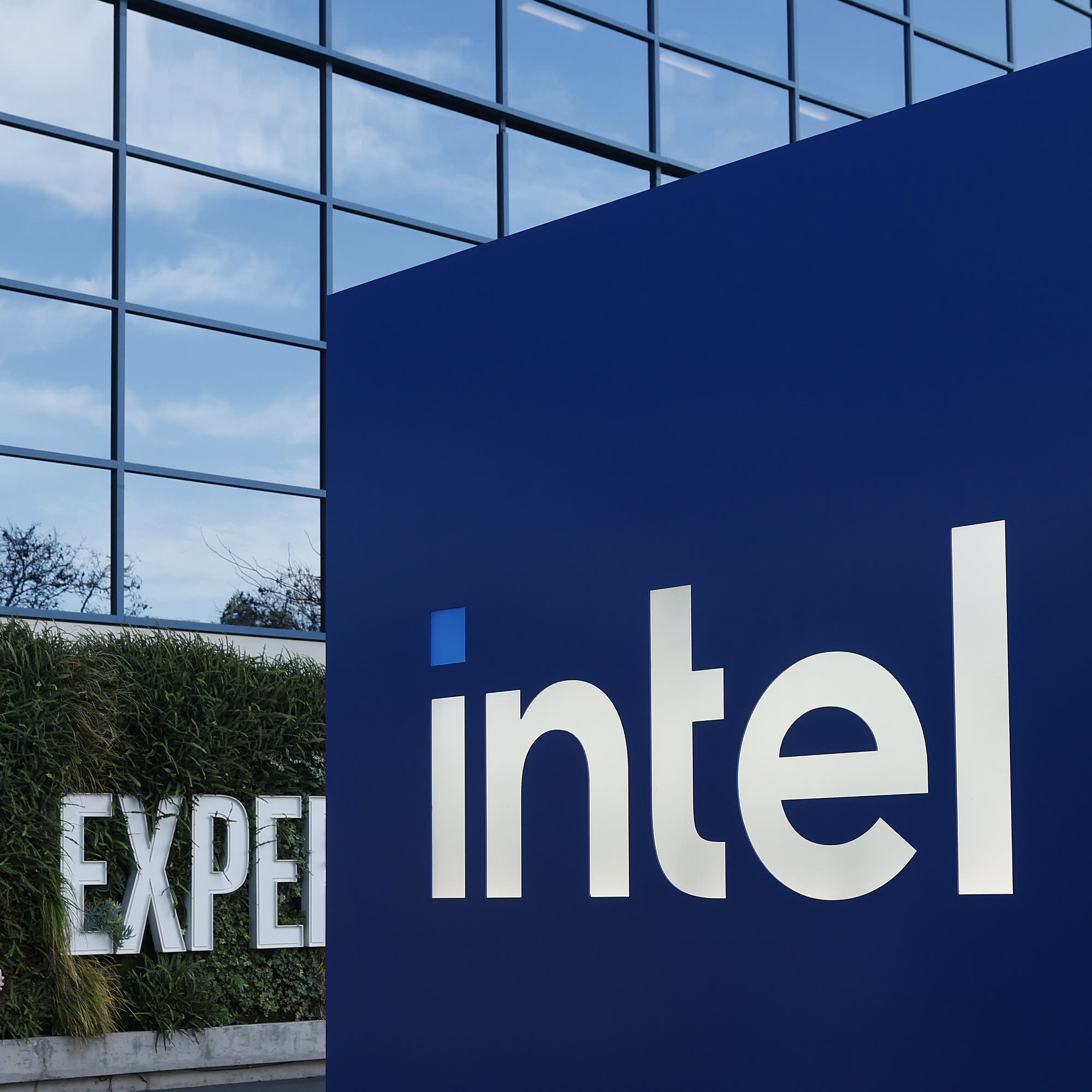
- Intel's sales surged 25% last quarter, marking its largest increase in over a decade. The U.S. government’s stake in the company, acquired through the CHIPS Act, is now valued at $40 billion.
- Analysts credit Intel's turnaround to increased demand for CPUs driven by AI, federal support, and partnerships with companies like Nvidia.
- Experts question the long-term implications of government involvement in private companies, despite the current success.
🥤 The Rise of Functional Beverages
- Functional beverages, offering health benefits like probiotics, electrolytes, and adaptogens, are gaining popularity, especially among Gen Z and millennials.
- Monica Petrucci noted that the market is projected to reach $340 billion by 2030, with major retailers like Starbucks and Walmart embracing the trend.
- While some products, like gut-health drinks, have proven benefits, others face skepticism about their efficacy.
🛠️ A 63-Year-Old’s Career Pivot to Statue Restoration
- Douglas DeStefano transitioned from a tech career to full-time statue restoration, turning a side hustle into a passion-driven business.
- His work involves intricate processes like removing corrosion, repatinating, and applying protective coatings to historical sculptures.
- Despite challenges like long sales cycles and high equipment costs, DeStefano finds fulfillment in preserving cultural heritage.
AI-generated content may not be accurate or complete and should not be relied upon as a sole source of truth.
📋 Episode Description
Intel’s sales jumped by 25% last quarter, the largest increase in over a decade — making the U.S. government’s stake in the company around $40 billion after the administration invested last year. In this episode: Was Trump’s Intel deal a win-win? Plus: Why Gen Z’s not drinking regular soda, rates on business loans might climb, and a 63-year-old pivoted to statue restoration after a career in tech.
Every story has an economic angle. Want some in your inbox? Subscribe to our daily or weekly newsletter.
Marketplace is more than a radio show. Check out our original reporting and financial literacy content at marketplace.org — and consider making an investment in our future.
Read the stories in today’s episode:
- Weekly Wrap: Are tariffs just white noise?
- Rates on business loans have held steady, but they might climb soon
- Intel is booming a year after the U.S. government bought a stake. Is that a win-win?
- Mushroom soda and other functional drinks make a splash in the beverage market
- How a 63-year-old took statue restoration from a side hustle to full-time job