

🤖 AI Summary
Overview
This episode explores the rise of America's obsession with protein, tracing its evolution from a niche bodybuilding supplement to a mainstream dietary fixation. Food writer Elizabeth Dunn delves into the cultural, scientific, and commercial forces driving this trend, including the role of influencers, diet fads, and the booming market for high-protein products like the David Bar.
Notable Quotes
- Protein is protein, protein equals gains.
– Elizabeth Dunn, on the mantra of fitness influencers.
- It's like the Manhattan Project for protein over here.
– Natalie Kitroeff, on the innovation behind the David Bar.
- Eating protein has become something more like an identity or a lifestyle.
– Elizabeth Dunn, on the cultural significance of the protein craze.
🛒 The Protein Boom in Everyday Life
- Protein has infiltrated nearly every food category, from Greek yogurt to protein popcorn and even frosted lemonade protein sodas.
- Over the past decade, the number of products marketed as high-protein
has quadrupled, reflecting a shift in consumer priorities.
- Social media influencers and fitness enthusiasts have amplified the trend, sharing high-protein recipes and daily intake goals.
🏋️♂️ The Evolution of Protein Obsession
- Initially a niche product for bodybuilders in the 1950s, protein gained mainstream appeal in the 1990s with the rise of fitness culture and high-protein, low-carb diets like Atkins and South Beach.
- The pandemic further fueled the obsession, as people focused on health, wellness, and longevity while spending more time online.
- Influencers like Andrew Huberman and Peter Attia have popularized protein as a cornerstone of self-optimization and aging gracefully.
🍫 The David Bar: A Case Study in Protein Innovation
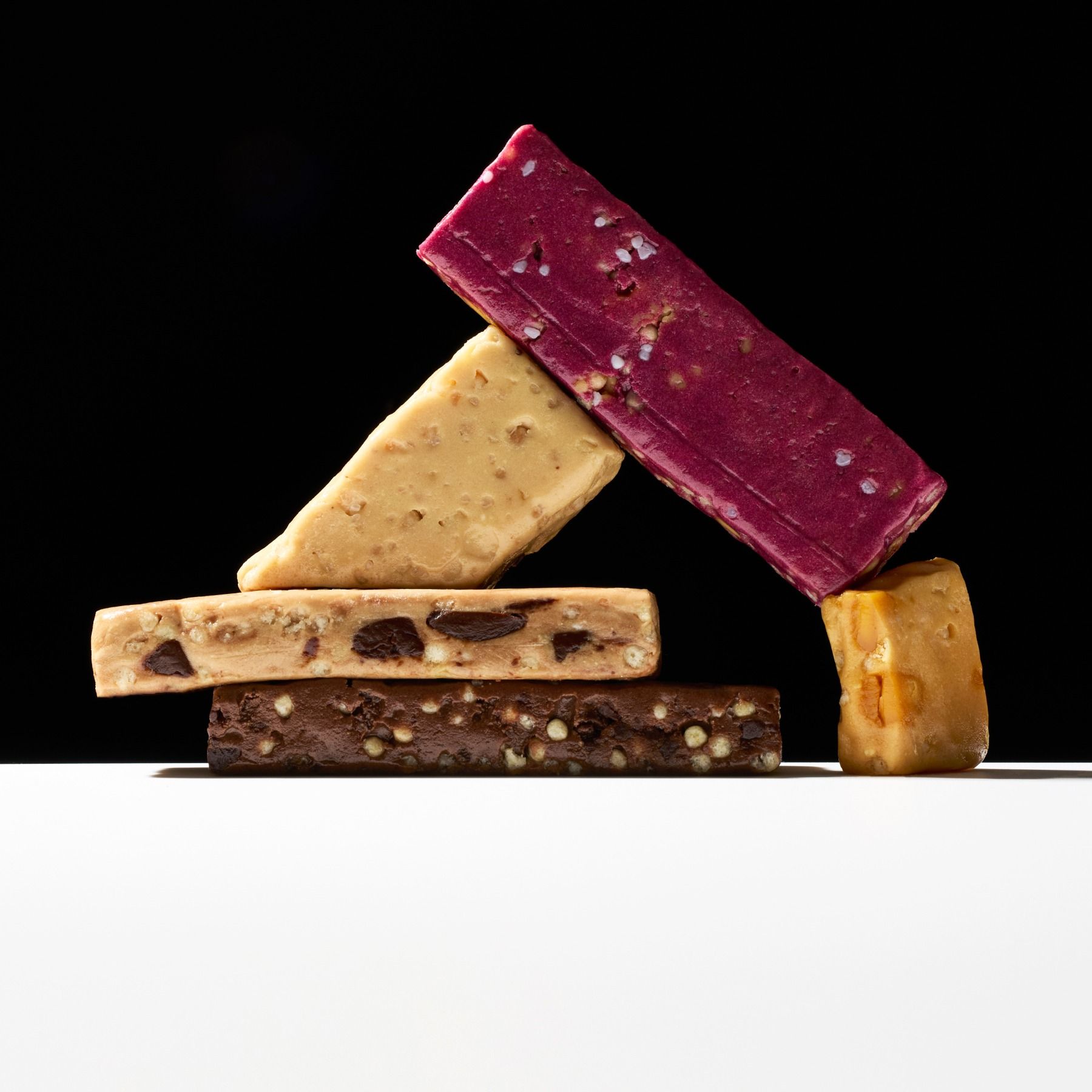
- The David Bar, launched in 2024, boasts 28 grams of protein in just 150 calories, making it a standout in the protein bar market.
- Its secret ingredient, EPG (a modified plant fat with 92% fewer calories than regular fat), allows for an unprecedented protein-to-calorie ratio.
- The company behind the bar acquired the patent for EPG, ensuring exclusive access to this game-changing ingredient.
🤔 The Health and Cultural Implications
- While excessive protein consumption is unlikely to harm most people, prioritizing protein may lead to nutritional compromises, such as consuming more ultra-processed foods.
- The protein craze has taken on a near-religious fervor, with adherents finding identity, community, and purpose in their dietary choices.
- Critics question whether the joy and pleasure of eating are being sacrificed in the pursuit of dietary optimization.
🔬 Protein as a Lifestyle and Science
- Figures like Huberman and Attia advocate for high-protein diets to support intense exercise regimens aimed at building muscle for long-term health.
- Their philosophy emphasizes healthspan
—maintaining physical functionality into old age—by building muscle reserves in youth.
- Protein consumption has become a symbol of self-discipline and aspiration, blending science with cultural identity.
AI-generated content may not be accurate or complete and should not be relied upon as a sole source of truth.
📋 Episode Description
Seemingly overnight, Americans have become obsessed with pumping as much protein as possible into every drink, snack and meal.
Elizabeth Dunn, a writer and contributor to The Times, explains the origins of this latest nutrition craze.
Guest: Elizabeth Dunn, a writer and contributor to The New York Times.
Background reading:
- The David bar, basically a protein Scud missile wrapped in gold foil, has had breakout success. But can the trend last?
- Read a fact-check about some of the big claims made about protein.
For more information on today’s episode, visit nytimes.com/thedaily. Transcripts of each episode will be made available by the next workday.
Photo: David Chow for The New York Times
Unlock full access to New York Times podcasts and explore everything from politics to pop culture. Subscribe today at nytimes.com/podcasts or on Apple Podcasts and Spotify.