

🤖 AI Summary
Overview
This episode delves into the tragic deaths of Rob Reiner and his wife, Michele Singer Reiner, allegedly at the hands of their son, Nick Reiner. It explores the family's struggles with addiction, Rob Reiner's illustrious career in Hollywood, and the enduring legacy of his films. The discussion also reflects on the contrast between the joy his work brought to audiences and the devastating circumstances of his death.
Notable Quotes
- I'd rather have you alive and hating me than dead on the streets.
– Rob Reiner, as quoted in the film Being Charlie,
reflecting his real-life struggles with his son’s addiction.
- That man has made your favorite movie. Everybody's got one.
– Wesley Morris, on Rob Reiner's universal appeal as a filmmaker.
- His movies were always there to hug you. And if you wanted to hug them back, feel free.
– Wesley Morris, on the comforting nature of Reiner's films.
🎭 The Tragedy and Family Struggles
- Rob and Michele Reiner were found stabbed to death in their home, with their son Nick charged with first-degree murder.
- Nick Reiner had a long history of drug addiction, including multiple stints in rehab and periods of homelessness.
- Despite their efforts to support Nick, including collaborating on the semi-autobiographical film Being Charlie,
the family faced ongoing challenges with his sobriety.
🎥 Rob Reiner’s Career and Legacy
- Rob Reiner transitioned from acting in the iconic sitcom All in the Family to directing a string of beloved films, including This Is Spinal Tap, The Princess Bride, Stand By Me, Misery, A Few Good Men, and When Harry Met Sally.
- His films often drew from personal experiences, such as his feelings of being misunderstood by his father, Carl Reiner, and his own romantic life.
- Reiner’s work is celebrated for its emotional resonance, memorable dialogue, and ability to connect with audiences across genres.
🍿 The Joy of Reiner’s Films
- Wesley Morris highlighted how Reiner’s films prioritized audience pleasure, often becoming cultural touchstones with quotable lines like You can’t handle the truth
and I’ll have what she’s having.
- Reiner’s movies, while sometimes criticized for not delving deeply into darker themes, were praised for their optimism and belief in human connection.
- His ability to work with great screenwriters like Nora Ephron and Aaron Sorkin elevated his films into timeless classics.
💔 The Contrast Between Life and Art
- The episode reflects on the stark contrast between the joy and hopefulness of Reiner’s films and the tragic circumstances of his death.
- Reiner’s belief in the fundamental goodness of people, evident in his films, was mirrored in his unwavering support for his son, even in the face of immense personal challenges.
- Wesley Morris poignantly noted that Reiner’s work embodied a belief in life and humanity, making the tragedy of his death all the more heartbreaking.
🌟 A Critic’s Perspective on Reiner’s Impact
- Reiner’s peak as a director coincided with an era of filmmaking that valued strong scripts and relatable characters, a style that feels increasingly rare today.
- His films, while not always critically lauded, have become enduring favorites for their warmth, humor, and humanity.
- Morris emphasized that Reiner’s legacy lies in his ability to make audiences feel deeply, creating movies that continue to resonate across generations.
AI-generated content may not be accurate or complete and should not be relied upon as a sole source of truth.
📋 Episode Description
Rob Reiner, the classic film director, and his wife, Michele Singer Reiner, were killed on Sunday at their home in the Brentwood neighborhood of Los Angeles. On Tuesday, prosecutors charged the couple’s son, Nick, with first-degree murder.
Julia Jacobs, an arts and culture reporter for The New York Times, explains what we have learned about the deaths, and Wesley Morris, a critic at The Times, discusses why many of Rob Reiner’s films are so beloved.
Guest:
- Julia Jacobs, who reports on culture and the arts for The New York Times.
- Wesley Morris, a critic at The New York Times who writes about art and popular culture.
Background reading:
- Rob Reiner, the actor who went on to direct classic films, died at 78.
- Nick Reiner was formally charged on Tuesday with murdering his parents.
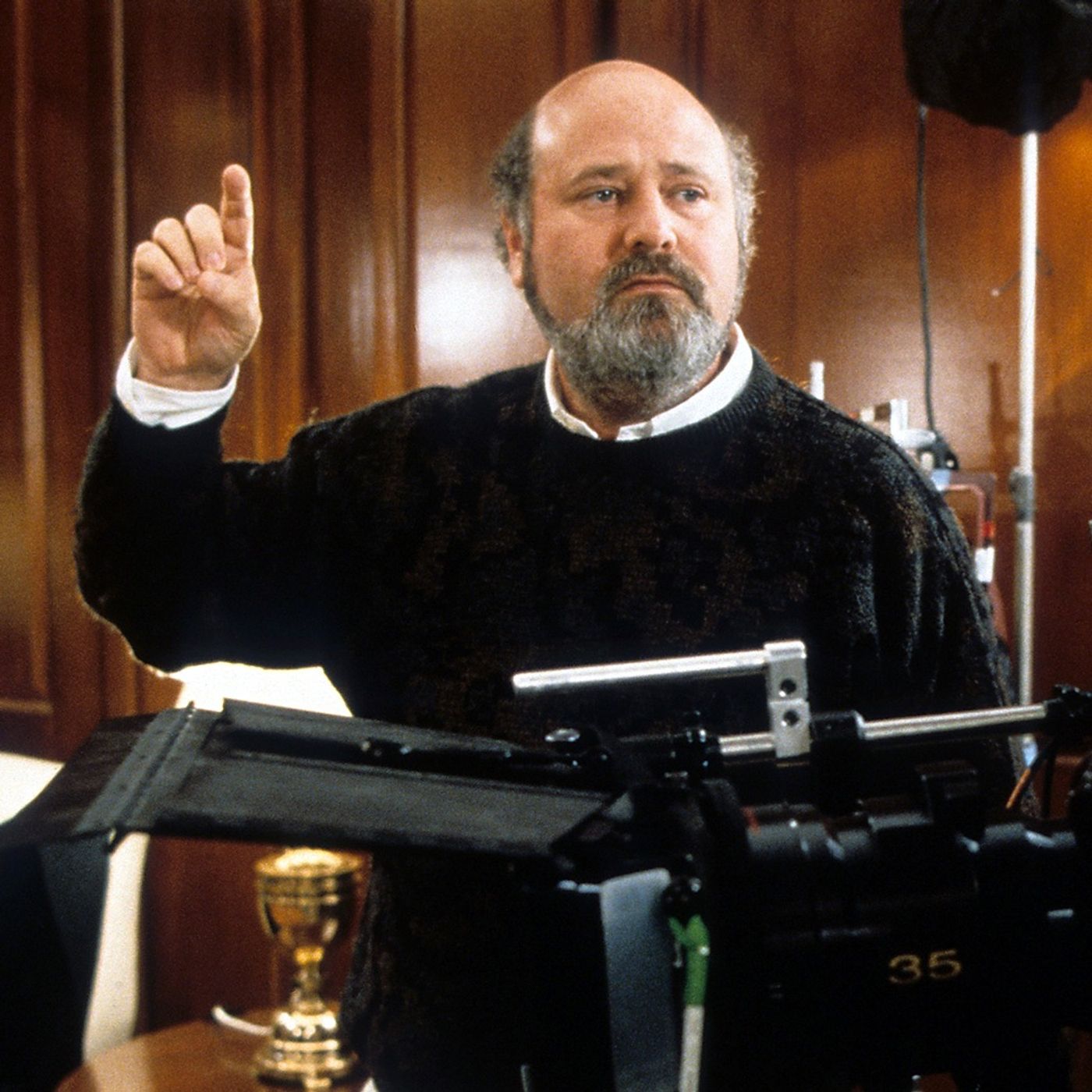
Photo: Universal/Getty Images
For more information on today’s episode, visit nytimes.com/thedaily. Transcripts of each episode will be made available by the next workday.
Subscribe today at nytimes.com/podcasts or on Apple Podcasts and Spotify. You can also subscribe via your favorite podcast app here https://www.nytimes.com/activate-access/audio?source=podcatcher. For more podcasts and narrated articles, download The New York Times app at nytimes.com/app.