

🤖 AI Summary
Overview
This episode explores the complexities of the current job market, highlighting conflicting employment data and its implications for different demographics. It also delves into the economic impact of AI investments amidst tariffs, the rise of budget-friendly cooking influencers during tough economic times, and the innovative practice of agrivoltaics. Finally, it revisits the history and enduring appeal of LEGO as a cultural and economic phenomenon.
Notable Quotes
- If this is your first time being poor, I'm Kiki.
– Kiki Ruff, introducing her recession recipes for those adjusting to financial hardship.
- We are outnumbered by the tiny Lego populace. If they ever rise up, we're in trouble.
– Daniel Konstansky, on the sheer scale of LEGO production.
- The unemployment rate for Black workers is at 8.3%. If that were the overall unemployment rate, we'd say we were in a bad recession.
– Dean Baker, on racial disparities in unemployment.
📉 Conflicting Job Market Data
- Initial unemployment claims fell by 10,000 last week, reaching pre-pandemic lows, signaling some positive news (Kimberly Adams).
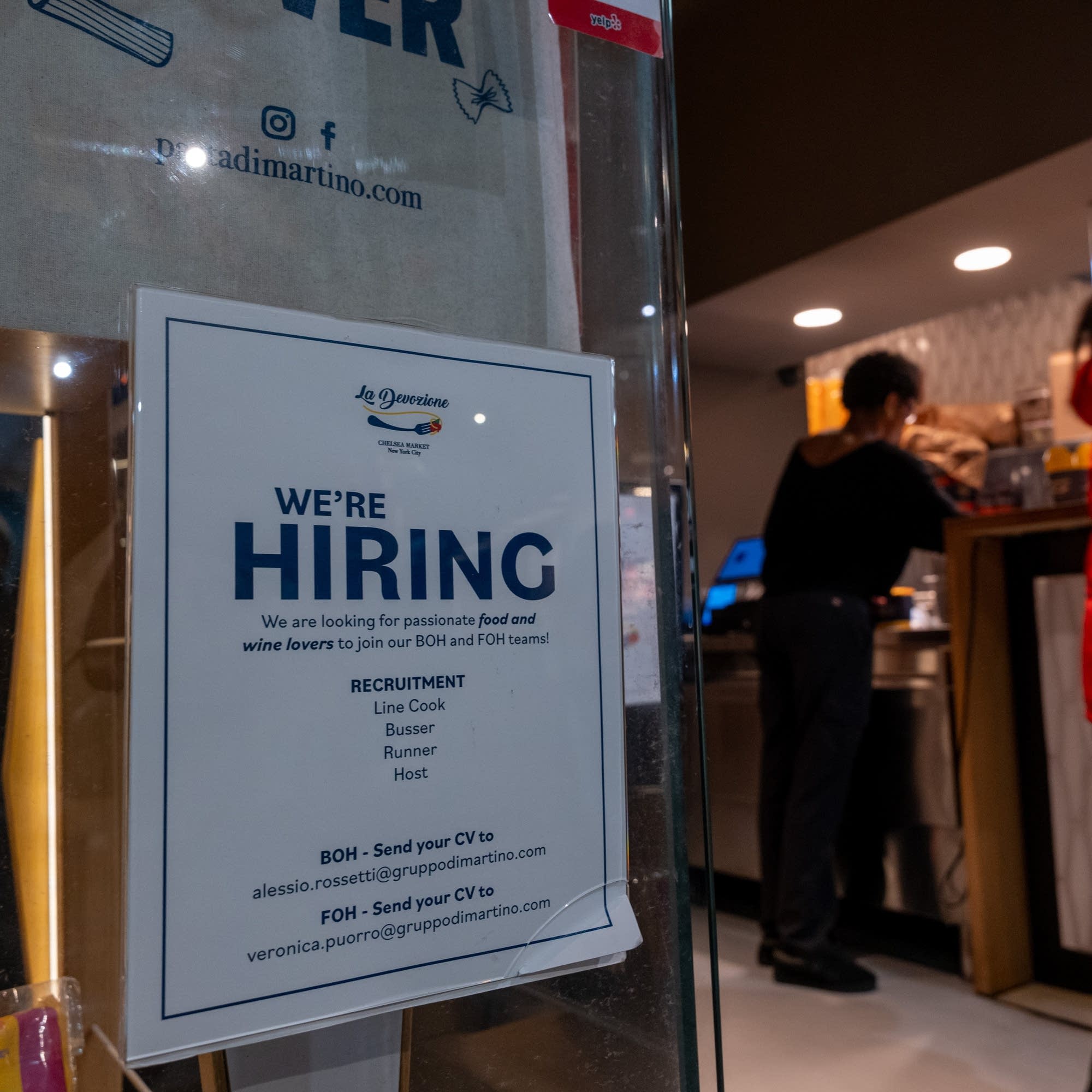
- However, the delayed government jobs report showed a loss of 40,000 jobs since September and a rise in unemployment to 4.6%, the highest since 2017 (Mitchell Hartman).
- Disparities persist: Black workers face an unemployment rate of 8.3%, compared to 3.9% for white workers (Dean Baker).
- Job creation has stalled, with businesses and employees showing caution in hiring and spending (Mike Frattantoni).
🤖 AI Investments Amid Tariffs
- AI data centers have driven significant economic growth, with $400 billion spent in 2025 alone (Megan McCarty Carino).
- Key components like GPUs, largely manufactured in Taiwan and Korea, remain tariff-exempt for now, despite ongoing national security investigations (Chris Miller).
- Tariffs have cost big tech $5 billion this year, but the sector is expected to continue investing trillions in AI infrastructure (Dan Ives).
🍳 Recession Recipes and Food Insecurity
- TikTok creator Kiki Ruff shares budget-friendly recipes like pizza rolls, helping families navigate rising grocery costs and food insecurity (Alice Wilder).
- Ruff’s personal experience with poverty and food stamps informs her content, which has gained over half a million followers.
- Grocery prices have risen 25% in five years, forcing many to rethink how they gather and celebrate holidays.
☀️ Agrivoltaics: Farming Under Solar Panels
- Jack’s Solar Garden in Colorado combines solar energy production with agriculture, growing crops like tomatoes and peppers beneath elevated solar panels (Amy Scott).
- This dual-use approach maximizes land efficiency, creates jobs, and supports rural communities while generating renewable energy.
- The farm plans to expand with a U-pick berry operation, further diversifying income streams.
🧱 The Economic Legacy of LEGO
- LEGO’s journey from wooden toys during the Great Depression to its iconic plastic bricks highlights its adaptability and innovation (Daniel Konstansky).
- The introduction of the LEGO system in play revolutionized the toy industry, creating a cohesive product line centered on creativity and city-building.
- Over 1.1 trillion LEGO elements have been produced, with minifigures now outnumbering humans on the planet.
AI-generated content may not be accurate or complete and should not be relied upon as a sole source of truth.
📋 Episode Description
The labor market has been tightening all year, and Americans have grown increasingly anxious about their ability to find new jobs. A bit of good news? New unemployment claims fell last week. But that isn’t likely to signal a full job market turnaround in the new year. Plus: AI investment hasn’t slowed under Trump’s tariffs, a TikTok creator shares “recession recipes,” and we learn about the history of Legos.
Every story has an economic angle. Want some in your inbox? Subscribe to our daily or weekly newsletter.
Marketplace is more than a radio show. Check out our original reporting and financial literacy content at marketplace.org — and consider making an investment in our future.