

🤖 AI Summary
Overview
This episode explores the economic impacts of tariffs on the U.S. trade deficit, the challenges of adjusting to inflation and dynamic pricing, and the evolving restaurant industry. It also delves into the intersection of immigration, energy policy, and the Venezuelan diaspora in Texas.
Notable Quotes
- We paid more in tariffs than our operating loss, which means that tariffs were the difference between being profitable and not.
– Fran Dunaway, on the impact of tariffs on her business.
- Treading water never feels good. And if you were underwater before all of this inflation kicked in, the price is never really going to be right.
– Kristen Schwab, on the challenges of adjusting to inflation.
- Content per square foot.
– Simon Kim, describing the new economics of smaller, intimate restaurants.
📉 The Impact of Tariffs on the U.S. Trade Deficit
- President Trump's tariffs aimed to reduce the trade deficit but failed to achieve significant change, as predicted by many economists.
- Fran Dunaway of Tomboy X shared how tariffs forced her to shift production between countries, yet her business still faced steep costs.
- Economists like Joe Gagnon explained how tariffs strengthen the dollar, making U.S. exports less competitive and neutralizing the intended effects.
- The AI boom and increased imports of tech products further complicated the trade deficit, leaving it largely unchanged year-over-year.
💸 Inflation and Consumer Behavior
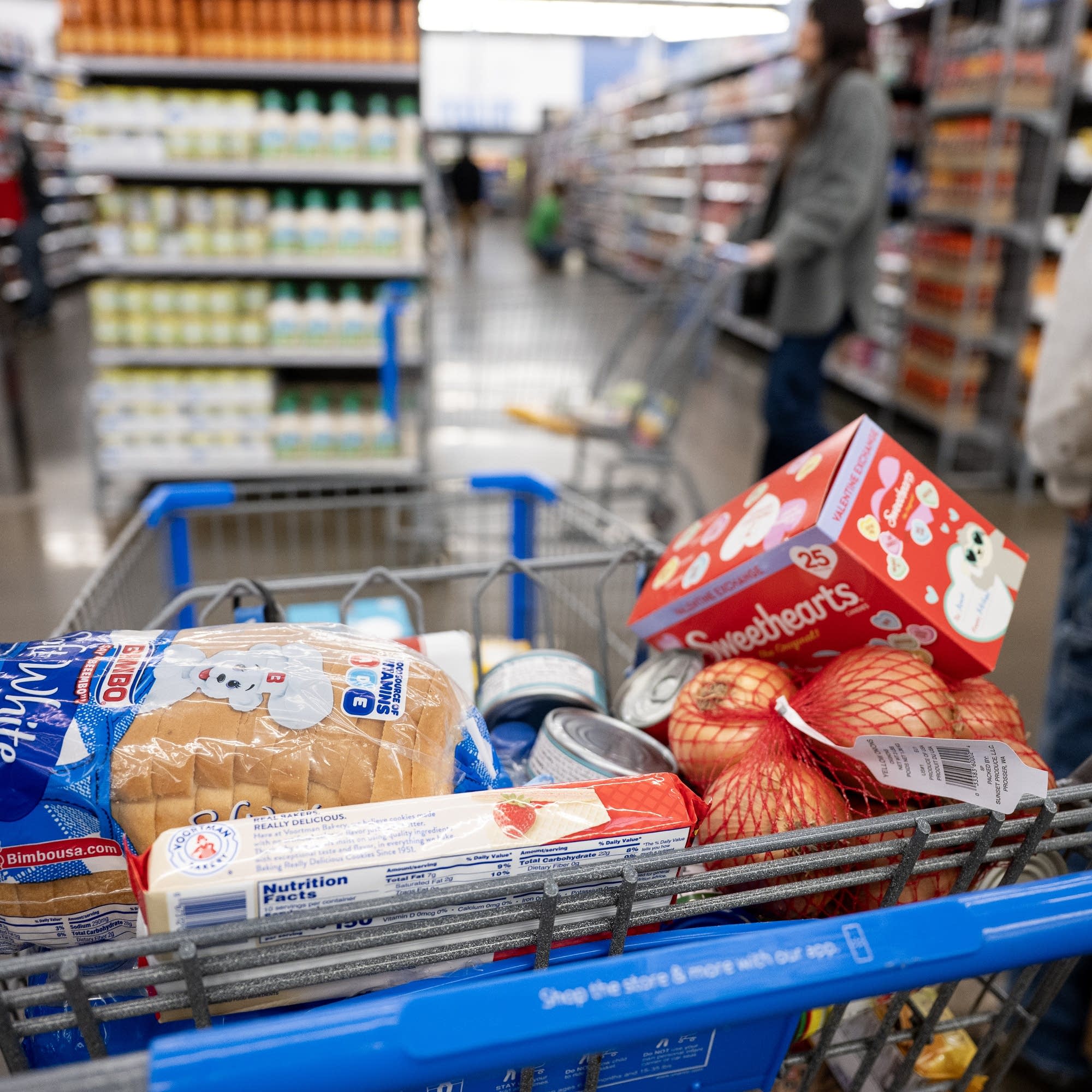
- Research shows consumers have become worse at estimating prices, a trend linked to inflation, dynamic pricing, and the overwhelming variety of online shopping options.
- Kristen Schwab highlighted how constant discounts and fluctuating prices make it harder for people to gauge the true cost of goods.
- Historical data from The Price is Right
revealed that inflation in the 70s and 80s made people more price-conscious, a sharp contrast to today’s environment.
🍽️ The Rise of Smaller, Intimate Restaurants
- Post-pandemic, restaurants are downsizing to create intimate dining experiences while reducing overhead costs.
- Restaurateurs like Eugene Rem compare the exclusivity of small venues to luxury goods, creating high demand.
- Smaller spaces allow for premium pricing without the need for large-scale operations, though this trend caters primarily to wealthier diners.
🏭 Wholesale Inventories and Trade Stability
- Wholesale inventories stabilized after a turbulent year marked by tariff-related stockpiling.
- Zach Rogers noted that wholesalers acted as human shields
during tariff hikes, absorbing costs that retailers couldn’t.
- While inventory levels are now more balanced, the risk of supply chain disruptions and prolonged inflation remains.
🌍 Venezuelan Diaspora and Energy Policy
- Katy, Texas, nicknamed Katysuela,
has become a hub for Venezuelan immigrants, many of whom work in the oil industry.
- Francisco Monaldi explained the historical ties between Houston and Venezuela, with U.S. companies now eyeing opportunities in Venezuela’s oil sector.
- Venezuelan expats face uncertainty due to immigration policies, with some fearing deportation despite years of legal residency.
- The community’s expertise in oil could play a pivotal role in rebuilding Venezuela’s energy sector, though many remain hesitant to return.
AI-generated content may not be accurate or complete and should not be relied upon as a sole source of truth.
📋 Episode Description
Consumers have gotten worse at guessing how much goods cost, research shows. Call that literal sticker shock? Accelerated price growth might be to blame, but so is dynamic pricing and the proliferation of online sales. Also in this episode: Trump’s tariffs have failed so far to shrink the U.S. trade deficit, wholesale inventory stabilizes as trade war uncertainty settles, and we visit a place where White House energy and immigration policies collide.
Every story has an economic angle. Want some in your inbox? Subscribe to our daily or weekly newsletter.
Marketplace is more than a radio show. Check out our original reporting and financial literacy content at marketplace.org — and consider making an investment in our future.