

🤖 AI Summary
Overview
This episode explores the emotionally and legally complex issue of embryo custody following a couple's breakup. Through the story of Erin Millender and Adam Rubin, it delves into the ethical, legal, and personal dilemmas surrounding in vitro fertilization (IVF), the promises made during marriage, and the implications of creating life in a lab.
Notable Quotes
- Sometimes there are no good choices. You know, go against my husband's wishes or never be a mother. What kind of choice is that?
— Erin Millender, on the impossible decisions surrounding embryo custody.
- I did not endure the IVF process, assist with medical appointments and injections, or provide care for her ill father with the intention of being reduced to an anonymous donor.
— Adam Rubin, on his objection to Erin using the embryos without his consent.
- Outside of IVF, if a man changes his mind five days after conception and wants to withdraw his DNA, there is no remedy for that. Should we create one where one doesn’t exist in nature?
— Erin Millender, on the ethical implications of embryo custody.
🌱 The Rise of IVF and Its Legal Gray Areas
- IVF has become increasingly common, with hundreds of thousands of embryos stored in clinics across the U.S., raising new ethical and legal questions.
- Many states lack clear legal precedent for determining embryo custody in cases of divorce, leaving decisions to individual judges.
- Standard IVF contracts often include clauses about embryo disposition in case of divorce, but these agreements can be ambiguous or fail to account for all scenarios.
💔 Erin and Adam’s Relationship and IVF Journey
- Erin, a lawyer in her late 30s, met Adam, an HVAC professional, and they bonded over shared goals of building a family.
- After marrying, they began IVF due to Erin’s infertility diagnosis, creating three embryos, two of which were viable.
- The emotional toll of failed embryo transfers, Erin’s father’s declining health, and differing levels of emotional investment in the process strained their marriage.
⚖️ The Court Battle Over Embryo Custody
- After Adam filed for divorce, he revoked his consent for Erin to use the embryos, citing his desire not to be reduced to an anonymous donor and his religious beliefs.
- Erin argued that the embryos represented her last chance at biological motherhood and that Adam’s withdrawal violated the promises they made during their marriage.
- A lower court ruled in Erin’s favor, allowing her to proceed with an embryo transfer, but Adam appealed the decision, leading to a legal stay.
🌟 The Emotional and Ethical Complexity of Parenthood
- Erin successfully transferred one embryo before the legal stay, resulting in a pregnancy. She described the moment as seeing a tiny star
in her womb.
- Adam expressed feelings of betrayal and exclusion, highlighting the emotional weight of being sidelined in the IVF process.
- The case underscores broader ethical questions: Should one partner’s desire for parenthood outweigh the other’s desire not to parent?
📜 Broader Implications for Embryo Custody Laws
- The case highlights the lack of uniformity in embryo custody laws across the U.S., with only a few states, like Arizona, having clear legislation.
- Appeals courts, where legal precedents are set, are increasingly being called upon to address these disputes, shaping the future of reproductive rights and responsibilities.
- The outcome of Erin and Adam’s case could influence similar cases, as society grapples with the implications of creating life outside the womb.
AI-generated content may not be accurate or complete and should not be relied upon as a sole source of truth.
📋 Episode Description
As more people in the United States use I.V.F. to have children, embryos are being stored in fertility clinics across the country. It raises the question: What should happen to those embryos if a couple breaks up?
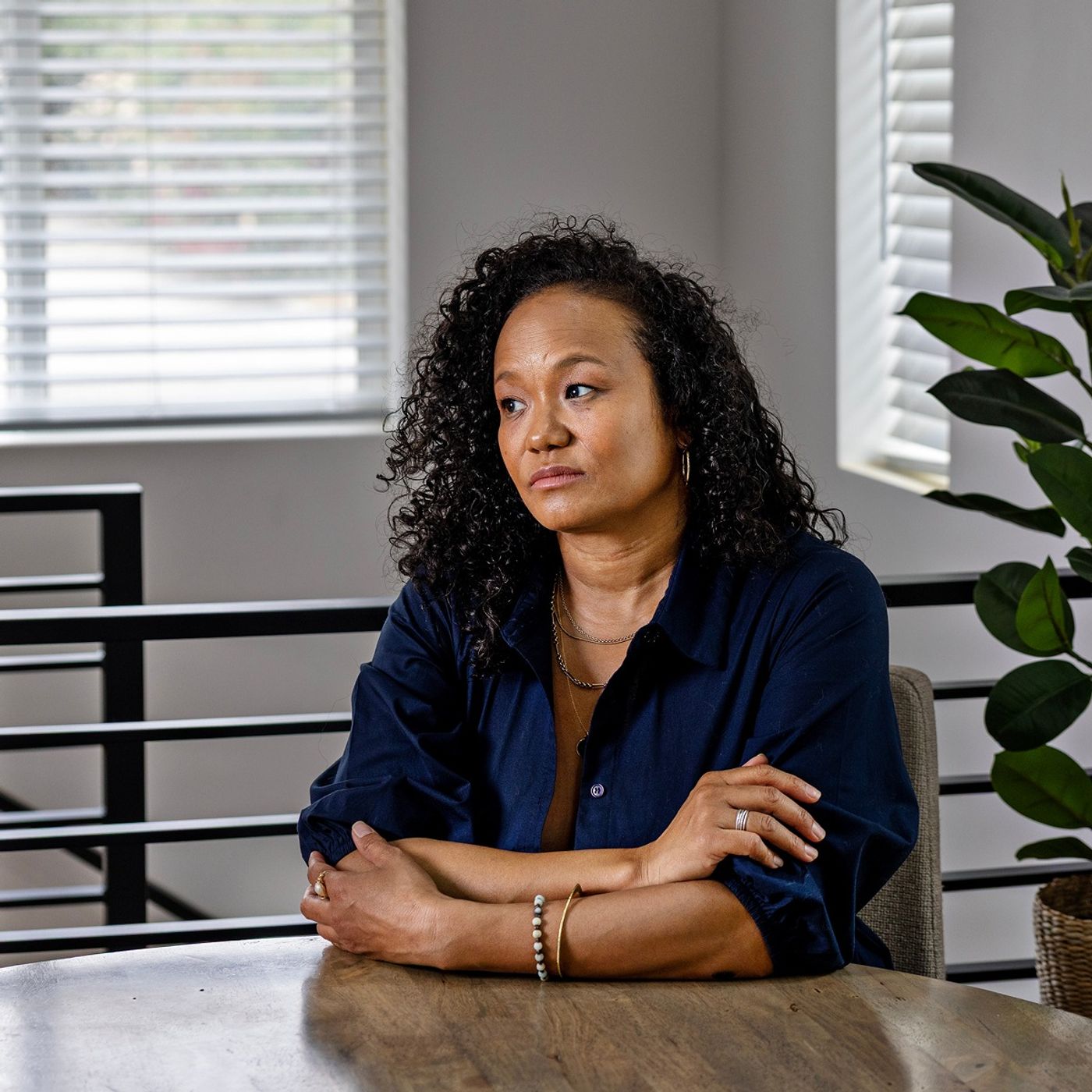
Caroline Kitchener, who covers families for The New York Times, tells the story of Erin Millender, who took a custody battle over frozen embryos to court after her husband revoked his consent to use them.
Guest: Caroline Kitchener, a New York Times reporter, writing about the American family.
Background reading:
- They started I.V.F., and then split. Now who gets custody of the embryos?
Photo: Kim Raff for The New York Times
For more information on today’s episode, visit nytimes.com/thedaily. Transcripts of each episode will be made available by the next workday.
Subscribe today at nytimes.com/podcasts or on Apple Podcasts and Spotify. You can also subscribe via your favorite podcast app here https://www.nytimes.com/activate-access/audio?source=podcatcher. For more podcasts and narrated articles, download The New York Times app at nytimes.com/app.
Hosted by Simplecast, an AdsWizz company. See pcm.adswizz.com for information about our collection and use of personal data for advertising.