

🤖 AI Summary
Overview
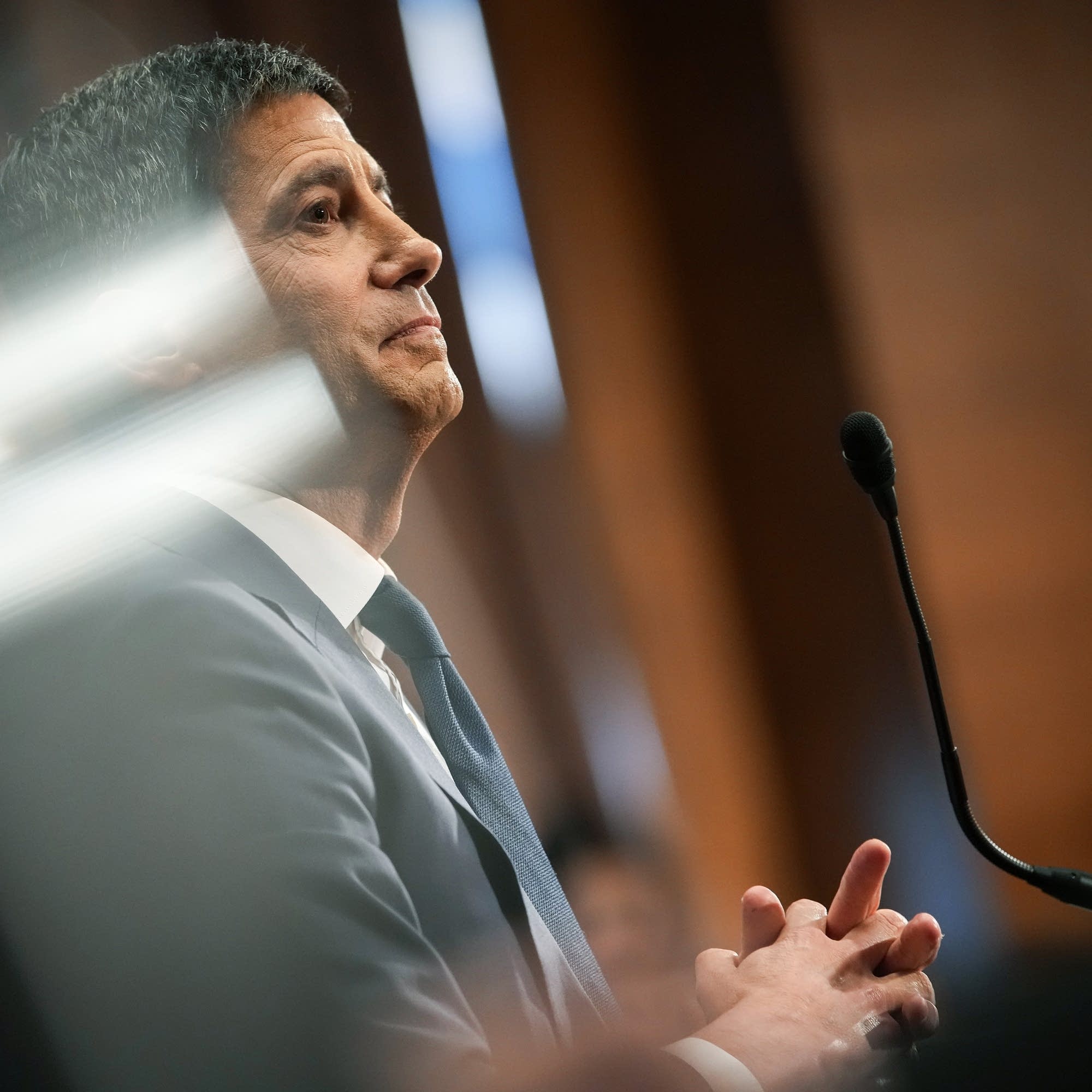
This episode explores the potential implications of incoming Federal Reserve Chair Kevin Warsh's proposed changes to the Fed's communication strategy, including reducing public speeches. It also examines how economic pressures are reshaping consumer behavior, the challenges facing U.S. electric vehicle (EV) adoption, and the economic benefits of urban tree planting.
Notable Quotes
- If you're hearing too many conflicting signals or not a consistent narrative, it can become confusing.
– Courtney Shupert, on the risks of excessive Fed communication.
- Serving was kind of draining my soul, and this definitely doesn't drain my soul.
– Rebecca Holopter, on how her pet portrait business revitalized her creative spirit.
- It's not cost-cutting; it's replacing low-value human capital.
– Standard Chartered CEO, on layoffs, sparking debate over corporate jargon.
🗣️ The Fed’s Communication Overhaul
- Kevin Warsh, the incoming Fed Chair, plans to reduce the frequency of public speeches and press conferences, criticizing the Fed's current forward guidance
approach.
- Justin Ho explains that Fed speeches help economists like Preston Moy interpret the Fed's views on inflation, labor markets, and risks, which inform policy advocacy.
- Historically, the Fed was more opaque, but transparency increased to boost accountability and market stability, says Carola Binder.
- Economists like Courtney Shupert argue that while too much communication can create noise, regular updates are crucial during economic uncertainty to avoid market surprises.
🛒 Retailers and Rising Costs
- Retailers face higher energy and transportation costs, with wholesale inflation rising 1.5% in just one month.
- Smaller retailers struggle to pass on costs without losing customers, while giants like Walmart leverage loyalty programs and bulk offerings to maintain market share, notes Zach Stambor.
- Jason Miller highlights that durable goods like appliances are particularly challenging to price higher due to existing tariffs and consumer pullback.
🌳 The Economic Case for Urban Trees
- Cities like Lakewood, Ohio, are investing in tree planting to combat urban heat islands, improve air quality, and reduce stormwater management costs.
- Kaylee Wells reports that trees provide a $3 return for every $1 invested, with benefits including lower energy bills, increased property values, and reduced healthcare costs.
- Urban forestry expert Kathleen Wolfe emphasizes that green spaces also boost mental health and community well-being.
🚗 U.S. EV Market Lags Behind Europe
- Despite rising gas prices, U.S. EV sales trail Europe due to reduced government incentives and high import tariffs, explains Henry Epp.
- Automakers like Ford and GM have scaled back EV production in the U.S., while European and Korean markets remain strong.
- Hybrid vehicles are gaining traction, with sales up 36% year-over-year, reflecting a shift toward fuel efficiency among American consumers.
🎨 Creative Hustles in a Tough Economy
- Rebecca Holopter turned her passion for art into a thriving pet portrait business, offering quick, affordable custom pieces at local markets.
- Her work provides financial stability and creative fulfillment, replacing her previous job as a server.
- The business also fosters community engagement, as customers and fellow vendors appreciate her live artistry.
AI-generated content may not be accurate or complete and should not be relied upon as a sole source of truth.
📋 Episode Description
The era of frequent public speeches given by Federal Reserve officials on monetary policy may be over. Incoming Fed Chair Kevin Warsh has expressed a desire to reform the central bank’s robust communication style, which has been the norm since the 1990s. In this episode, what do we stand to lose if the Fed zips its lips? Plus: Retailers weigh passing higher costs onto cash-strapped consumers, stateside EV sales don’t keep up with European surge, and cities make an economic case for planting more trees.
Every story has an economic angle. Want some in your inbox? Subscribe to our daily or weekly newsletter.
Marketplace is more than a radio show. Check out our original reporting and financial literacy content at marketplace.org — and consider making an investment in our future.