

🤖 AI Summary
Overview
This episode delves into the intersection of geopolitics and sports at the 2026 Winter Olympics, exploring how international tensions are influencing the Games. It also highlights the intense U.S.-Canada hockey rivalry and profiles extraordinary athletes like Lindsey Vonn and Ilya Malinin, whose stories embody both triumph and heartbreak.
Notable Quotes
- The pressure of the Olympics is really something different, and I think not a lot of people will understand that.
– Ilya Malinin, reflecting on his struggles during the Games.
- Hockey is almost acting as a proxy for what the countries are experiencing politically.
– Shawna Richer, on the U.S.-Canada hockey rivalry.
- It's so incredible to watch them because they do things that are superhuman. But it's also incredible to watch them because they're human.
– Juliet Macur, on the emotional power of the Olympics.
🏅 Geopolitics at the Olympics
- Rachel Abrams and Motoko Rich discuss how international tensions, particularly those involving the U.S. and its allies, have shaped the atmosphere of the Games.
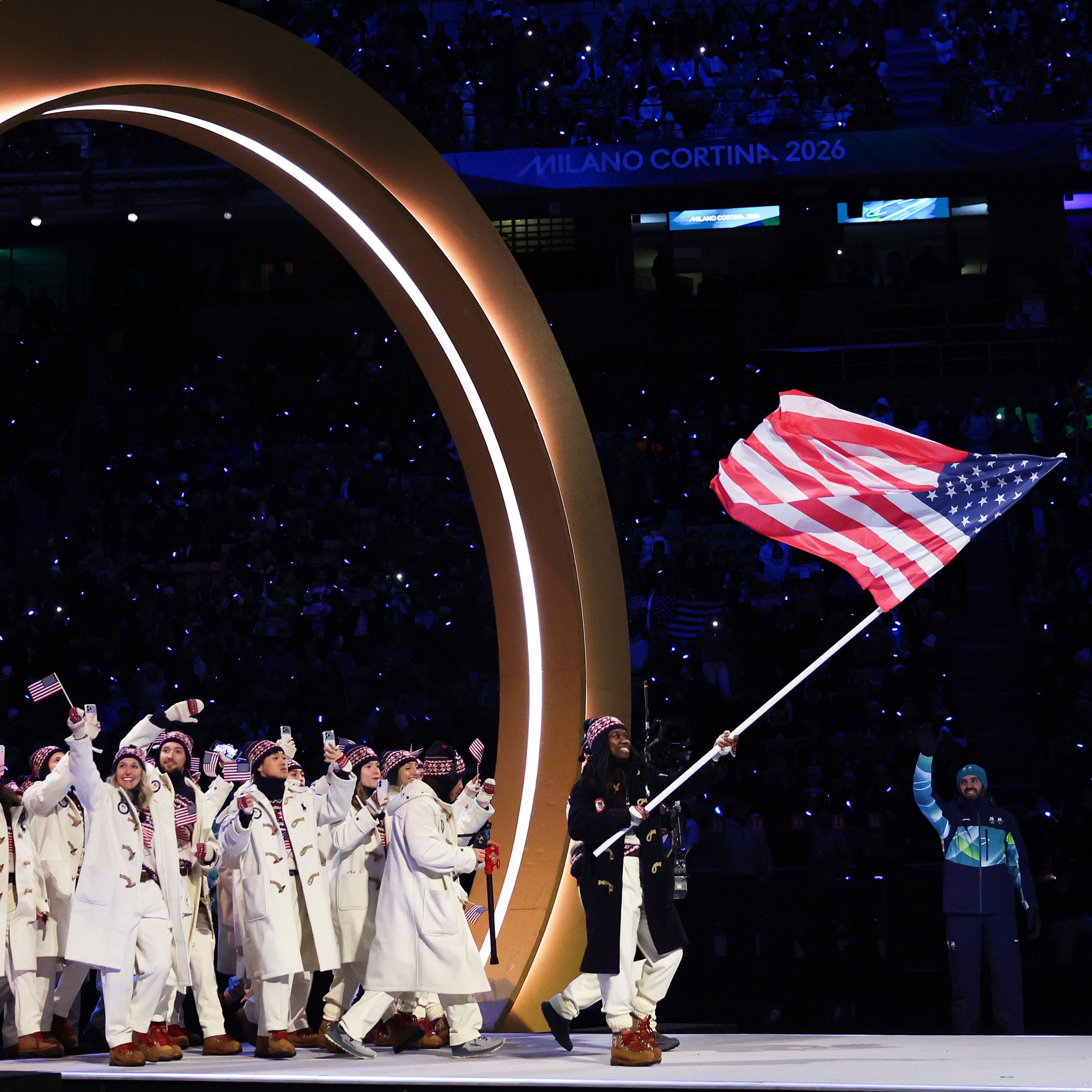
- The U.S. delegation received cheers during the opening ceremony, but Vice President J.D. Vance was booed when his image appeared on the jumbotron.
- American athletes have been vocal about their mixed emotions representing the U.S., with some addressing issues like LGBTQ rights and immigration. Athletes like Amber Glenn and Chloe Kim have used their platforms to highlight values of diversity and inclusion.
- The International Olympic Committee (IOC) enforces strict rules against political statements during competitions, but athletes have found ways to express their views in press conferences and interviews.
🏒 U.S.-Canada Hockey Rivalry as a Political Proxy
- Shawna Richer explains how the longstanding hockey rivalry between the U.S. and Canada has taken on new significance due to political tensions, including trade disputes and social media spats between leaders.
- A recent hockey tournament saw tensions boil over, with Canadian fans booing the U.S. national anthem and multiple fights breaking out within seconds of the game starting.
- For Canada, winning a gold medal in hockey is a matter of national pride, especially in the face of perceived political bullying by the U.S.
⛷️ Lindsey Vonn’s Remarkable Comeback
- At 41, Lindsey Vonn returned to competitive skiing after a partial knee replacement, defying expectations and becoming the oldest winner of a World Cup race.
- Despite tearing her ACL just nine days before the Olympics, Vonn competed in the downhill event but suffered a devastating crash. Her story highlights both her resilience and the physical toll of elite sports.
⛸️ Ilya Malinin: The Quad God’s Olympic Struggles
- Ilya Malinin, known as the Quad God
for his groundbreaking quad axel jumps, entered the Games as a favorite but faltered under immense pressure.
- He described being overwhelmed by negative thoughts and past traumas before his performance, leading to uncharacteristic mistakes and an 8th-place finish.
- His story echoes the challenges faced by other athletes like Simone Biles and Nathan Chen, underscoring the mental strain of competing on the world’s biggest stage.
🎿 Trends in the 2026 Winter Olympics
- Juliet Macur notes the rise of older athletes competing at elite levels, thanks to advancements in training and recovery.
- The U.S. is poised for one of its best Winter Olympics, with strong contenders across multiple sports, including figure skating, skiing, and speed skating.
- The Games continue to showcase both the physical and emotional extremes of athletic competition, making them a powerful global event.
AI-generated content may not be accurate or complete and should not be relied upon as a sole source of truth.
📋 Episode Description
In this episode of “The Sunday Daily,” the host Rachel Abrams is joined by her New York Times colleagues Motoko Rich, Shawna Richer and Juliet Macur, who are all covering this year’s Olympic Games. They discuss how the geopolitical climate may or may not be influencing the competition, and talk about some of the extraordinary athletes who are pushing the limits of physical achievements.
On Today’s Episode
Motoko Rich is the Rome bureau chief for The New York Times.
Juliet Macur is a national reporter covering sports for The New York Times.
Shawna Richer is an editor at The New York Times, working on coverage of sports in America.
Photo Illustration by The New York Times; Images: Sarah Stier/Getty Images
For more information on today’s episode, visit nytimes.com/thedaily. Transcripts of each episode will be made available by the next workday.
Subscribe today at nytimes.com/podcasts or on Apple Podcasts and Spotify. You can also subscribe via your favorite podcast app here https://www.nytimes.com/activate-access/audio?source=podcatcher. For more podcasts and narrated articles, download The New York Times app at nytimes.com/app.
Hosted by Simplecast, an AdsWizz company. See pcm.adswizz.com for information about our collection and use of personal data for advertising.