

🤖 AI Summary
Overview
This episode delves into the controversial U.S. military boat strikes targeting alleged drug smuggling vessels from South America. It examines the legality of these operations, particularly a second missile strike on survivors of an initial attack, which has sparked bipartisan scrutiny and raised questions about potential war crimes. The discussion also explores the administration's legal justifications, the role of military lawyers, and the broader implications of these actions.
Notable Quotes
- If it's not an armed conflict, the first missile was murder. The second missile was murder. They were all unlawful.
– Charlie Savage, on the legal framework surrounding the strikes.
- You cannot fire upon people who are out of the fight... shipwrecked sailors cannot be fired upon. That is a war crime.
– Charlie Savage, explaining the rules of armed conflict.
- You can just write down some nonsense on a piece of paper on OLC letterhead and suddenly people are free to do whatever that memo says.
– Charlie Savage, on the power of Justice Department memos to shield actions from prosecution.
⚖️ Legality of the Boat Strikes
- The Trump administration classified the strikes as part of an armed conflict
against drug cartels, treating smugglers as combatants rather than criminals.
- Critics argue this interpretation is legally dubious, as Congress has not authorized such a war, and drug smuggling does not constitute an armed attack.
- Under the laws of armed conflict, targeting shipwrecked survivors is explicitly prohibited, raising concerns that the second strike constitutes a war crime.
🎯 The Second Missile Strike Controversy
- The September 2nd attack involved a second missile strike that killed survivors of the initial strike.
- Admiral Frank Bradley reportedly ordered the second strike, allegedly under ambiguous directives from Defense Secretary Pete Hegseth.
- The administration defends the operation but distances itself from the second strike, with President Trump expressing discomfort over it.
- The intent behind the second strike—whether to kill survivors or destroy the boat and drugs—remains a critical legal question.
🛡️ Role of Legal Advisors and Oversight
- Military commanders typically rely on Judge Advocate General (JAG) officers for legal guidance, but few career lawyers were involved in planning these strikes.
- Pete Hegseth, known for his hostility toward military lawyers, replaced top JAGs with politically aligned appointees.
- Congress is now investigating the strikes, with potential avenues including subpoenaing unedited video footage and examining missile configurations to determine intent.
📜 Justice Department Memos as Legal Shields
- A Justice Department memo approved the strikes, framing them as lawful under the administration's armed conflict rationale.
- Such memos, often referred to as golden shields,
protect individuals from domestic prosecution, even if the actions are later deemed illegal.
- However, if the second strike violated the laws of armed conflict, it could still face scrutiny in military courts or under international law, though jurisdictional challenges exist.
🌍 Broader Implications and Accountability
- The focus on the second strike risks overshadowing the broader question of whether the entire operation is illegal.
- If the strikes are not part of a legitimate armed conflict, all 21 attacks and 83 deaths could be considered unlawful killings.
- Congressional oversight may lead to policy changes, but political realities make significant accountability unlikely.
AI-generated content may not be accurate or complete and should not be relied upon as a sole source of truth.
📋 Episode Description
Over the past three months, the U.S. military has been firing on boats from South America, killing more than 80 people and prompting Democrats to raise urgent questions about their legality.
Now, one of these operations, which killed survivors with a second missile, has prompted congressional Republicans to join those calls for accountability.
Charlie Savage, who covers national security for The New York Times, explains the renewed debate and how the administration is justifying its actions.
Guest: Charlie Savage, who covers national security and legal policy for The New York Times.
Background reading:
- Lawmakers suggested that a follow-up boat strike could have been a war crime.
- Amid talk of a war crime, the details and precise sequence of a Sept. 2 attack on a boat in the Caribbean are facing more scrutiny.
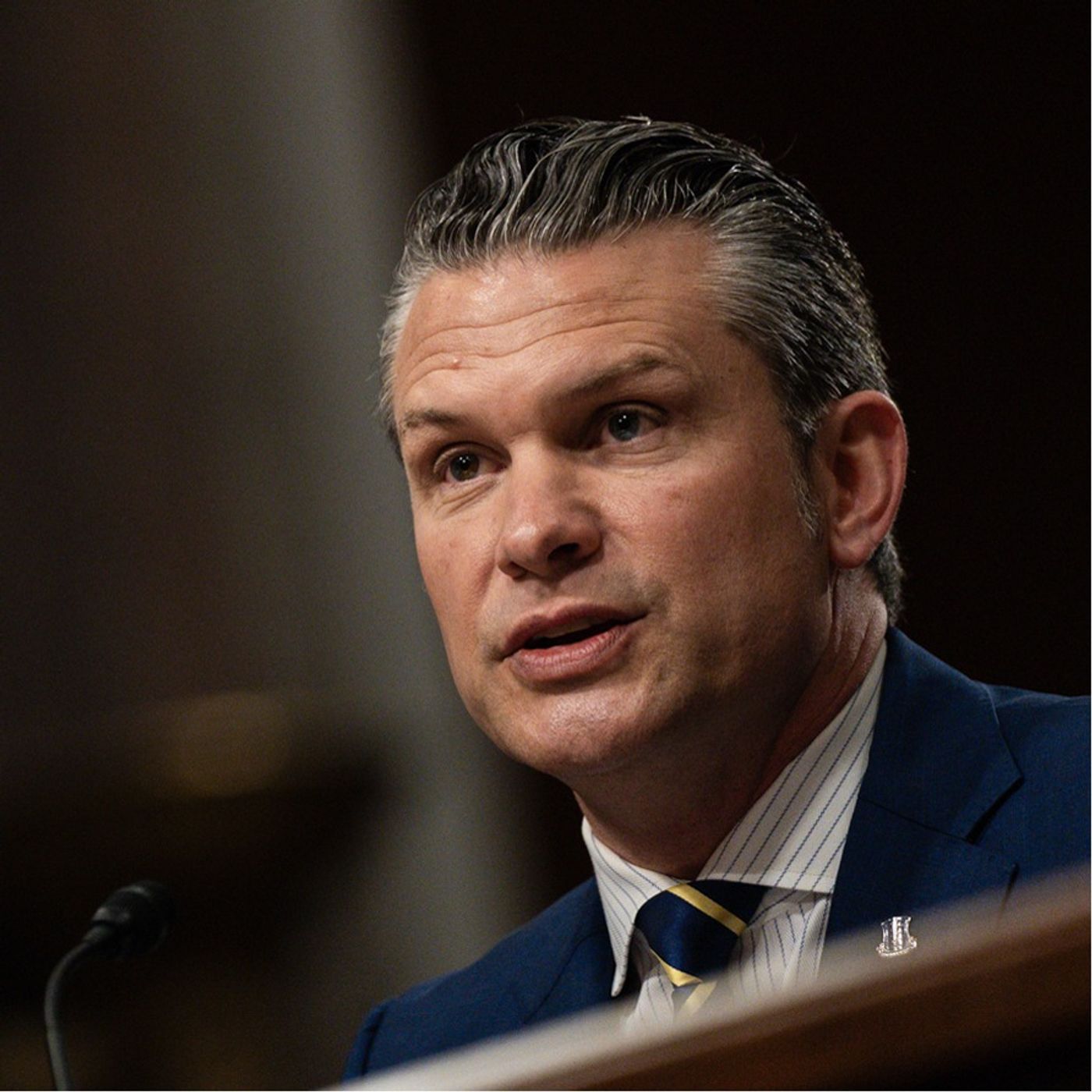
Photo: Tierney L. Cross/The New York Times
For more information on today’s episode, visit nytimes.com/thedaily. Transcripts of each episode will be made available by the next workday.
Subscribe today at nytimes.com/podcasts or on Apple Podcasts and Spotify. You can also subscribe via your favorite podcast app here https://www.nytimes.com/activate-access/audio?source=podcatcher. For more podcasts and narrated articles, download The New York Times app at nytimes.com/app.