

🤖 AI Summary
Overview
This episode dives into the economic ripple effects of global and domestic events, including stockpiling driven by war fears, a dramatic short squeeze in Avis stock, the challenges of tariff refunds, the collapse of Florida's citrus industry, and the historical and current implications of oil price caps.
Notable Quotes
- Live by the meme stock, die by the meme stock.
— Kai Ryssdal, on the volatility of stocks like Avis.
- 100% of the trees are now infected with citrus greening, which means they're either in the process of dying or dead.
— Paul Shea, on the dire state of Florida's citrus industry.
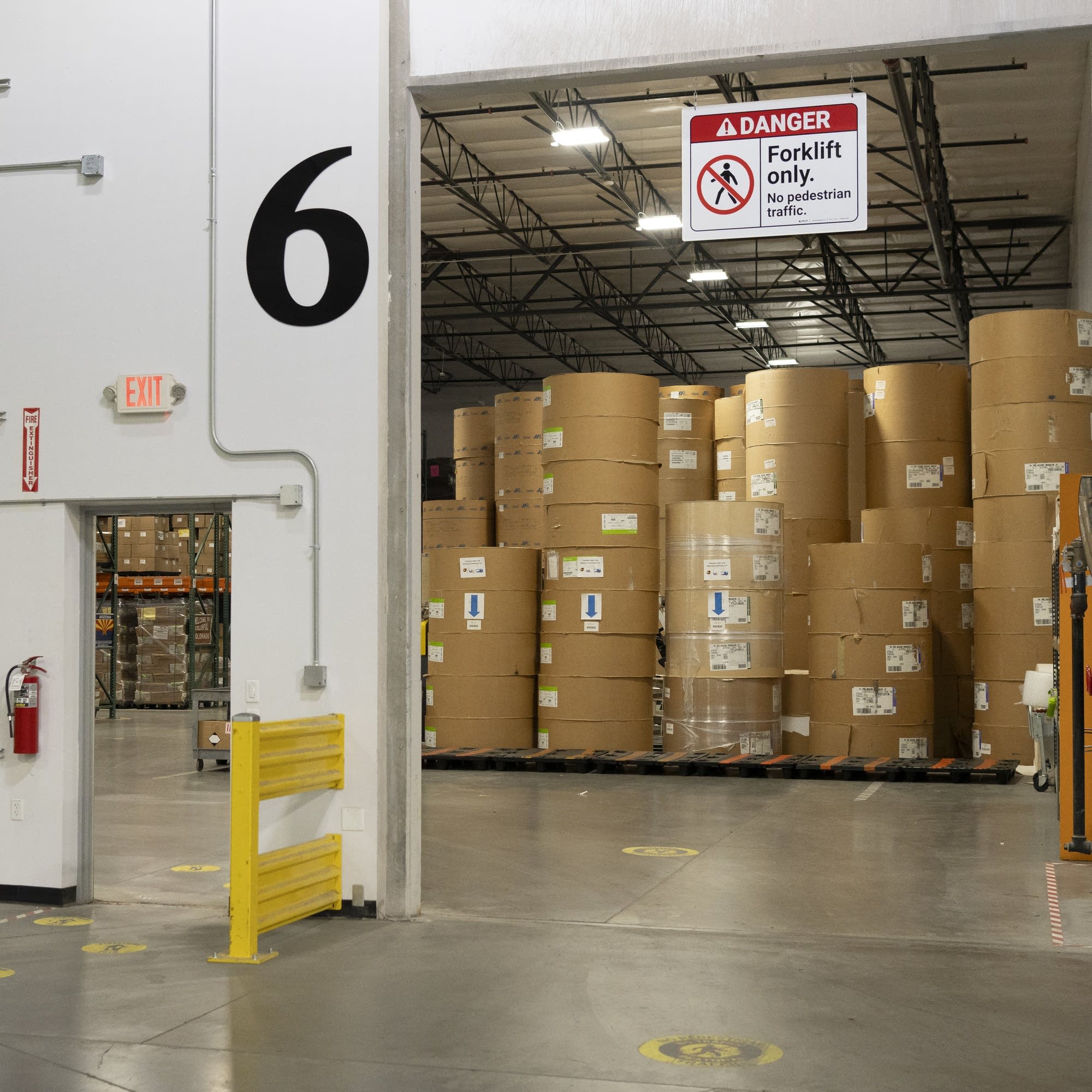
- We're moving into sort of a bunker mentality in manufacturing.
— Paul Shea, on businesses stockpiling goods amid uncertainty.
📈 The Avis Short Squeeze
- Kayley Wells explains how short squeezes occur when investors betting against a stock are forced to buy it back at rising prices, creating a feedback loop.
- Avis stock saw a 48% drop after a meteoric rise, marking its worst day in 28 years.
- Angel Tengulov notes parallels with meme stocks like AMC and GameStop, where elevated prices persisted post-squeeze.
🏭 Stockpiling Amid War Fears
- S&P Global reported a surge in U.S. manufacturing output, but Chris Williamson clarifies this is driven by businesses hoarding materials due to fears of supply chain disruptions from the war in Iran.
- Larger manufacturers are better positioned to stockpile, while smaller firms struggle with cash flow, per Zach Rogers.
- Jason Miller warns of risks: if demand drops, manufacturers could be stuck with excess inventory.
🛃 Tariff Refund Challenges
- Businesses are navigating a cumbersome refund process after a Supreme Court ruling mandated the return of $166 billion in tariffs.
- Kristin Schwab highlights frustrations from small business owners like Sarah Wells, who face delays and technical hurdles.
- Many companies are only receiving partial refunds in the first phase, with no clear timeline for subsequent payouts.
🍊 The Collapse of Florida's Citrus Industry
- Florida's orange production has plummeted by over 95% since 2004, with citrus greening disease infecting all trees, according to Paul Shea.
- Climate change, urban development, and the declining political influence of the citrus industry have exacerbated the crisis.
- Developers are converting former citrus groves into housing, as land becomes more valuable for real estate than agriculture.
⛽ The Economics of Oil Price Caps
- Meg Jacobs reflects on the 1970s oil crisis, noting that price caps often exacerbate shortages by increasing demand while discouraging production.
- Current global oil shocks are worse than those of the 1970s, with countries like South Korea and France implementing price caps to mitigate consumer pain.
- Amihai Glazer warns that price caps can lead to fewer goods being produced if prices fall below production costs.
AI-generated content may not be accurate or complete and should not be relied upon as a sole source of truth.
📋 Episode Description
Business activity growth soared in April, according to S&P Global’s purchasing managers index. The topline number might sound rosy, but experts think the growth spurt is really a sign of fear. In this episode, why businesses spent month two of the war in Iran stockpiling goods. Plus: Avis experiences a stock market “short squeeze,” business owners apply for the first round of tariff refunds, and we look back at the 1970s to understand the economics of oil price caps.
Every story has an economic angle. Want some in your inbox? Subscribe to our daily or weekly newsletter.
Marketplace is more than a radio show. Check out our original reporting and financial literacy content at marketplace.org — and consider making an investment in our future.