

🤖 AI Summary
Overview
This episode explores the escalating U.S. efforts to destabilize Cuba's communist regime, particularly under the Trump administration. It examines the historical context of U.S.-Cuba relations, the role of Venezuela as Cuba's ally, and the strategies employed by figures like Marco Rubio to push for regime change. The discussion also delves into the humanitarian and political consequences of these policies.
Notable Quotes
- This current situation in Cuba is unsustainable.
- Frances Robles, on the dire economic and social conditions on the island.
- If President Trump were to bring down the communist government of Cuba... it would be widely regarded around the world as a historic triumph.
- Michael Crowley, on the potential global impact of U.S. success in Cuba.
- The Cuban regime responded to U.S. pressure by saying, well, it's not a pressure cooker if we have a valve, and that valve is sending people to the United States.
- Natalie Kitroeff, summarizing Cuba's historical strategy to manage internal dissent.
🛢️ The Role of Oil and Economic Pressure
- Cuba produces only 40% of its domestic oil needs, relying heavily on imports from Venezuela and Mexico. Recent U.S. tariffs and pressure have cut off these supplies, exacerbating fuel shortages.
- Acute shortages have led to reduced public services, including hospital closures, limited banking hours, and curtailed school schedules.
- The Trump administration's strategy, influenced by Marco Rubio, aims to weaken Cuba by targeting its economic lifelines, particularly oil.
📜 Historical Context of U.S.-Cuba Relations
- The U.S. has sought to topple Cuba's communist regime since Fidel Castro's rise in 1959, employing tactics like embargoes, invasions (e.g., Bay of Pigs), and even assassination attempts.
- Migration has historically served as a safety valve
for Cuba, allowing discontented citizens to leave, thereby reducing internal pressure for regime change.
- The collapse of the Soviet Union in 1991 and the subsequent special period
marked a severe economic crisis for Cuba, yet the regime endured.
🌴 Shifting U.S. Strategies: From Obama to Trump
- The Obama administration attempted a policy of engagement, promoting tourism and limited economic ties to expose Cubans to capitalism. However, the Cuban government resisted significant reforms.
- The Trump administration reversed these policies, reinstating travel and business restrictions and doubling down on economic isolation.
- Despite Biden's presidency, many of Trump's measures remained in place, signaling bipartisan continuity in pressuring Cuba.
🇻🇪 Venezuela's Collapse and Its Impact on Cuba
- Venezuela, a key ally and oil supplier to Cuba, has been destabilized by U.S. efforts, including the ousting of Nicolás Maduro.
- Marco Rubio viewed weakening Venezuela as a pathway to undermining Cuba, given their close economic and military ties.
- Mexico, another oil supplier, ceased shipments under U.S. pressure, leaving Cuba increasingly isolated.
⚖️ Risks and Challenges of Regime Change
- Experts warn that Cuba's brittle, monolithic political system lacks a viable opposition, making a smooth transition unlikely.
- Potential consequences of regime collapse include chaos, violence, and mass migration to Florida, posing significant risks for the U.S.
- Rubio and Trump aim for economic reforms within Cuba's socialist system, but experts doubt the regime would agree to changes that could lead to its own demise.
AI-generated content may not be accurate or complete and should not be relied upon as a sole source of truth.
📋 Episode Description
For more than six decades, the United States has tried to topple the regime in Cuba. After ousting President Nicolás Maduro of Venezuela, who was one of Cuba’s closest allies, the Trump administration is closer than ever to forcing radical change on the island.
The New York Times reporters Frances Robles and Michael Crowley discuss how the latest escalation is pushing Cuba to the brink, and whether this time the United States will get what it wants.
Guest:
- Frances Robles, an international correspondent covering Latin America and the Caribbean for The New York Times.
- Michael Crowley, a reporter covering the State Department and U.S. foreign policy for The New York Times.
Background reading:
- Cuba’s government has lasted 67 years. Will it fall under Mr. Trump?
- Can Cuba survive without Venezuela’s oil?
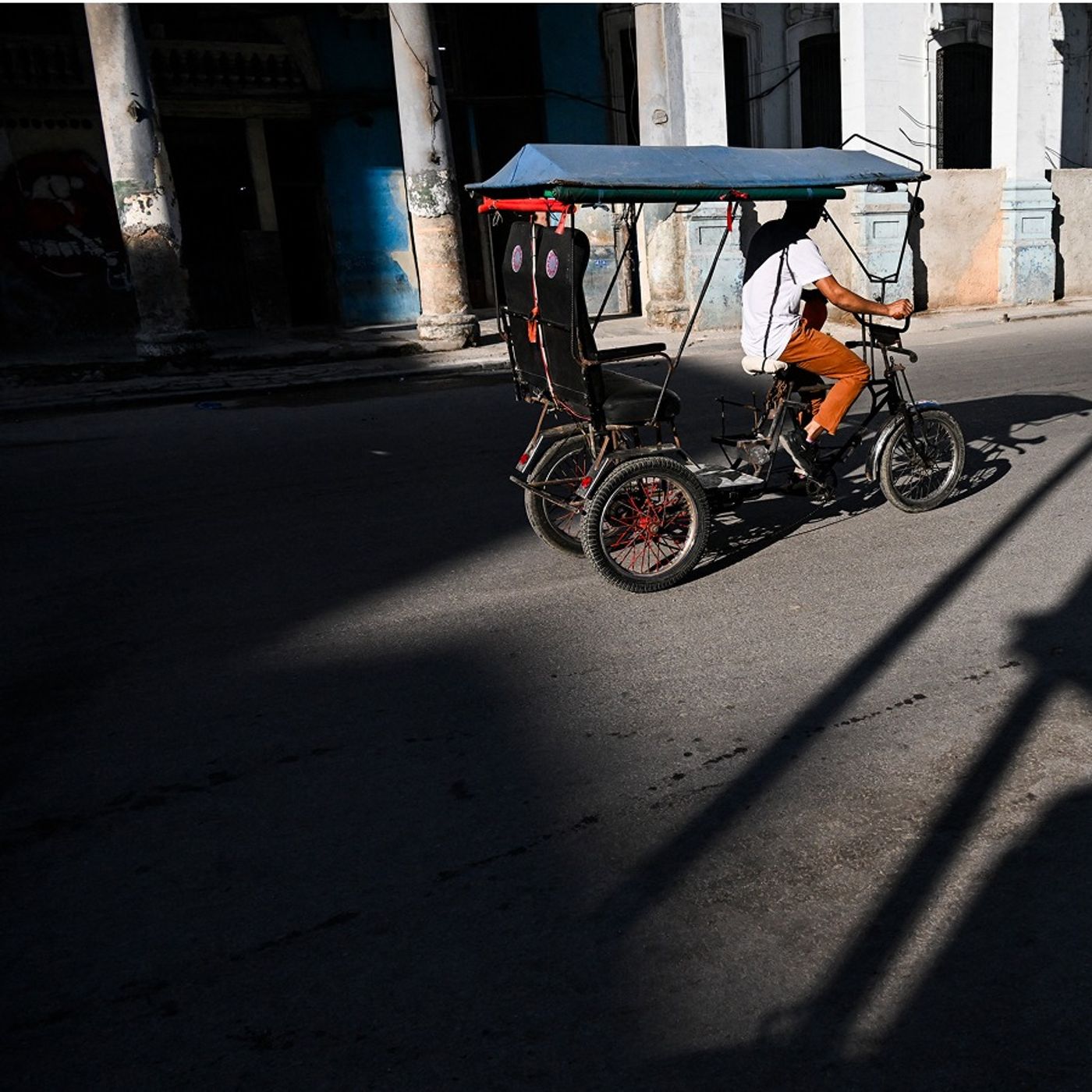
Photo: Yamil Lage/Agence France-Presse — Getty Images
For more information on today’s episode, visit nytimes.com/thedaily. Transcripts of each episode will be made available by the next workday.
Subscribe today at nytimes.com/podcasts or on Apple Podcasts and Spotify. You can also subscribe via your favorite podcast app here https://www.nytimes.com/activate-access/audio?source=podcatcher. For more podcasts and narrated articles, download The New York Times app at nytimes.com/app.
Hosted by Simplecast, an AdsWizz company. See pcm.adswizz.com for information about our collection and use of personal data for advertising.