

🤖 AI Summary
Overview
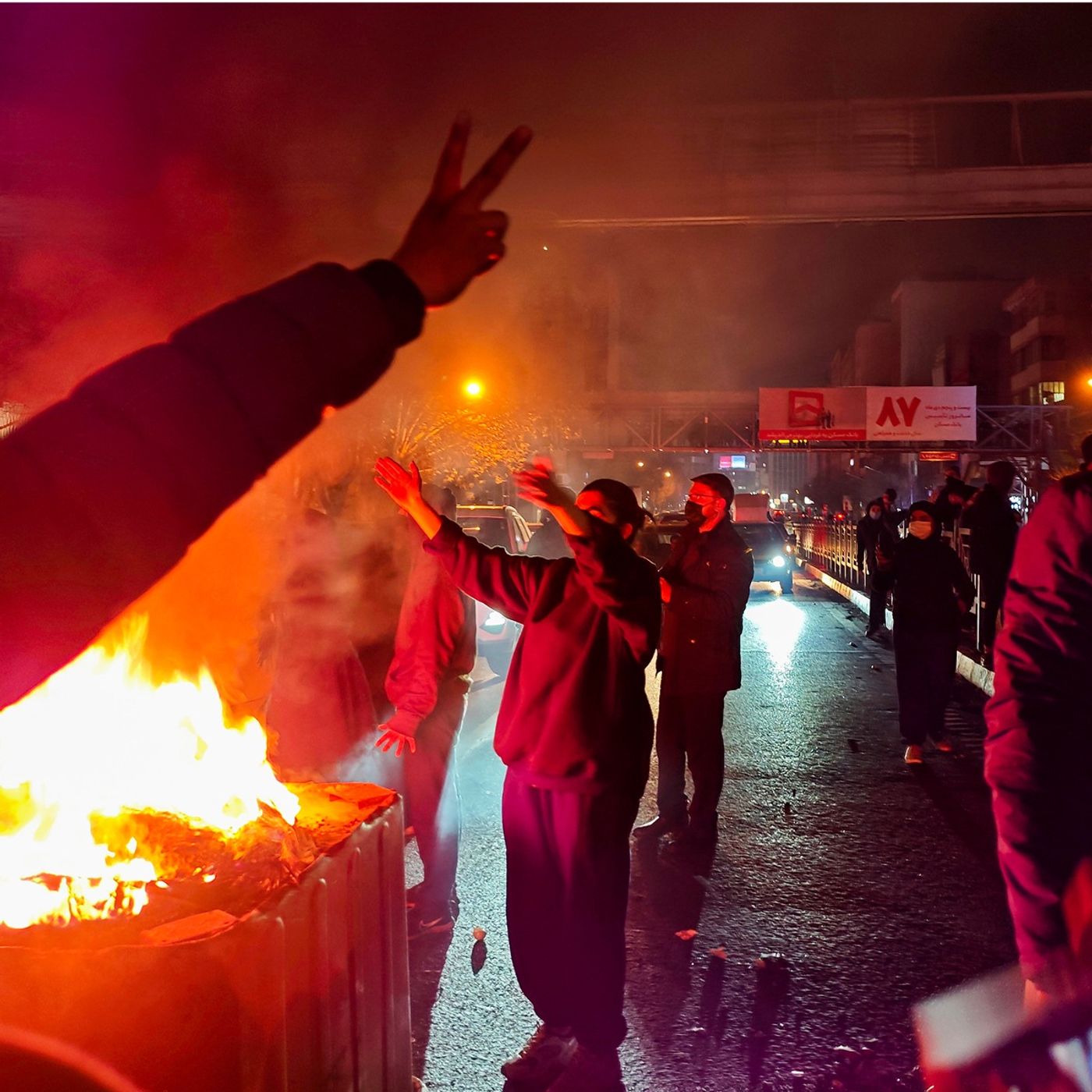
This episode delves into the widespread protests in Iran, sparked by economic collapse and escalating into a broader challenge to the regime's authority. Farnaz Fassihi provides insights into the protesters' motivations, the government's brutal crackdown, and the internal and external pressures threatening the regime's stability.
Notable Quotes
- This is a level of violence and cruelty that I haven't seen in the 30 years that I've been covering Iran.
– Farnaz Fassihi, on the government's brutal response to protests.
- The Iranian people have lost their fear.
– Farnaz Fassihi, on the resilience of the protesters despite violent crackdowns.
- Why not us?
– Farnaz Fassihi, summarizing the sentiment of young Iranians comparing their lives to those in freer, more prosperous nations.
📉 Economic Collapse and Its Role in Protests
- Iran's economy has been deteriorating for years, exacerbated by U.S. sanctions targeting oil revenues and banking systems.
- The currency, the rial, plunged to an all-time low in December, triggering inflation of 60% and tripling the cost of basic goods like cooking oil and rice.
- Protests began in Tehran's bazaar, a critical economic hub, and spread to working-class areas and smaller towns.
- Government measures, such as sacking the central bank governor and offering a $7 monthly stipend, failed to appease the public and fueled further outrage.
🪧 Broader Grievances Against the Regime
- Beyond economic issues, Iranians are frustrated by the regime's authoritarianism and lack of social and political freedoms.
- The younger generation, connected via social media, aspires to the freedoms and prosperity seen in other countries, including neighboring Muslim nations.
- Protesters chant slogans like Death to the dictator
and Freedom,
reflecting a deep disconnect between the people and the clerical leadership.
- Nostalgia for the pre-1979 monarchy is evident in chants like Long live the Shah.
🔫 Brutal Crackdown on Protests
- The government has responded with extreme violence, including shootings by snipers and machine guns, resulting in thousands of deaths.
- Hospitals report horrific injuries, with many protesters shot at close range.
- The regime has cut internet access and disrupted communications to suppress organizing efforts and limit international visibility.
- Videos and eyewitness accounts reveal the scale of the violence, including morgues overflowing with bodies.
🌍 External Pressures and Geopolitical Context
- Iran's regional influence has weakened due to military losses, including a 12-day war with Israel and U.S. strikes on its nuclear facilities.
- The regime is on high alert, fearing potential U.S. military action, especially given President Trump's threats and past actions, such as the killing of Iran's top general.
- Protesters are emboldened by the regime's vulnerabilities, seeing this as a potential turning point.
⚖️ Risks of Regime Change and Future Uncertainty
- While the regime faces significant challenges, there are no signs of internal defections among military or political elites.
- Military intervention by the U.S. could lead to prolonged instability, with risks of insurgencies, ethnic separatism, and power vacuums exploited by extremist groups.
- Despite the risks, the protests reflect a growing determination among Iranians to push for change, building on decades of grassroots movements.
AI-generated content may not be accurate or complete and should not be relied upon as a sole source of truth.
📋 Episode Description
Iran is experiencing expansive protests after economic grievances snowballed over the past two weeks into a broader challenge to the country’s authoritarian clerical rulers.
In recent days, a full picture of the government’s crackdown on demonstrators has emerged, garnering global condemnation and threats of action from President Trump.
Farnaz Fassihi, who has been covering the story, explains what is driving the protesters and why the regime may be facing one of its gravest challenges in decades.
Guest: Farnaz Fassihi, the United Nations bureau chief for The New York Times.
Background reading:
- Accounts of a brutal crackdown are emerging from Iran despite communications restrictions.
- Here’s what to know about the protests in Iran.
Photo: Getty Images/Getty Images
For more information on today’s episode, visit nytimes.com/thedaily. Transcripts of each episode will be made available by the next workday.
Subscribe today at nytimes.com/podcasts or on Apple Podcasts and Spotify. You can also subscribe via your favorite podcast app here https://www.nytimes.com/activate-access/audio?source=podcatcher. For more podcasts and narrated articles, download The New York Times app at nytimes.com/app.