

🤖 AI Summary
Overview
This episode explores the current state of the AI industry, examining whether the massive investments in artificial intelligence are justified or indicative of a speculative bubble. Cade Metz provides insights into Silicon Valley's unwavering belief in AI's transformative potential, the risks associated with its development, and the parallels to past economic bubbles.
Notable Quotes
- OpenAI alone has said it's going to spend $500 billion on data centers in the United States alone. $500 billion in today's money could fund about 15 Manhattan projects or the Apollo program two times over.
- Cade Metz, on the staggering costs of AI infrastructure.
- No one wants to miss out on what could be the most transformative technology the world has ever seen. And if you don't want to miss out on that, you have to make your bet now.
- Cade Metz, on the fear of missing out driving AI investments.
- The future that they're building toward here may not actually be a future that all that many people actually want.
- Natalie Kitroeff, reflecting on the societal implications of AI replacing human workers.
🧠 The Promise and Potential of AI
- Cade Metz highlights how AI is already transforming industries, from healthcare to business operations, with applications like meeting transcription and drug discovery.
- Silicon Valley executives envision artificial general intelligence (AGI)—machines capable of performing all economically valuable human tasks—as the ultimate goal, despite its speculative nature.
- Companies like Meta and Nvidia are optimistic about AI's ability to enhance human capabilities, with Nvidia's CEO encouraging people to adopt AI tutors to become superhumans.
💸 The Cost of Building AI Infrastructure
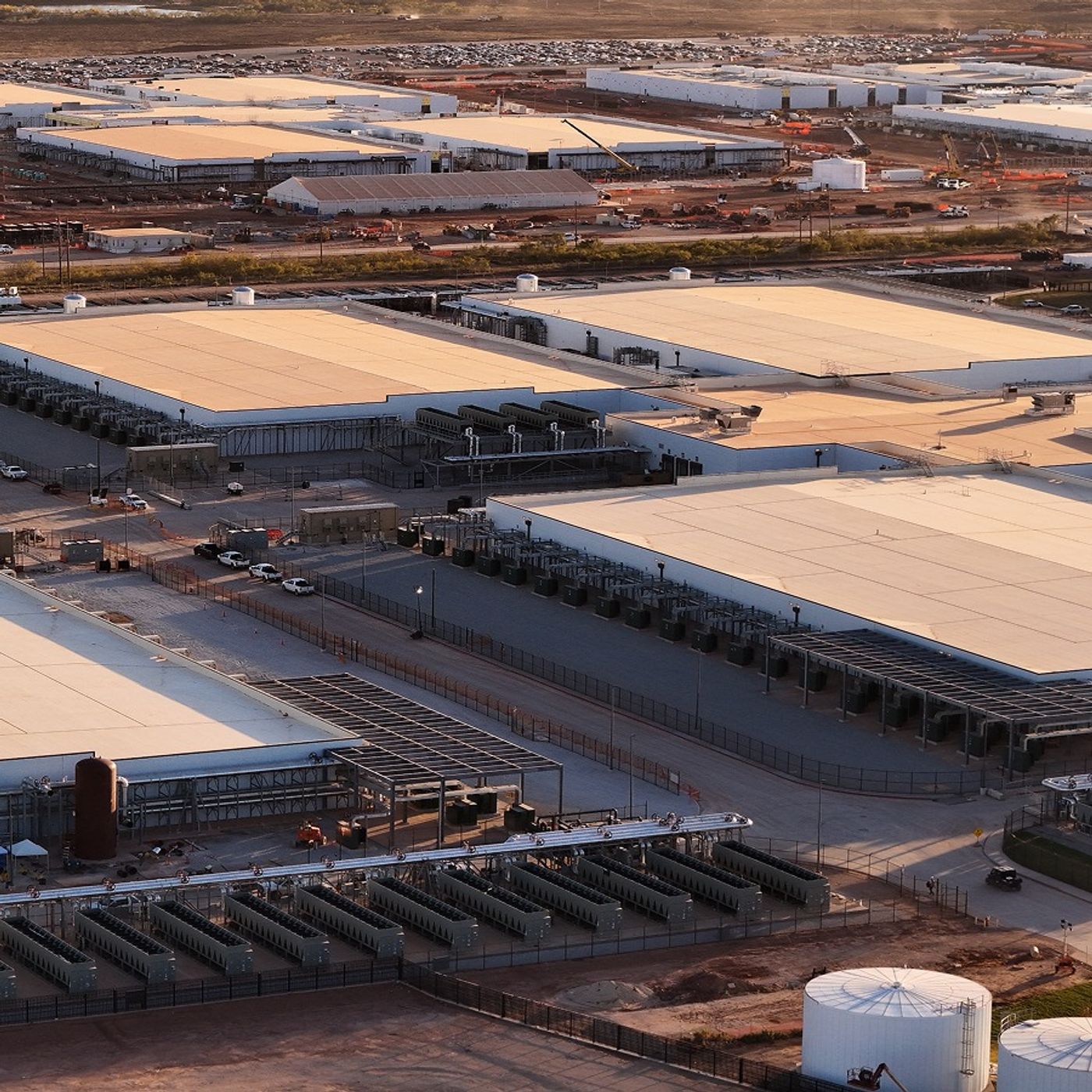
- Developing AI requires enormous financial investment, with OpenAI planning to spend $500 billion on U.S. data centers alone. Globally, AI infrastructure spending is projected to reach $3 trillion.
- The scale of spending is compared to historical projects like the Manhattan Project and Apollo program, underscoring the unprecedented financial commitment.
- Smaller companies, such as Coreweave, are taking on significant debt to build data centers, raising concerns about their financial stability.
📉 Parallels to Economic Bubbles
- The AI boom is likened to the dot-com bubble, where excessive investment led to many failures but also laid the groundwork for today's internet infrastructure.
- Cade Metz notes that while the dot-com bubble eventually produced winners like Amazon, the scale of risk in the AI industry is far larger, potentially leading to more severe fallout if the bubble bursts.
- Analysts worry about systemic risks tied to debt financing, reminiscent of the housing bubble, with opaque private credit institutions and asset-backed securities complicating transparency.
⚠️ Risks and Uncertainty in AI Investments
- The reliance on debt by smaller companies and the sheer magnitude of spending create vulnerabilities in the AI sector. If AI fails to deliver expected revenues, companies may struggle to repay debts, potentially impacting the broader economy.
- The lack of clarity around the total debt in the system adds to concerns about systemic risk. Morgan Stanley estimates that $1 trillion of the $3 trillion spent on AI infrastructure will be debt-financed.
- Cade Metz emphasizes the uncertainty surrounding AI's future, with industry leaders like Sam Altman acknowledging the speculative nature of current investments.
🤔 Societal Implications of AI Development
- The pursuit of AGI raises ethical and societal questions, as it aims to replace human workers en masse. Natalie Kitroeff notes that many people may view the failure to achieve AGI as a relief rather than a setback.
- While AI promises significant advancements, such as in healthcare, it also poses challenges that require careful consideration and preparation for its potential impact on society and the economy.
- Cade Metz suggests that slower progress in AI development could provide valuable time to address these concerns and adapt to the changes it may bring.
AI-generated content may not be accurate or complete and should not be relied upon as a sole source of truth.
📋 Episode Description
After years of soaring optimism and colossal investment, Wall Street has begun to seriously question whether the frenzy for A.I. is justified.
Cade Metz, who covers technology for The New York Times, explains why Silicon Valley companies believe so fervently in A.I. and why they’re willing to take enormous risks to deliver on its promise.
Guest: Cade Metz, a technology reporter for The New York Times.
Background reading:
- Why debt funding is ratcheting up the risks of the A.I. boom.
- Amazon, Google, Meta, Microsoft and OpenAI plan to spend at least $325 billion by the end of the year in pursuit of A.I.
Photo: Scott Ball for The New York Times
For more information on today’s episode, visit nytimes.com/thedaily. Transcripts of each episode will be made available by the next workday.
Subscribe today at nytimes.com/podcasts or on Apple Podcasts and Spotify. You can also subscribe via your favorite podcast app here https://www.nytimes.com/activate-access/audio?source=podcatcher. For more podcasts and narrated articles, download The New York Times app at nytimes.com/app.