

🤖 AI Summary
Overview
This episode delves into the explosive scandal surrounding Jensen Huang, the CEO of Nvidia, who admitted to an affair with a woman identified by U.S. intelligence as a Chinese spy. The discussion explores the implications for Nvidia, a company central to the AI revolution, and the broader geopolitical and economic stakes tied to this controversy.
Notable Quotes
- Sex and spies and semiconductors—what can be more engrossing than that combination?
— Tripp Mickle, on the sensational nature of the story.
- The way we see Jensen Huang has changed forever.
— Tripp Mickle, on the lasting impact of the scandal.
- This is a major misstep that could force him to spend time testifying about the past rather than designing the future of AI.
— Tripp Mickle, on the potential fallout for Huang and Nvidia.
🕵️♂️ The Scandal Unfolds
- Jensen Huang, Nvidia's CEO, admitted to an affair with Alice Wong, a woman identified by U.S. intelligence as a Chinese spy working for Beijing's Ministry of State Security.
- Wong allegedly sought to extract information about Nvidia's AI chip technology and influence U.S. policy on AI exports to China.
- Huang's relationship with Wong has raised concerns about potential security breaches and the integrity of his policy advocacy for selling AI chips to China.
💻 Nvidia’s Central Role in AI
- Nvidia dominates the AI chip market with a 90% share, powering platforms like ChatGPT and other AI systems.
- The company’s success has made it a linchpin in the global AI race, with significant implications for U.S.-China relations and the global economy.
- Jensen Huang’s leadership is seen as indispensable, with no clear successor in place, making the scandal even more precarious for Nvidia’s future.
🌏 Geopolitical Tensions and U.S.-China Rivalry
- The U.S. has restricted the sale of advanced AI chips to China, but loopholes allowed companies like MegaSpeed, a Singapore-based firm with ties to China, to acquire Nvidia chips.
- Wong’s role as CEO of MegaSpeed and her connections to Huang have fueled suspicions of a smuggling operation to bypass U.S. export controls.
- The scandal highlights the high stakes of the U.S.-China competition for AI supremacy and the vulnerabilities of key players like Nvidia.
⚖️ Political and Corporate Fallout
- U.S. intelligence briefed President Trump about Wong’s activities and her relationship with Huang, but no immediate action was taken, raising questions about political priorities.
- Nvidia’s board has launched an independent investigation into Huang’s relationship with Wong and the company’s dealings with MegaSpeed.
- The scandal has drawn attention from lawmakers, with potential hearings and increased scrutiny on Nvidia’s role in U.S. AI policy.
📉 The Stakes for Nvidia and the Economy
- Nvidia’s stock market performance is closely tied to the health of the AI industry, making the scandal a potential economic risk.
- Huang’s advocacy for selling chips to China aligns with his belief that U.S. dominance in AI depends on keeping China reliant on American technology.
- The board faces a dilemma: Huang’s leadership is critical to Nvidia’s success, but the scandal has cast doubt on his judgment and credibility.
AI-generated content may not be accurate or complete and should not be relied upon as a sole source of truth.
📋 Episode Description
Over the weekend, Jensen Huang, the chief executive and co-founder of Nvidia — which makes the chips that power artificial intelligence — admitted to having an affair with a woman who, according to U.S. officials, turned out to be a Chinese spy. That revelation came after The New York Times broke the story of how U.S. intelligence officers uncovered what they say was a plot by Mr. Huang’s lover to use their relationship to funnel information to Beijing.
Tripp Mickle, a White House correspondent for The Times, explains how Beijing tried to compromise one of the tech executives closest to President Trump, and what the scandal could mean for a company with enormous influence over the future of A.I. — and the entire American economy.
Guest: Tripp Mickle, a White House correspondent for The New York Times.
Background reading:
- Jensen Huang’s tight grip on Nvidia presents a challenge for the company’s board, which is investigating his affair with a woman believed to be a Chinese spy.
- Mr. Huang acknowledged having had an intimate relationship with a business executive who U.S. officials determined was working for Chinese intelligence.
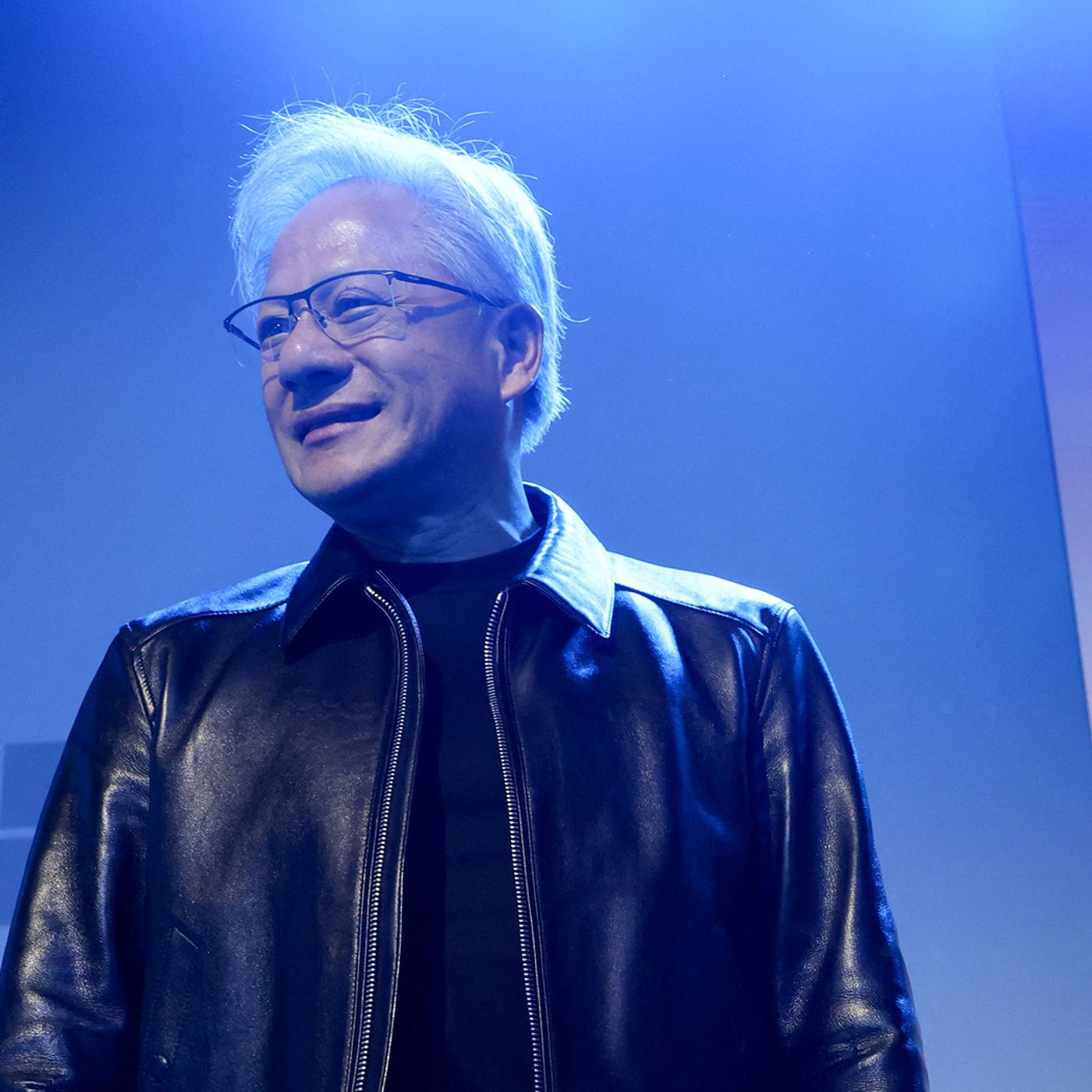
Photo: Manuel Orbegozo/Reuters
For more information on today’s episode, visit nytimes.com/thedaily. Transcripts of each episode will be made available by the next workday.
For more information on today’s episode, visit nytimes.com/thedaily. Transcripts of each episode will be made available by the next workday.
Subscribe today at nytimes.com/podcasts or on Apple Podcasts, Spotify and Amazon Music. You can also subscribe via your favorite podcast app here https://www.nytimes.com/activate-access/audio?source=podcatcher. For more podcasts and narrated articles, download The New York Times app at nytimes.com/app.
Hosted by Simplecast, an AdsWizz company. See pcm.adswizz.com for information about our collection and use of personal data for advertising.