

🤖 AI Summary
Overview
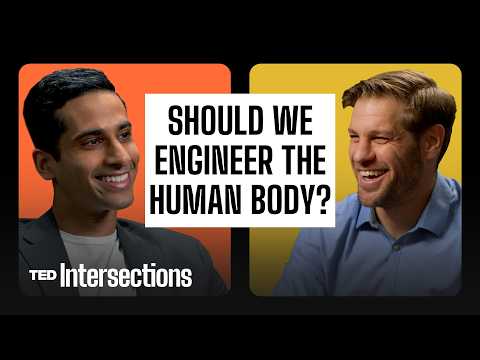
This episode explores the intersection of technology, biology, and medicine, focusing on how advancements like genetic engineering, artificial intelligence, and microbiome research are reshaping healthcare. The conversation also delves into the ethical and practical challenges of these innovations, emphasizing the balance between technological progress and human-centered care.
Notable Quotes
- The most important metric is really this qualitative sense of: Do I feel healthy today?
– Dhruv Khullar, on the limitations of over-quantifying health.
- If you use genetic engineering responsibly and build something that creates a benefit for the end user, then that's a much different kind of calculus.
– Zack Abbott, on public perceptions of GMOs.
- We are really a walking ecosystem.
– Zack Abbott, on the profound impact of the gut microbiome on human health.
🌡️ Rethinking Health Metrics
- Dhruv Khullar critiques the overemphasis on health metrics, arguing that they can disconnect people from their own bodies. He advocates for a balance between quantitative data and subjective well-being.
- Zack Abbott highlights the microbiome as an example of a health area that lacks actionable metrics, suggesting simple steps like increasing fiber intake to improve gut health.
- Both agree that while metrics like step counts or sleep trackers can motivate behavior, they should not replace intuitive self-awareness.
🧬 The Future of Genetic Engineering
- The conversation highlights the transformative potential of genetic engineering, such as curing sickle cell anemia and addressing genetic diseases like Huntington's.
- Dhruv Khullar emphasizes the ethical concerns of editing germline cells, which could pass changes to future generations without their consent.
- Zack Abbott counters with the idea that even germline editing has gray areas, especially when it could prevent severe genetic diseases. He advocates for open-mindedness and careful consideration of risks and benefits.
🤖 AI in Healthcare
- Dhruv Khullar predicts that AI will handle routine medical tasks like diagnosing UTIs or analyzing X-rays, freeing up clinicians to focus on complex, human-centered care.
- Both speakers discuss the balance between automation and the irreplaceable value of human empathy in areas like palliative care and chronic disease management.
- They note that AI can sometimes outperform humans in specific tasks but emphasize its role as a tool to enhance, not replace, human expertise.
🩺 Revolutionizing Cancer Detection
- Emerging technologies like liquid biopsies and full-body MRIs could radically improve early cancer detection, potentially saving lives by identifying malignancies before symptoms appear.
- Dhruv Khullar stresses the need for better evidence and technology to reduce false positives and make these methods more accessible.
- The discussion underscores the public's appetite for proactive, technology-driven healthcare solutions.
🌱 The Promise and Perception of Biotechnology
- Zack Abbott explains that public resistance to GMOs often stems from a lack of direct consumer benefit. He argues that biotechnology can be used to enhance food quality and nutrition, such as engineering tastier, more nutrient-rich produce.
- Both speakers agree that the key to public acceptance lies in transparency, responsible use, and aligning technological advancements with consumer values.
- They discuss the broader challenge of communicating scientific nuance in a world where oversimplified or sensationalized information often dominates.
AI-generated content may not be accurate or complete and should not be relied upon as a sole source of truth.
📋 Video Description
There's more health advice available than ever before — and no easy way to tell what’s worth your time. From biotech breakthroughs to smarter cancer screening, physician Dhruv Khullar and microbiologist Zack Abbott examine what happens when science can change who we are — including the potential of reengineering the human body — and what medicine might look like in 20 years. (This conversation is part of “TED Intersections,” a series featuring thought-provoking conversations between experts navigating the ideas shaping our world.)
Join us in person at a TED conference: https://tedtalks.social/events
Become a TED Member to support our mission: https://ted.com/membership
Subscribe to a TED newsletter: https://ted.com/newsletters
Follow TED!
Instagram: https://www.instagram.com/ted
LinkedIn: https://www.linkedin.com/company/ted-conferences
TikTok: https://www.tiktok.com/@tedtoks
Facebook: https://facebook.com/TED
X: https://www.twitter.com/TEDTalks
The TED Talks channel features the best talks and performances from the TED Conference, where the world's leading thinkers and doers give the talk of their lives in 18 minutes (or less) — plus originals, podcasts and exclusive content. Look for videos on Technology, Entertainment and Design as well as science, business, global issues, the arts and more. Visit https://TED.com for our entire library, transcripts, translations and personalized recommendations.
Watch more: https://go.ted.com/tedintersections
https://youtu.be/4qtsOh2FwIs
TED videos may be used for non-commercial purposes under a Creative Commons License, Attribution–Non Commercial–No Derivatives (or the CC BY – NC – ND 4.0 International) and in accordance with the TED Talks Usage Policy: https://www.ted.com/about/our-organization/our-policies-terms/ted-talks-usage-policy. For more information on using TED for commercial purposes (e.g. employee learning, in a film or online course), submit a request at https://media-requests.ted.com
#TED #TEDTalks #Health