

🤖 AI Summary
Overview
This episode delves into the extraordinary story of two families who discovered their babies were switched during an IVF procedure. It explores the emotional, ethical, and logistical challenges they faced, as well as the profound choices they made to redefine family and love in the wake of this unimaginable mistake.
Notable Quotes
- There was part of us that just wanted to run away from all of it. What if we just fled to Mexico?
– Alexander Cardinale, on the initial shock of discovering the IVF mix-up.
- I think they were making a choice, either to close their heart or to make it bigger.
– Susan Dominus, reflecting on the families' decisions to embrace love and connection.
- She deserves to have me be fully present. She needs me to get over my BS so that I can just be here for her and love her completely.
– Dafna Cardinale, on her realization of her role as Zoe's mother.
🧬 The Miracle and Risks of IVF
- IVF has revolutionized family planning, enabling people to conceive despite infertility or age-related challenges. Susan Dominus highlights its transformative impact, calling it a miraculous scientific advancement.
- However, the industry remains under-regulated, with high-volume, for-profit clinics prone to human error. This lack of oversight can lead to devastating mistakes, such as the embryo mix-up central to this story.
👶 The Discovery of the Mix-Up
- Dafna and Alexander Cardinale initially dismissed their baby Mae's physical differences as quirks of genetics. However, growing doubts led them to conduct genetic testing, which revealed neither parent was biologically related to Mae.
- The revelation prompted fears about their biological child’s whereabouts and raised questions about the IVF clinic's protocols.
💔 The Emotional Toll of Switching Babies
- Both families faced the heart-wrenching decision to exchange the babies they had bonded with for their biological children.
- The transition was carefully planned, involving gradual meetings to help the babies and siblings adjust. Despite this, the emotional strain was immense, with Dafna Cardinale describing moments of profound grief and guilt.
🤝 Redefining Family Through Connection
- Instead of severing ties, the two families chose to build a shared life, celebrating holidays and milestones together. This unconventional arrangement allowed both sets of parents to remain connected to the children they had initially raised.
- The children, Mae and Zoe, developed a unique bond, referring to each other as sister best friends.
🌍 Broader Implications for Family and Technology
- The story underscores the evolving definitions of family in the face of technological advancements like IVF. Susan Dominus emphasizes the importance of approaching these changes with humanity, grace, and love.
- It also raises critical questions about the need for stricter regulations and oversight in fertility clinics to prevent similar tragedies.
AI-generated content may not be accurate or complete and should not be relied upon as a sole source of truth.
📋 Episode Description
For millions of families, in vitro fertilization is a modern medical miracle. But the field is largely unregulated, and for a small number of parents, things can go terribly wrong.
Susan Dominus discusses her story about how two families navigated an unthinkable I.V.F. mistake that will connect them for the rest of their lives.
Guest: Susan Dominus, a staff writer at The New York Times Magazine.
Background reading:
- Read Susan’s original article from 2024.
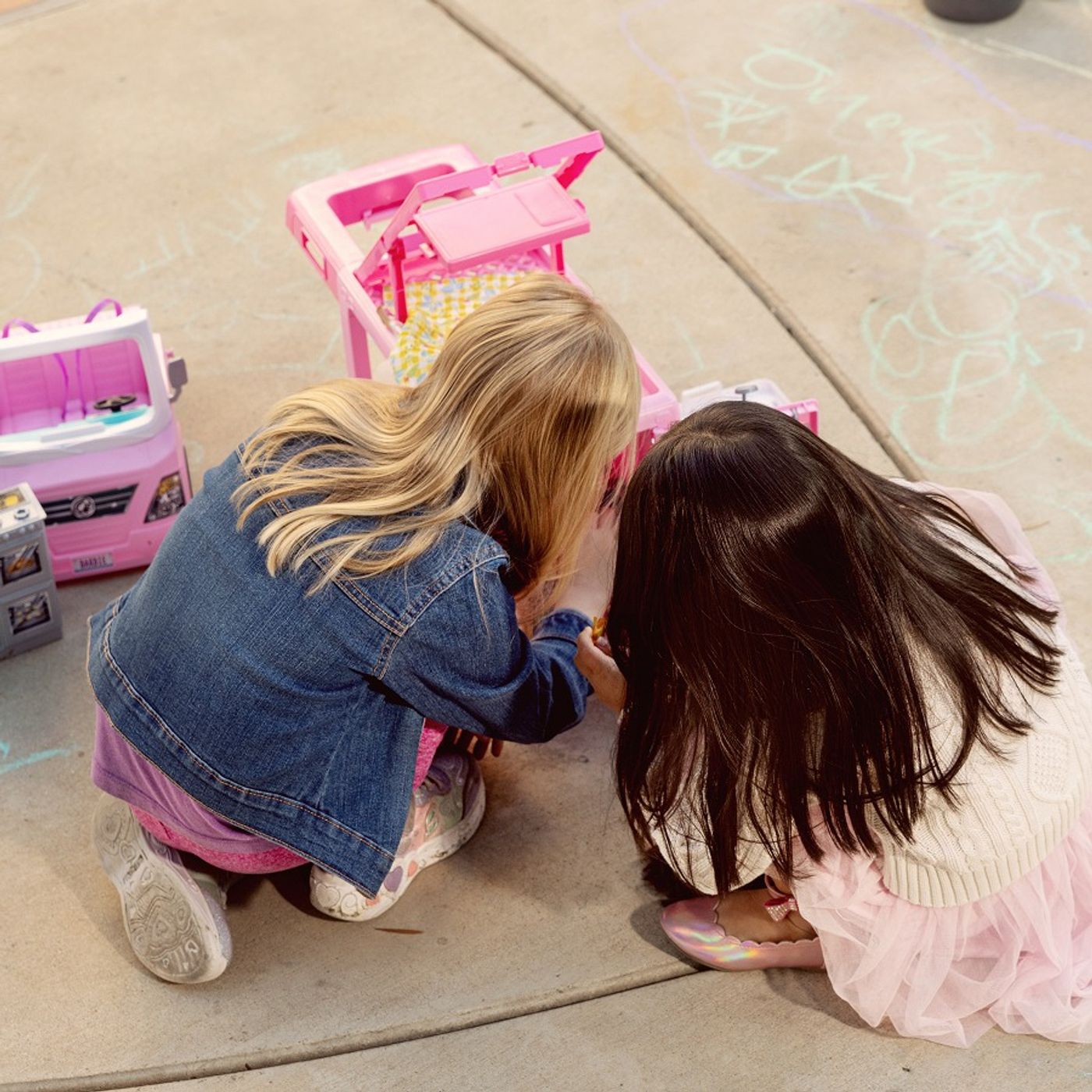
Photo: Holly Andres for The New York Times
For more information on today’s episode, visit nytimes.com/thedaily. Transcripts of each episode will be made available by the next workday.
Subscribe today at nytimes.com/podcasts or on Apple Podcasts and Spotify. You can also subscribe via your favorite podcast app here https://www.nytimes.com/activate-access/audio?source=podcatcher. For more podcasts and narrated articles, download The New York Times app at nytimes.com/app.