

🤖 AI Summary
Overview
This episode investigates the harrowing experiences of over 200 Venezuelan men deported by the Trump administration to a maximum-security prison in El Salvador. Through interviews with 40 of these men, journalist Julie Turkewitz uncovers widespread physical, psychological, and sexual abuse, raising questions about the U.S. government's role in enabling such conditions.
Notable Quotes
- This is hell. You will leave here only in a body bag.
– A Salvadoran guard, as recalled by one of the deported men.
- How far are Americans willing to go for migration deterrence?
– Julie Turkewitz, reflecting on the implications of the U.S. deportation policy.
- We should be focusing our reporting elsewhere, specifically on children killed by vicious, illegal aliens.
– A Trump administration spokesperson, dismissing the abuse allegations.
🛑 Deportation and Detention Policies
- The Trump administration deported over 200 Venezuelan men to El Salvador, labeling them as gang members without trials or evidence.
- Tattoos and scars were used as indicators of gang affiliation, despite a lack of proof.
- The deportation was part of a broader strategy to deter migration, with officials refusing to release names or criminal histories of the detainees.
🏚️ Conditions Inside the Salvadoran Prison
- Prisoners were subjected to inhumane conditions: overcrowded cells, metal beds without mattresses, and drinking water sourced from open cisterns.
- Medical care was often denied or inadequate, with one diabetic inmate receiving incorrect insulin, leading to severe health complications.
- Physical abuse was rampant, including beatings, forced restraint positions, and shootings with rubber bullets.
🩸 Acts of Desperation and Rebellion
- Prisoners resorted to self-harm, using their blood to write protest messages like We are not criminals, we are migrants.
- A violent rebellion erupted after a severe beating, with inmates briefly escaping their cells before facing brutal retaliation from guards.
- Some detainees contemplated suicide, believing it might lead to their collective release.
🇻🇪 Release and Aftermath
- The Venezuelan government negotiated the prisoners' release in exchange for U.S. citizens detained in Venezuela.
- Many of the released men suffer from PTSD, physical injuries, and separation from their families.
- Despite the abuse, the Trump administration did not deny the allegations, instead deflecting attention to crimes committed by other migrants.
❓ Accountability and Ethical Questions
- The U.S. government was aware of reports of torture in Salvadoran prisons but proceeded with the deportations.
- The lack of public outrage compared to past instances of U.S.-linked torture raises questions about societal attitudes toward migration deterrence.
- The episode highlights the ethical implications of outsourcing detention and punishment to foreign governments.
AI-generated content may not be accurate or complete and should not be relied upon as a sole source of truth.
📋 Episode Description
Warning: This episode mentions suicide.
In March, the U.S. government sent more than 200 Venezuelan men to a maximum-security prison in El Salvador. Over four months, the men said they endured physical, mental and sexual abuse.
Julie Turkewitz, the Andes bureau chief at The New York Times, interviewed 40 of these prisoners. She explains what she found out about this part of President Trump’s program of mass deportation.
Guest: Julie Turkewitz, the Andes bureau chief for The New York Times, based in Bogotá, Colombia.
Background reading:
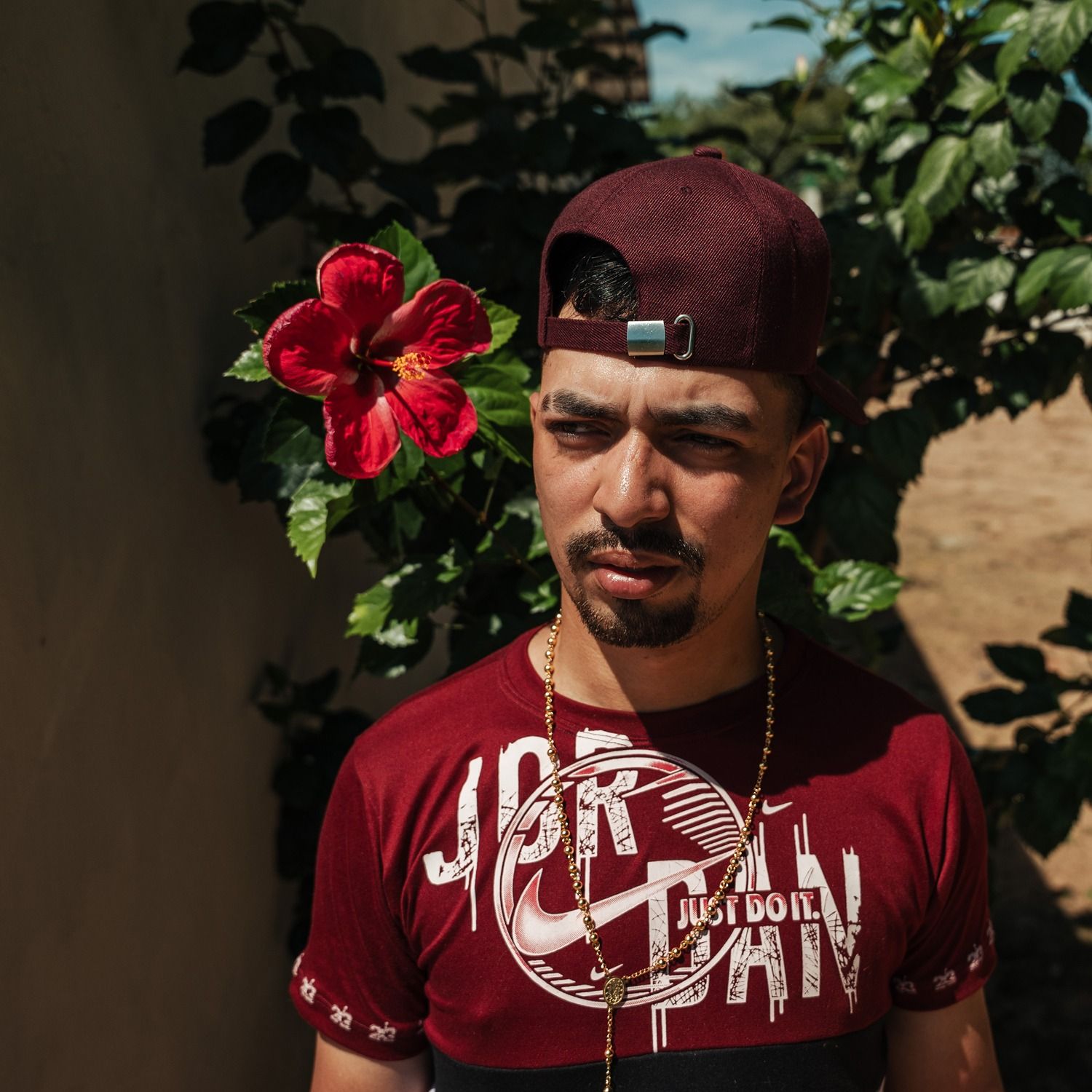
Photo: Adriana Loureiro Fernandez for The New York Times
For more information on today’s episode, visit nytimes.com/thedaily. Transcripts of each episode will be made available by the next workday.
Subscribe today at nytimes.com/podcasts or on Apple Podcasts and Spotify. You can also subscribe via your favorite podcast app here https://www.nytimes.com/activate-access/audio?source=podcatcher. For more podcasts and narrated articles, download The New York Times app at nytimes.com/app.