

🤖 AI Summary
Overview
This episode explores Boeing's remarkable recovery after years of setbacks, including fatal crashes, production delays, and regulatory challenges. It also delves into the rise of perpetual futures in prediction markets, the shift toward direct-to-consumer car sales, and the economic ripple effects of tariffs and global shipping disruptions.
Notable Quotes
- Boeing is finally, finally, finally on an upward trajectory.
— Scott Hamilton, on the company's recovery.
- American houses are getting bigger, but we buy a lot of stuff people can't bear to part with.
— Fred Bernstein, on the self-storage boom.
- Fully 75% of Google's new computer code is being written by Agentic AI.
— Sundar Pichai, highlighting the rapid adoption of AI in tech.
✈️ Boeing’s Comeback
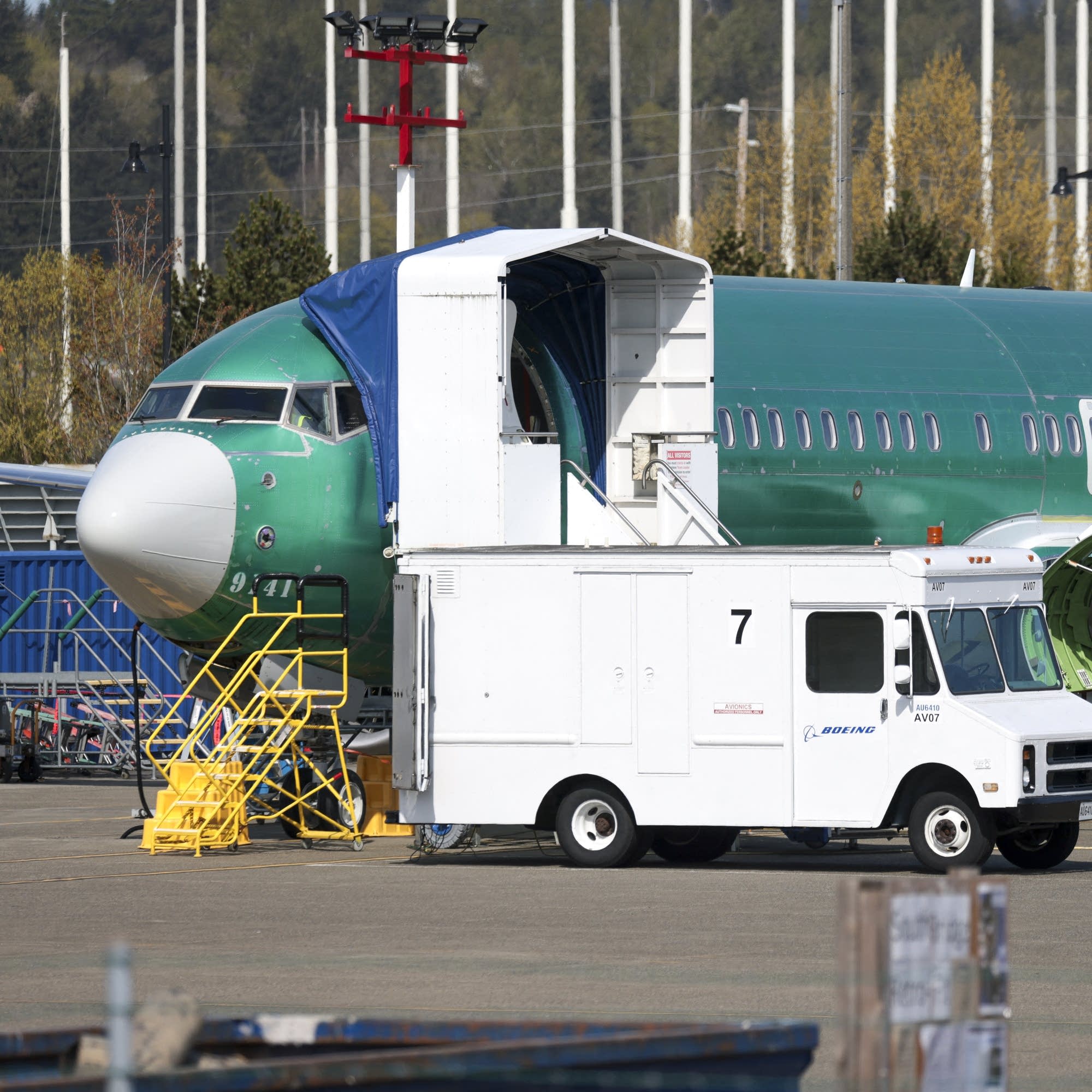
- Boeing reported a 14% revenue increase and outperformed Airbus for the first time since 2019.
- Scott Hamilton, an aviation consultant, attributes Boeing's struggles to a 1990s merger that compromised quality.
- Key factors in its recovery include ramped-up production of the 737 Max and FAA certifications for new models expected later this year.
- Despite progress, the company faces new challenges from Middle Eastern conflicts, which could impact future orders and deliveries.
📦 Shipping Disruptions and Tariffs
- The closure of the Strait of Hormuz and blank sailings due to Lunar New Year have disrupted global shipping.
- Weston LaBar, Chief Strategy Officer at Waterfront Logistics, explains how rising fuel costs and unpredictable cycles are reshaping the logistics industry.
- Anticipated tariffs may lead importers to expedite shipments, potentially boosting Q2 volumes but risking bankruptcies if rates remain low.
📈 Prediction Markets and Perpetual Futures
- Kalshi and Polymarket are introducing perpetual futures markets, allowing traders to bet on asset prices without expiration dates.
- Daryl Duffy, Stanford finance professor, notes these derivatives are popular in crypto but raise regulatory concerns due to high leverage risks.
- The Federal Commodity Futures Trading Commission is exploring ways to regulate these markets, aiming to make them safer for U.S. investors.
🚗 Direct-to-Consumer Car Sales
- Tesla’s success in bypassing dealerships has inspired other automakers like Rivian and Scout Motors to adopt direct-to-consumer models.
- Daniel Crane, University of Michigan law professor, explains how this shift challenges century-old dealership laws.
- Critics argue direct sales eliminate price competition, while proponents claim it simplifies the buying process and reduces costs.
🏠 The Self-Storage Boom
- Despite larger homes, Americans are increasingly renting self-storage units, driven by emotional attachment to possessions.
- Fred Bernstein, who spent $100,000 on storage over 30 years, describes the industry’s design to discourage decluttering.
- Cities are pushing back against storage facilities in residential and commercial areas due to their unattractive and lifeless presence.
AI-generated content may not be accurate or complete and should not be relied upon as a sole source of truth.
📋 Episode Description
Boeing posted strong Q1 earnings Wednesday, and executives breathed a sigh of relief. The aircraft manufacturer survived several years of significant tumult, which included labor disputes, plane malfunctions, a production backlog, and shifting FAA restrictions. In this episode, how Boeing managed a comeback. Plus: Prediction markets Kalshi and Polymarket will start offering perpetual futures, carmakers push to follow Tesla’s direct-to-consumer sales model, and tariffs disrupt regular shipping cycles.
Every story has an economic angle. Want some in your inbox? Subscribe to our daily or weekly newsletter.
Marketplace is more than a radio show. Check out our original reporting and financial literacy content at marketplace.org — and consider making an investment in our future.