

🤖 AI Summary
Overview
This episode explores the prolonged impact of military actions in Iran on global oil markets, the challenges of stabilizing oil supply, and the ripple effects on gas prices. It also delves into the evolving dynamics of restaurant ownership, corporate involvement in water conservation, and the restrained response of U.S. oil producers to high prices.
Notable Quotes
- It's very unlikely that the price of crude drops below $80 a barrel at any point in 2026.
– Gregory Brew, on the long-term effects of the Iran conflict on oil prices.
- We have a large graveyard of bankruptcies that are a result of chasing higher prices with more activity.
– Garrett Golding, on why U.S. oil producers are cautious about ramping up drilling.
- Instead of people pointing fingers, companies can say, 'We've been a partner here for 10 years, helping Arizona do more with less water.'
– Todd Reeve, on corporate motivations for investing in water conservation.
🛢️ The Impact of Military Actions on Oil Markets
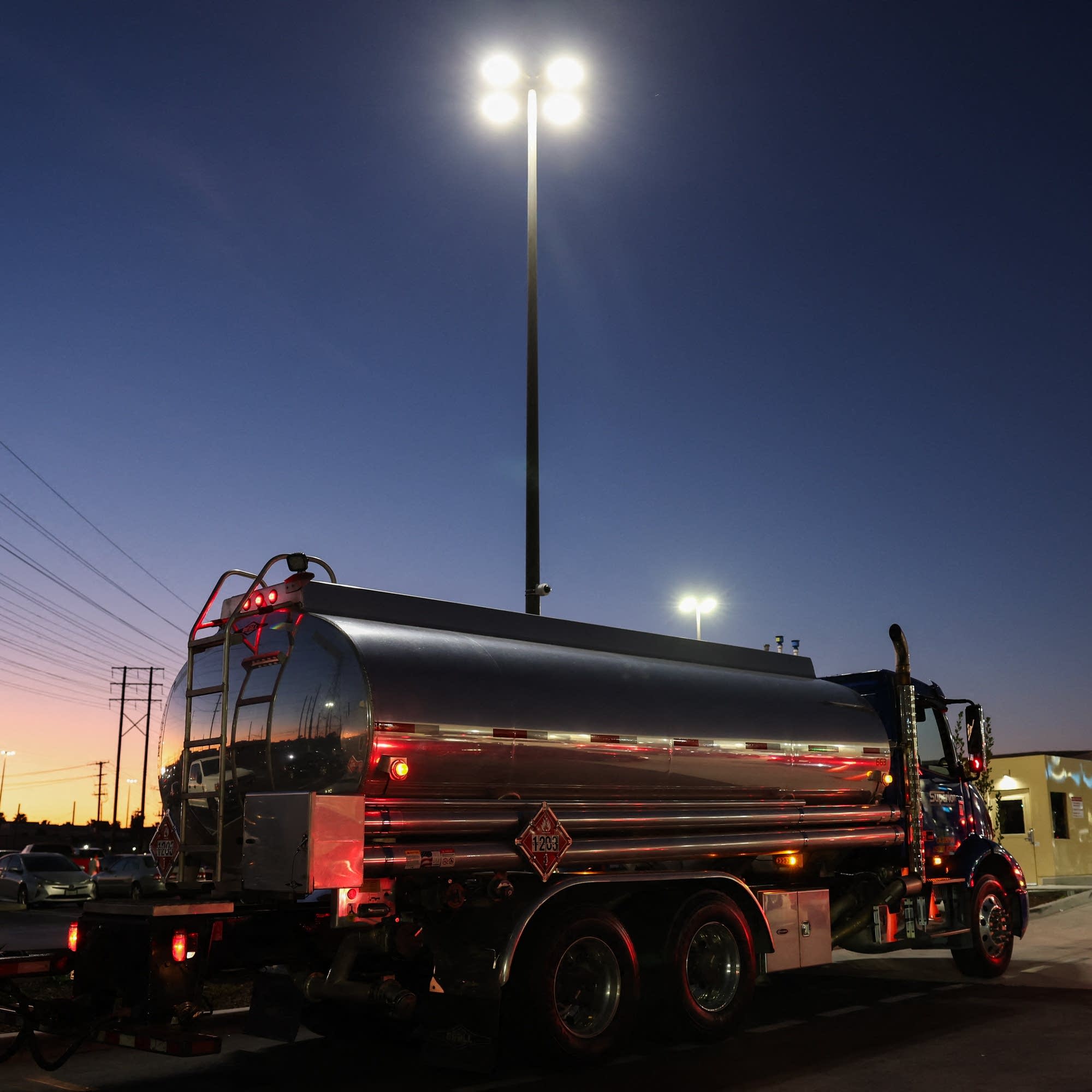
- The closure of the Strait of Hormuz by Iran has disrupted global oil supply chains, with experts predicting months of recovery even after military actions cease.
- Refinery and pipeline damages, along with production shut-ins, mean oil production won't return to pre-war levels until at least May.
- Prices are expected to remain elevated, with crude unlikely to drop below $80 per barrel in 2026 due to physical disruptions and ongoing geopolitical risks.
- Gas prices in the U.S. are projected to stay above $3 per gallon through the year, exacerbated by depleted inventories and slow recovery timelines.
⛏️ Why U.S. Oil Producers Are Hesitant to Drill
- Despite high oil prices, only 21% of oil executives in Texas and surrounding states plan to significantly increase drilling this year.
- Experts like Mark Finley explain that ramping up production requires months of preparation, including permits, rigs, and crews.
- Producers have become more disciplined, avoiding the aggressive drilling that led to bankruptcies during past price spikes.
- Even if drilling increases, the additional output would be minimal compared to the scale of current disruptions.
🌊 Corporate Investments in Water Conservation
- Companies like Procter & Gamble and Google are funding water-saving technologies in the Colorado River basin, helping communities like the Gila River Indian Community reduce usage.
- Corporate motivations include mitigating business risks from water shortages and improving public perception amid worsening drought conditions.
- Federal funding for water infrastructure has declined, creating opportunities for private sector involvement to fill critical gaps.
- Conservation projects, such as improved irrigation systems, are being supported by a mix of corporate and federal funds.
🍴 The Rise of Restaurant Groups
- Restaurant groups, like Hungry Trio and Geronimo Hospitality Group, are growing by leveraging economies of scale to manage rising costs in labor, ingredients, and real estate.
- These groups create unique dining experiences while benefiting from centralized purchasing, design, and staffing strategies.
- Critics argue that the proliferation of restaurant groups can lead to homogenized dining options, but they also provide consistency and reliability for budget-conscious consumers.
- Smaller groups aim to launch new concepts annually, blending the feel of independent restaurants with the efficiency of larger operations.
📈 Tariffs and Their Economic Ripple Effects
- The volatility of tariff policies under President Trump has created uncertainty for businesses and consumers, with rates changing over 50 times in the past year.
- While initial projections anticipated significant inflationary impacts, actual price increases have been lower due to pauses and negotiations.
- Analysts like Natasha Surin warn that long-term tariff regimes will likely lead to greater price pass-throughs and adjustments by importers.
- Internationally, the U.S.'s erratic trade policies have strained relationships with allies, pushing them closer to China and reshaping global economic dynamics.
AI-generated content may not be accurate or complete and should not be relied upon as a sole source of truth.
📋 Episode Description
President Trump said last night that military attacks on Iran will end in two or three weeks. But the effect on the global oil market will last much longer. In this episode, what it will take to stabilize oil supply and reserves — and how long gas prices will stay high. Plus: Hospitality groups make up a growing share of restaurant ownership, high oil prices haven’t pushed Permian Basin rigs to “drill, baby, drill,” and corporations take small steps to save the Colorado River basin.
Every story has an economic angle. Want some in your inbox? Subscribe to our daily or weekly newsletter.
Marketplace is more than a radio show. Check out our original reporting and financial literacy content at marketplace.org — and consider making an investment in our future.