

🤖 AI Summary
Overview
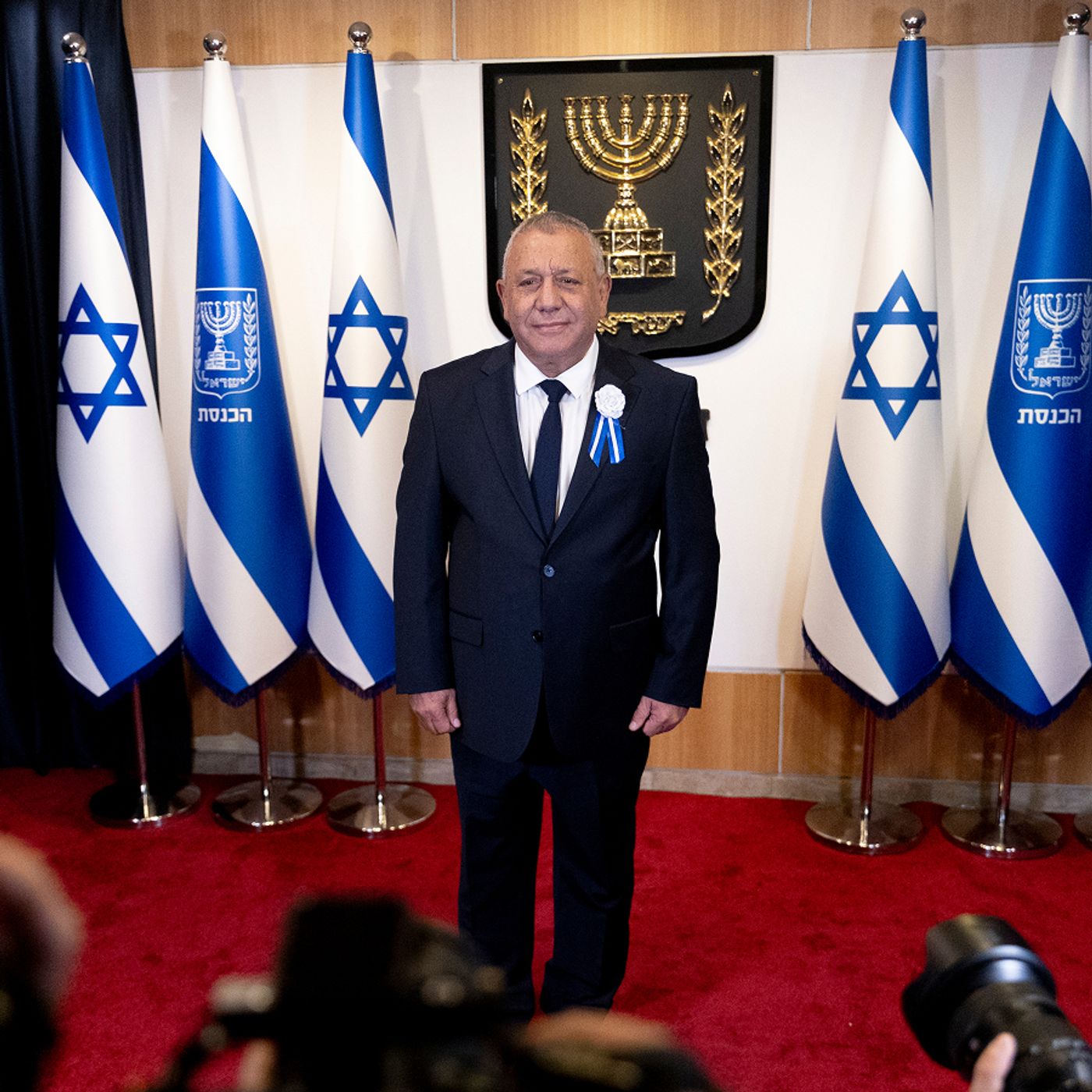
This episode delves into the political uncertainty in Israel following a pivotal election. Opposition leader Gadi Eisenkot faces the monumental task of forming a coalition government to unseat long-serving Prime Minister Benjamin Netanyahu. The discussion explores the challenges of coalition-building, the compromises required, and the broader implications for Israeli democracy.
Notable Quotes
- Imagine herding lions or tigers. That’s what we’re talking about.
– David Halbfinger, on the difficulty of uniting ideologically and ethnically diverse political parties.
- The clock is Netanyahu’s friend here.
– David Halbfinger, on how Netanyahu benefits from delays in coalition formation.
- What happens when Arab citizens get 19 seats and could make a government, but the government doesn’t form because they’re afraid to?
– David Halbfinger, on the implications for Israel’s democracy if Arab parties are excluded.
🗳️ The Challenge of Coalition-Building
- Gadi Eisenkot must secure a 61-seat majority in the 120-seat Knesset to form a government. His current coalition holds only 48 seats.
- Potential coalition partners include ultra-Orthodox parties and Arab parties, both of which present significant ideological and political challenges.
- Eisenkot’s campaign promises, such as mandatory military or civilian service for all Israelis, complicate negotiations with ultra-Orthodox parties, who demand exemptions for their community.
- Partnering with Netanyahu to form a unity government is seen as a betrayal of Eisenkot’s campaign and is unlikely due to deep mistrust of Netanyahu’s past actions.
🕒 Netanyahu’s Strategic Advantage
- If Eisenkot fails to form a government within six weeks, Netanyahu will have another opportunity to do so.
- As the caretaker prime minister, Netanyahu benefits from the status quo, which strengthens his position in the event of another election.
- Delays in coalition talks could play into Netanyahu’s hands, as he has historically been adept at political maneuvering.
🕍 The Ultra-Orthodox Dilemma
- Ultra-Orthodox parties demand exemptions from military service and continued government subsidies for their communities, which Eisenkot has vowed to reform.
- Despite his personal commitment to universal service, Eisenkot has left some room for compromise, such as phased reforms and limited exemptions.
- Negotiating with ultra-Orthodox parties is risky, as they could return to Netanyahu if he offers better terms.
🌍 The Role of Arab Parties
- Arab citizens make up 20% of Israel’s population but have historically been underrepresented in government.
- The Islamist party Ra’am, led by Mansour Abbas, has shown willingness to join a coalition, but other Arab parties remain more oppositional.
- Eisenkot’s coalition partners, particularly Avigdor Lieberman’s Yisrael Beiteinu party, strongly oppose working with Arab parties, citing concerns over national security and divided loyalties.
- Excluding Arab parties from the government raises questions about the inclusivity of Israeli democracy, especially given their record 19 seats in this election.
⚖️ The Stakes for Israeli Democracy
- The episode highlights the broader implications of the coalition-building process for Israel’s identity as a democratic state.
- Excluding Arab parties could reinforce accusations of systemic discrimination and undermine Israel’s claim to being a democracy that represents all its citizens.
- Eisenkot’s decisions will shape not only the next government but also the future of Israeli society and its democratic principles.
AI-generated content may not be accurate or complete and should not be relied upon as a sole source of truth.
📋 Episode Description
More than two weeks after one of the most consequential elections in Israel’s history, there is still uncertainty about who will lead the country.
The spotlight has fallen on the opposition leader Gadi Eisenkot, who is trying to make all kinds of deals to build a coalition that could run the government.
David Halbfinger, The New York Times’s Jerusalem bureau chief, explains the compromises that Mr. Eisenkot will need to make, and what will happen if he can’t.
Guest: David M. Halbfinger, the Jerusalem bureau chief for The New York Times.
Background reading:
- Who is Gadi Eisenkot, the Israeli tasked with forming a government?
- Here’s how Mr. Eisenkot is seeking to oust Prime Minister Benjamin Netanyahu.
Photo: Amir Levy/Getty Images
For more information on today’s episode, visit nytimes.com/thedaily. Transcripts of each episode will be made available by the next workday.
Subscribe today at nytimes.com/podcasts or on Apple Podcasts, Spotify and Amazon Music. You can also subscribe via your favorite podcast app here https://www.nytimes.com/activate-access/audio?source=podcatcher. For more podcasts and narrated articles, download The New York Times app at nytimes.com/app.
Hosted by Simplecast, an AdsWizz company. See pcm.adswizz.com for information about our collection and use of personal data for advertising.