

🤖 AI Summary
Overview
This episode explores a range of economic stories, from Nvidia's ambitious revenue forecast and rising retail inventories to the NFL's turf-versus-grass debate. It also delves into the economic implications of AI replacing human labor and the challenges faced by small businesses navigating tariffs and rising costs.
Notable Quotes
- If you make a statement like we expect 70% growth and you don't achieve it, you could get sued.
– Amy Hutton, on the risks of overpromising in corporate forecasts.
- Employers pay the government extra taxes for the privilege of employing people. You don’t have to pay AI for starters.
– Ryan Abbott, on the structural tax advantages of AI over human workers.
- If you want us to beat up our bodies for another game in another week, then you better do it on grass as opposed to artificial turf.
– Nellie Drew, on potential NFL player demands in future labor negotiations.
🌐 Nvidia’s Bold Revenue Forecast
- Nvidia announced a 70% revenue growth forecast for the next year, far surpassing analysts' expectations of 44%.
- Philip Stocken of Dartmouth emphasized the importance of such forecasts for investors but cautioned that they often carry an upward bias.
- Amy Hutton from Boston College highlighted the legal and reputational risks of failing to meet such ambitious projections, noting that companies often underpromise to exceed expectations later.
📦 Retail Inventories and Economic Signals
- Retail inventories surged by 1.3% in July after months of slow growth, signaling a shift in business confidence.
- Michael Pierce of Oxford Economics attributed this to businesses adapting to prolonged policy uncertainties, including tariffs and geopolitical tensions.
- Inventory growth was particularly strong in sectors like AI-related machinery and data centers, according to Jason Miller of Michigan State.
🏈 NFL Turf vs. Grass Debate
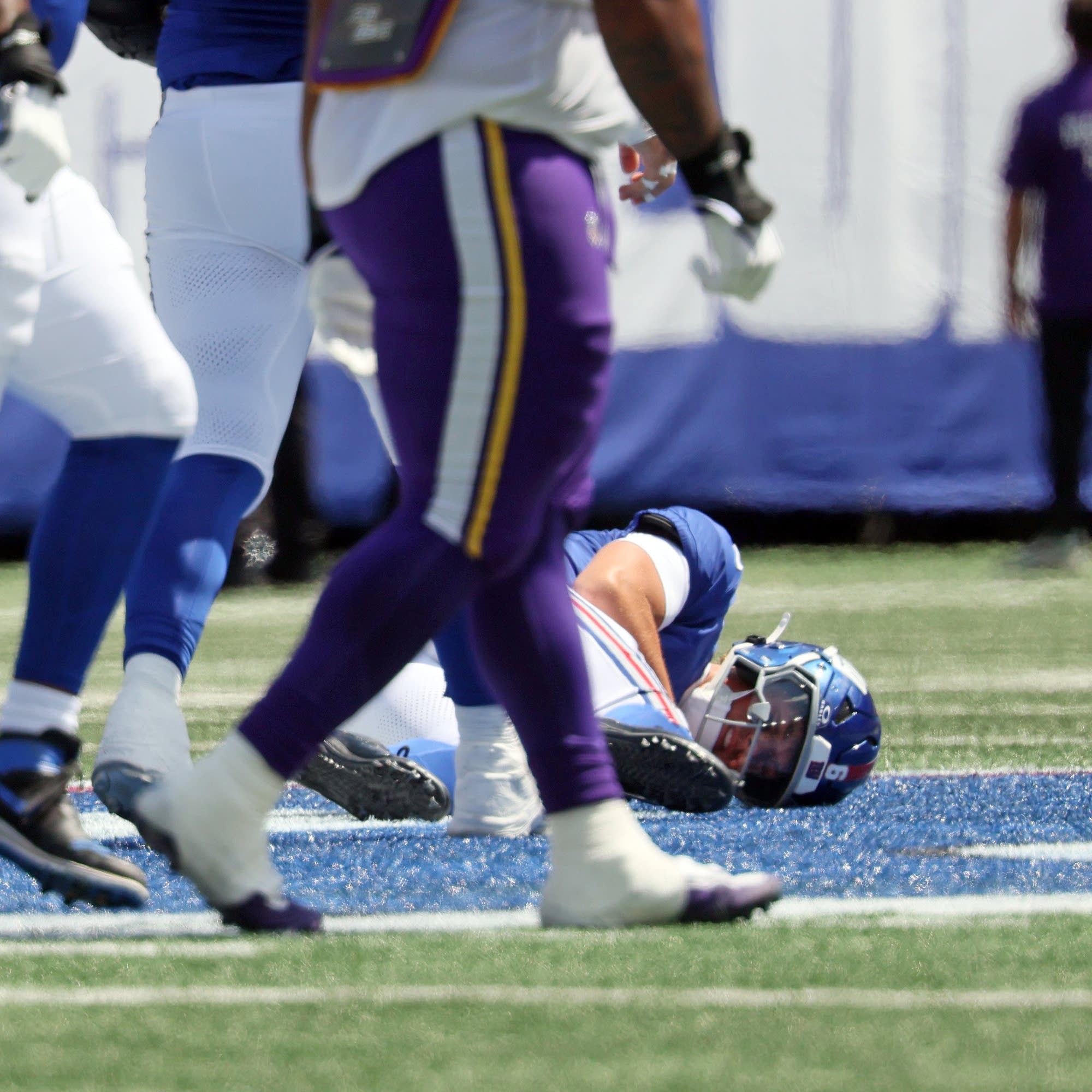
- NFL players overwhelmingly prefer natural grass due to lower injury risks, as shown by a 2024 NFL Players Association poll.
- Stadiums often revert to artificial turf for cost and logistical reasons, such as hosting concerts and other events.
- The players union may push for league-wide grass adoption in the next collective bargaining agreement, potentially trading concessions like an 18th game for safer playing surfaces.
🤖 AI’s Economic Edge and Tax Debate
- AI adoption is incentivized by structural tax advantages, as employers avoid payroll taxes associated with human workers.
- Ryan Abbott proposed leveling the playing field by reducing payroll taxes on humans or introducing a robot tax
to offset social costs like job disruption.
- Nobel laureate Joseph Stieglitz suggested taxing automation to fund retraining programs, balancing economic efficiency with social equity.
🛍️ Small Business Challenges Amid Tariffs and Rising Costs
- Specialty food importer Ann Robinson shared how tariffs, rising shipping costs, and currency fluctuations are squeezing margins.
- To mitigate costs, she has aggressively sought savings on supplies like ice packs and box liners.
- Despite these challenges, Robinson remains optimistic about the niche market for Scottish goods but acknowledges the difficulty of sustaining profitability in the current economic climate.
AI-generated content may not be accurate or complete and should not be relied upon as a sole source of truth.
📋 Episode Description
The NFL is back in a couple weeks, and so is artificial turf. Several NFL stadiums rolled out the green carpet this summer for World Cup matches, which are mandated to be played on grass. For the 92% of NFL players who prefer the real stuff, it’s proof-of-concept — and could become a players union bargaining objective come 2030. Also in this episode: Nvidia announces eye-popping long-term revenue expectations, retail inventories tick up, and we weigh a tax on robot labor.
Every story has an economic angle. Want some in your inbox? Subscribe to our daily or weekly newsletter.
Marketplace is more than a radio show. Check out our original reporting and financial literacy content at marketplace.org — and consider making an investment in our future.
Read the stories in today’s episode:
- America's shelves are filling up
- Nvidia expects revenue to grow by 70% over the next year
- Football is back. So is the turf — and players aren't happy
- Could an AI tax disincentivize human layoffs?
- For specialty food importer, tariffs are still front and center
- For three generations, this family has kept up business along Route 66