
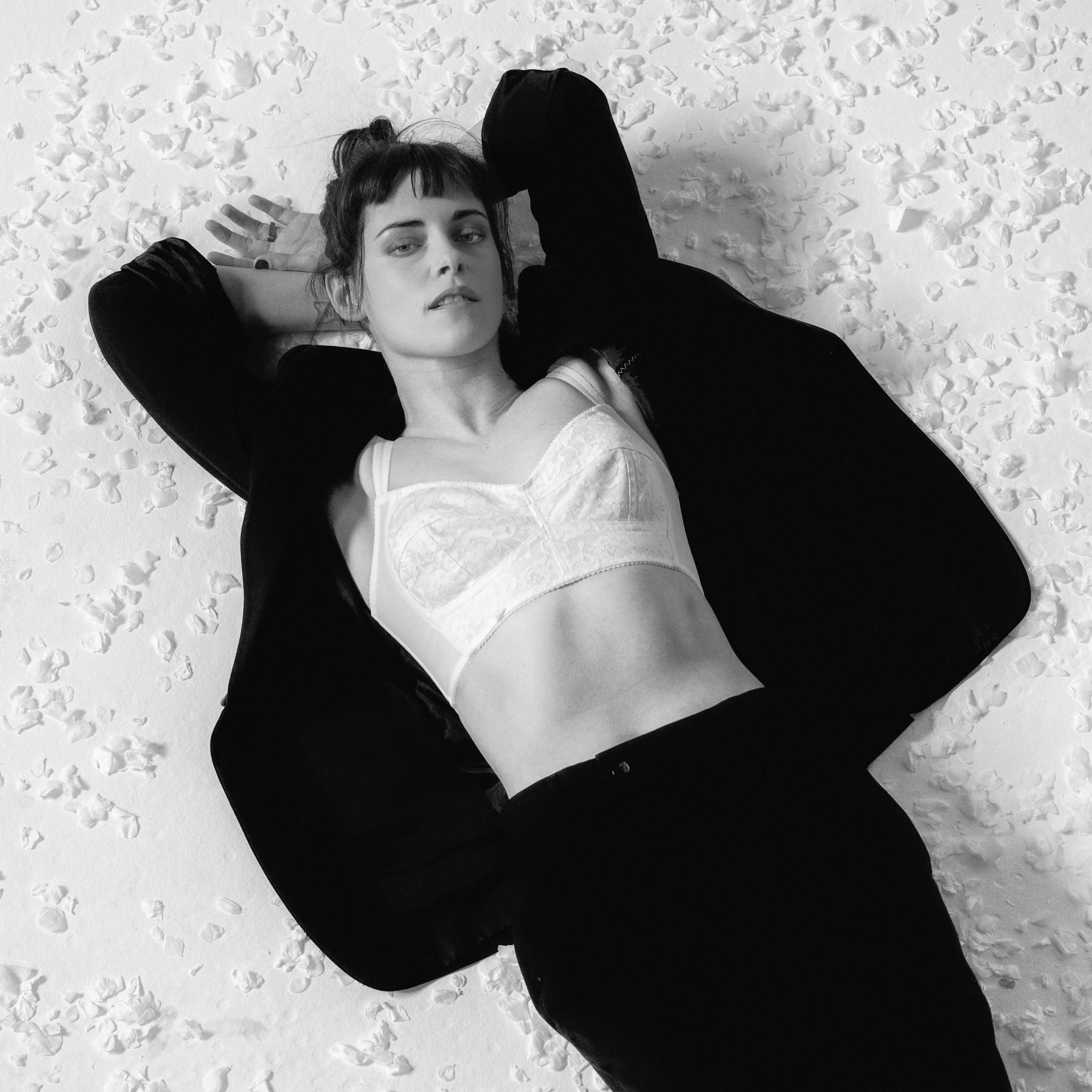
'The Interview': Kristen Stewart Wants to Show Us a Different Kind of Sex

🤖 AI Summary
Overview
Kristen Stewart discusses her directorial debut, The Chronology of Water, an adaptation of Lydia Yuknavitch's memoir. The conversation explores themes of womanhood, artistic independence, vulnerability in performance, and the challenges of filmmaking within a capitalist system. Stewart also reflects on her career trajectory, societal expectations, and the portrayal of sex in art.
Notable Quotes
- I wanted to make something tired, pathetic, and messy that felt exuberant and achieved and, you know, encouraging.
– Kristen Stewart, on her vision for The Chronology of Water.
- We need a full system break... the system has barred people and made it too difficult to be honest.
– Kristen Stewart, on the barriers to artistic expression in the film industry.
- "I never really again want to stand in a room and watch two people *****." – Kristen Stewart, on her desire for more nuanced portrayals of sex in art.
🎥 The Chronology of Water and Its Themes
- Stewart explains her decade-long journey to adapt Lydia Yuknavitch's memoir, emphasizing its focus on selfhood, trauma, and the reclamation of personal narratives.
- She highlights the societal criticism women face for expressing their experiences, particularly through diaristic writing, and her aim to celebrate this messy
yet empowering process.
- The film challenges viewers to engage with universal themes of womanhood and vulnerability, rather than focusing solely on Yuknavitch's specific experiences.
💰 The Challenges of Independent Filmmaking
- Stewart shares the difficulties of financing The Chronology of Water, citing its unconventional structure and themes as barriers in a profit-driven industry.
- She critiques the committee process
of studio filmmaking, describing it as demoralizing and often misogynistic.
- Advocates for a more accessible, less capitalist approach to filmmaking, envisioning a system that supports marginalized voices and artistic integrity.
🎭 Vulnerability and Gender in Performance
- Stewart reflects on the inherent vulnerability of acting and contrasts societal perceptions of male and female performers.
- She critiques the aggrandizement of male actors who retain control and selfhood, while women are often dismissed as crazy
for similar behaviors.
- Discusses the gendered dynamics of generosity and giving in performance, emphasizing the need for safe environments to foster authentic vulnerability.
🍿 Rethinking Sex in Art
- Stewart expresses frustration with the performative nature of sex scenes, particularly those catering to external titillation rather than authentic experiences.
- She advocates for depictions of sex that reflect slower, more nuanced emotional and physical connections, aligning with her broader artistic vision.
- Highlights the influence of experimental filmmaker Barbara Hammer and her work Multiple Orgasm, which inspired elements of Stewart's own film.
🛠 Breaking the System
- Stewart calls for a radical overhaul of the entertainment industry, criticizing its capitalist barriers and exclusionary practices.
- She envisions a future where storytelling is more accessible, inclusive, and free from the constraints of proven formulas.
- Advocates for creating art that prioritizes authenticity and connection over commercial success, even suggesting making films for nothing
to challenge the status quo.
AI-generated content may not be accurate or complete and should not be relied upon as a sole source of truth.
📋 Episode Description
The actress and director says the world of filmmaking needs a “full system break.”
- Thoughts? Email us at [email protected]
- Watch our show on YouTube: youtube.com/@TheInterviewPodcast
- For transcripts and more, visit: nytimes.com/theinterview
Subscribe today at nytimes.com/podcasts or on Apple Podcasts and Spotify. You can also subscribe via your favorite podcast app here https://www.nytimes.com/activate-access/audio?source=podcatcher. For more podcasts and narrated articles, download The New York Times app at nytimes.com/app.