

🤖 AI Summary
Overview
This episode delves into the escalating tensions between the U.S. and the EU over proposed tariffs tied to President Trump's Greenland ambitions, explores the housing affordability crisis and the limitations of recent policy proposals, examines the evolving nature of children's allowances in the digital age, and takes a retrospective look at the history of economic jargon.
Notable Quotes
- The U.S.'s credibility on trade with Europe is pretty shot.
– Ethan Strubbe, on the impact of unpredictable trade policies.
- Allowances are really a way for parents to work through their own anxieties about their kids' future.
– Michael Waters, on the evolving purpose of allowances.
- We create vocabulary... to define what we do as economics.
– Matthias Vernengo, on the role of language in shaping economic thought.
🌍 U.S.-EU Trade Tensions
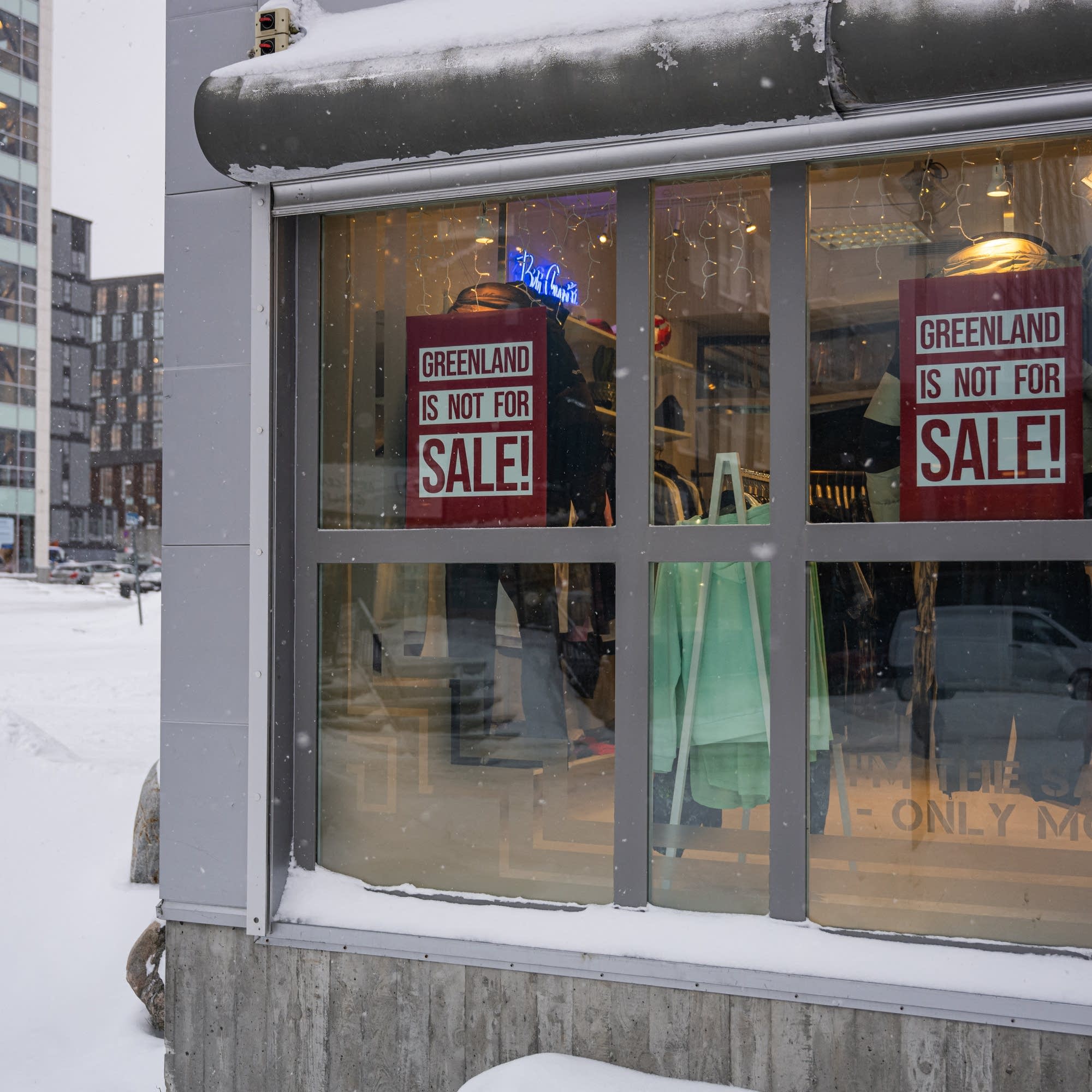
- President Trump announced new tariffs on Denmark and other EU countries to pressure a deal for acquiring Greenland.
- Emily Blanchard likened U.S.-EU trade relations to sibling disputes, but warned the new tariffs could end the current cool détente.
- The EU's anti-coercion instrument,
described by Jurai Maitin, could retaliate with tariffs or restrictions on U.S. tech companies like Meta and Google.
- Economists like Ethan Strubbe highlighted the damage to U.S. credibility and the need for predictable trade rules.
🏠 Housing Affordability Crisis
- President Trump's proposals, including 50-year mortgages and penalty-free 401(k) withdrawals for home purchases, were criticized for potentially increasing demand without addressing supply issues.
- Experts like Chris Salviati and Jenny Schutz emphasized the root problem: insufficient housing supply due to local zoning restrictions.
- Vanessa Perry suggested easing zoning laws to allow higher-density housing, but Lisa Sturdivant noted public resistance to such changes.
💳 The Digital Evolution of Allowances
- Allowances are increasingly managed through apps like Greenlight, offering features like investment funds, mock loans, and financial literacy games.
- Michael Waters traced the history of allowances to the 1910s, when they emerged as a tool to teach children financial responsibility.
- Class disparities shape how allowances are used: wealthier families simulate financial limits, while working-class families often use allowances as practical budgeting tools.
- Research remains inconclusive on whether allowances improve long-term financial literacy.
📚 The History of Economic Jargon
- Economic language has evolved over centuries, from Adam Smith's natural prices
to neoclassical terms like scarcity
and utility.
- The Great Depression introduced key metrics like GDP and investment spending, while economists like Ragnar Frisch coined terms like macroeconomics.
- Matthias Vernengo discussed efforts to decolonize
economic language by incorporating global perspectives into modern dictionaries.
👩💼 Ghost Jobs and Job Market Frustrations
- Job seekers report being ghosted
by employers, with some postings being misleading or never intended to be filled.
- Proposed legislation, like the Truth in Job Advertising Act, aims to enforce transparency in job postings.
- Career experts warn that ghost jobs may distort labor market data, impacting policy decisions.
- In Ontario, new laws require employers to update candidates on job status within 45 days, though enforcement challenges remain.
AI-generated content may not be accurate or complete and should not be relied upon as a sole source of truth.
📋 Episode Description
President Trump has announced new tariffs on European Union countries, aimed at forcing a deal for the U.S. to acquire Greenland. But the EU could respond relatively quickly, with sanctions of their own. In this episode, the EU’s “bazooka” option. Plus: Trump’s recent housing proposals won’t fix the fundemental issue driving housing affordability, technology has changed how parents dole out kids’ allowance, and we explain the history of economic jargon.
Every story has an economic angle. Want some in your inbox? Subscribe to our daily or weekly newsletter.
Marketplace is more than a radio show. Check out our original reporting and financial literacy content at marketplace.org — and consider making an investment in our future.