

🤖 AI Summary
Overview
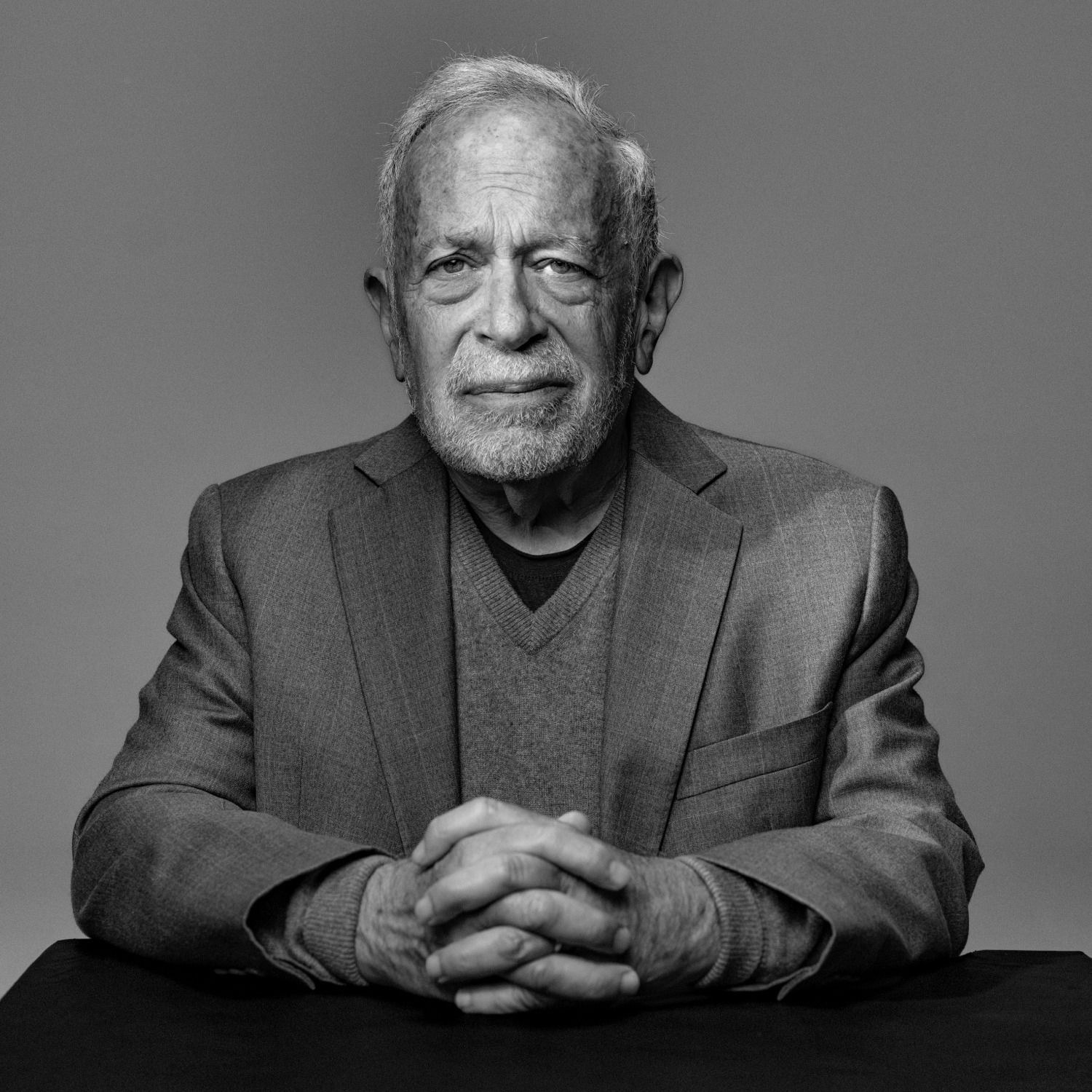
Robert Reich, former U.S. Labor Secretary and prominent voice on economic inequality, reflects on the failures of the baby boomer generation, the rise of populist demagogues, and the corrosive effects of inequality on democracy. He discusses his personal experiences with bullying, his critiques of corporate influence in politics, and the need for progressive leadership to address systemic inequities.
Notable Quotes
- The idea that the American dream is still alive is, for most people, a sham. They understand that hard work and obeying all of the rules is not going to get them much.
— Robert Reich, on the erosion of economic mobility.
- Where is the center between democracy and dictatorship? There is no center.
— Robert Reich, challenging conventional political labels.
- Why aren't all Democrats progressive Democrats? Who in the world needs corporate Democrats when you have a Republican Party that is pretty good at representing big corporations?
— Robert Reich, critiquing divisions within the Democratic Party.
🧓 Generational Reckoning: Baby Boomers and Inequality
- Reich argues that the baby boomer generation failed to build on the prosperity and democratic foundations inherited from their parents, leading to the rise of figures like Donald Trump.
- He acknowledges the generation’s contributions to social movements but emphasizes their neglect of economic inequality and unchecked corporate power.
- Reich views Trump as a symptom, not the cause, of systemic failures, including the erosion of the middle class and growing public distrust in institutions.
💰 Economic Inequality and Its Ripple Effects
- Reich highlights the multifaceted nature of inequality, including disparities in education, race, class, and citizenship.
- He connects economic inequality to the rise of economic bullying,
where corporations and elites exploit vulnerable populations.
- The concentration of wealth and power, he argues, has undermined democracy and created fertile ground for populist demagogues.
👊 Bullying as a Societal and Personal Lens
- Reich shares his childhood experiences of being bullied due to his height, which shaped his lifelong focus on power dynamics and inequality.
- He recounts how the kindness of a protector, civil rights worker Michael Schwerner, influenced his worldview, especially after Schwerner’s murder by the Ku Klux Klan.
- Reich sees bullying as a metaphor for systemic exploitation, from workplace abuses to racial and gender inequalities.
🌐 The Democratic Party’s Identity Crisis
- Reich critiques corporate Democrats
for aligning with wealthy donors and failing to address the needs of working-class Americans.
- He praises progressive leaders like Bernie Sanders and Alexandria Ocasio-Cortez for their focus on economic justice but warns that their appeal must extend beyond urban and educated demographics.
- He calls for Democrats to confront monopolistic practices and anti-labor policies to authentically connect with struggling Americans.
🎓 Academia, Culture, and Inequality
- Reich reflects on his teaching career, emphasizing the importance of exposing students to opposing viewpoints to foster critical thinking.
- He critiques cultural snobbery in higher education, which he sees as alienating non-college-educated Americans.
- Reich advocates for reducing reliance on four-year degrees as the sole pathway to middle-class stability, citing his son’s success outside traditional education.
AI-generated content may not be accurate or complete and should not be relied upon as a sole source of truth.
📋 Episode Description
The former U.S. Labor Secretary on how complacency and corporate ties created a “bully in chief.”Unlock full access to New York Times podcasts and explore everything
from politics to pop culture. Subscribe today at nytimes.com/podcasts or
on Apple Podcasts and Spotify.