

🤖 AI Summary
Overview
This episode explores the cooling housing market and its implications for buyers and sellers, the evolving role of cash and digital payment methods among younger generations, the dynamics of auto sales in 2025, and a unique educational initiative funded by the Mexican government to support immigrants in the U.S.
Notable Quotes
- For younger generations, cash might as well be monopoly money.
– Amanda Hoover, on Gen Z's changing relationship with cash.
- Buyers simply can't afford these price levels, particularly given high mortgage rates. So there's kind of a buyer strike in many markets.
– Susan Wachter, on the stagnation in housing markets.
- Are people securitizing their burritos?
– Telles Demos, humorously addressing concerns about buy-now-pay-later trends.
🏠 Cooling Housing Market
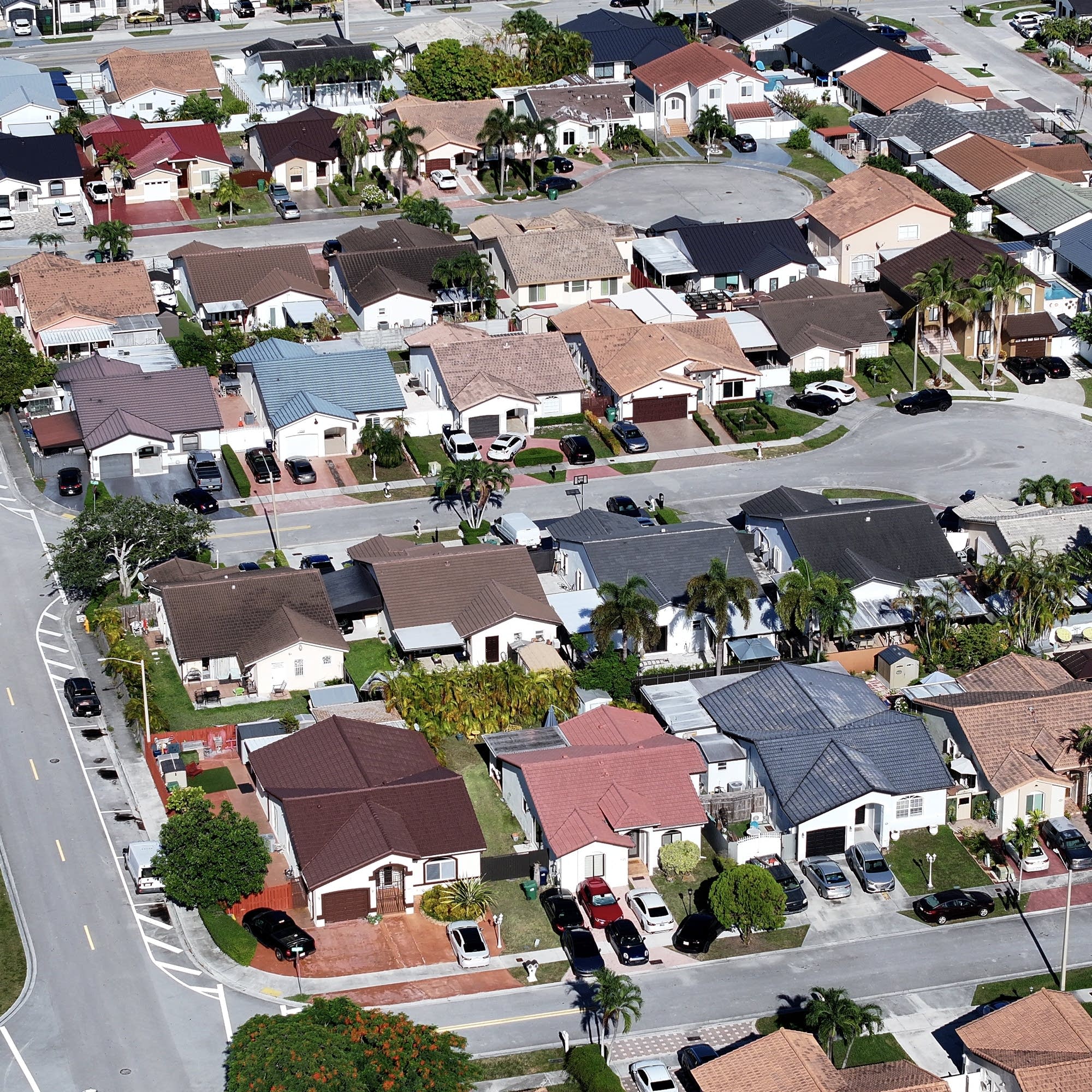
- The S&P Case-Shiller Home Price Index shows a national slowdown in home price growth, with a modest 1.4% year-over-year increase. Adjusted for inflation, real prices are down.
- Regional disparities: The Northeast and Midwest see healthy price appreciation, while the Sun Belt experiences price declines, creating opportunities for buyers.
- High mortgage rates and unaffordable prices have led to a buyer strike
in many markets, while sellers pull homes off the market due to unmet price expectations.
- Economic uncertainty, particularly in labor markets, adds to buyer hesitation.
💳 The Decline of Cash and Rise of Digital Payments
- Cash now accounts for just 14% of all payments, with digital wallets gaining popularity. Around 20% of users no longer carry physical wallets.
- Gen Z views cash as fake money,
often spending it thoughtlessly on small treats. This contrasts with older budgeting advice to use cash for mindful spending.
- Buy-now-pay-later services are influencing spending habits, leading to higher purchase amounts and potential budgeting challenges.
🚗 Auto Sales in 2025
- The auto industry is on track for its best sales year since 2019, with over 16 million new vehicles sold.
- Policy changes, such as tariffs and the end of EV tax credits, spurred temporary surges in sales.
- The market is becoming more polarized, with wealthier consumers buying expensive new cars while lower-income buyers turn to used vehicles. Automakers appear content with high prices and limited affordable options.
📚 Mexican Government-Funded Education Programs
- The Plazas Comunitarias program, funded by the Mexican government, offers GED prep, English classes, and proof of educational attainment for Mexican immigrants in the U.S.
- Programs like these aim to close the education gap, improve job prospects, and sustain remittances sent back to Mexico, which are vital for many families.
- In El Paso, the program integrates education with community activities, such as soccer, to engage families and provide second chances for adult learners.
📈 Private Credit and Consumer Borrowing Trends
- Private credit, including buy-now-pay-later loans, is expanding into consumer lending, raising questions about its impact on borrowing habits.
- While some worry about overuse of these products, data suggests consumers are less leveraged than during past economic peaks.
- The evolving credit landscape complicates traditional measures of consumer health, requiring new approaches to understanding economic trends.
AI-generated content may not be accurate or complete and should not be relied upon as a sole source of truth.
📋 Episode Description
Home price growth is cooling, new reports show. Though homeowners may be struggling to sell at asking price, it is good news for prospective buyers. Especially those who’ve been waiting on the sidelines for a good deal. But, as with most housing issues, the slowdown is regional. Also in this episode: Auto sales were strong in 2025, Gen Zers see cash in a new light, and an unlikely government funds a U.S.-based GED program for Mexican immigrants.
Every story has an economic angle. Want some in your inbox? Subscribe to our daily or weekly newsletter.
Marketplace is more than a radio show. Check out our original reporting and financial literacy content at marketplace.org — and consider making an investment in our future.